Arts & Entertainment
Lessons to be Learned in Death of Amy Winehouse
The British soul singer died of a suspected drug overdose on Saturday


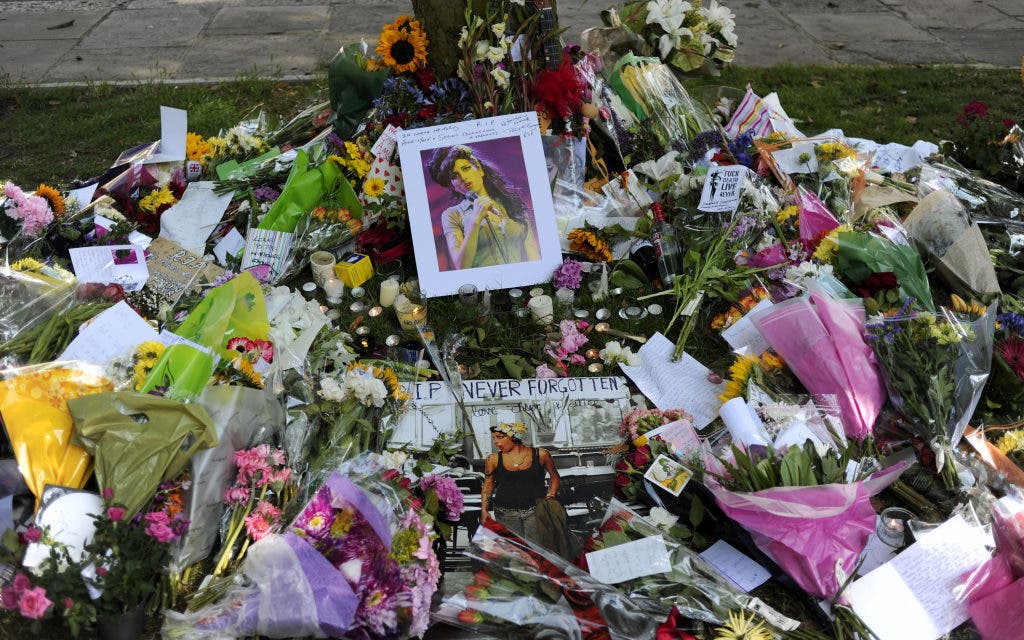
My husband woke me up on Saturday with the sad news.
"Amy Winehouse died," he said. “She’s joined the 27 Club." (Aka, a group of talented singers and musicians who have died at age 27.)
Winehouse was found in her North London home today. I'm ashamed to admit that my first reaction did not include surprise.
Find out what's happening in New Milfordfor free with the latest updates from Patch.
I sort of expected it. Sadly I think we all expected it. Winehouse had battled drug addiction for many years.
And that reminded me of a message so many physicians and clinicians have been repeating for years: Don’t be afraid to step in and help.
Find out what's happening in New Milfordfor free with the latest updates from Patch.
According to information provided by Loma Linda University Medical Center, "In a nationwide survey of people in recovery, 70 percent said they got help because a friend or relative was honest with them about their drinking and other drug use, and 41 percent said they would have sought help sooner if someone had voiced concern."
Winehouse, the soulful singer with the rebellious nature, had a drug problem so obvious, at times it was like watching a train wreck. She seemed to wobble through some performances. She looked painfully thin in many paparazzo shots.
And we all watched. It was the stuff of jokes. Fodder for comedians and tabloids. I’m guilty of making a joke about Winehouse. Others, like her family and friends, watched helplessly.
The truth is no one should be tossed aside like that.
While the exact cause of Winehouse’s death is not known, it’s hard not to assume that addiction contributed. Her death presents us with another opportunity to look at the problem and turn to a loved one who struggles with the same thing.
Addiction kills about 570,000 people each year according to the National Institute on Drug Abuse. That breaks down to about 440,000 from disease related to tobacco, 85,000 due to alcohol, 20,000 due to illicit drugs and 20,000 due to prescription drug abuse according to information provided by the institute.
If you know someone in the grips of addiction, you don’t have to watch helplessly.
“There is still a stigma that addiction is just bad or immoral behavior, and a person is weak if he or she cannot stop or control his or her use,” Loma Linda officials wrote.
"The behavior and social symptoms of addiction can be hurtful to family members, friends or coworkers,” officials said. “Yet it is these same people who may be in the best position to help the addict recognize his or her loss of control and motivate him or her to seek treatment.”
Get more local news delivered straight to your inbox. Sign up for free Patch newsletters and alerts.