Community Corner
6 Capybaras Born At Cape May County Zoo
Marigold gave birth June 18, giving Cape May County Park and Zoo two capybara litters this year.


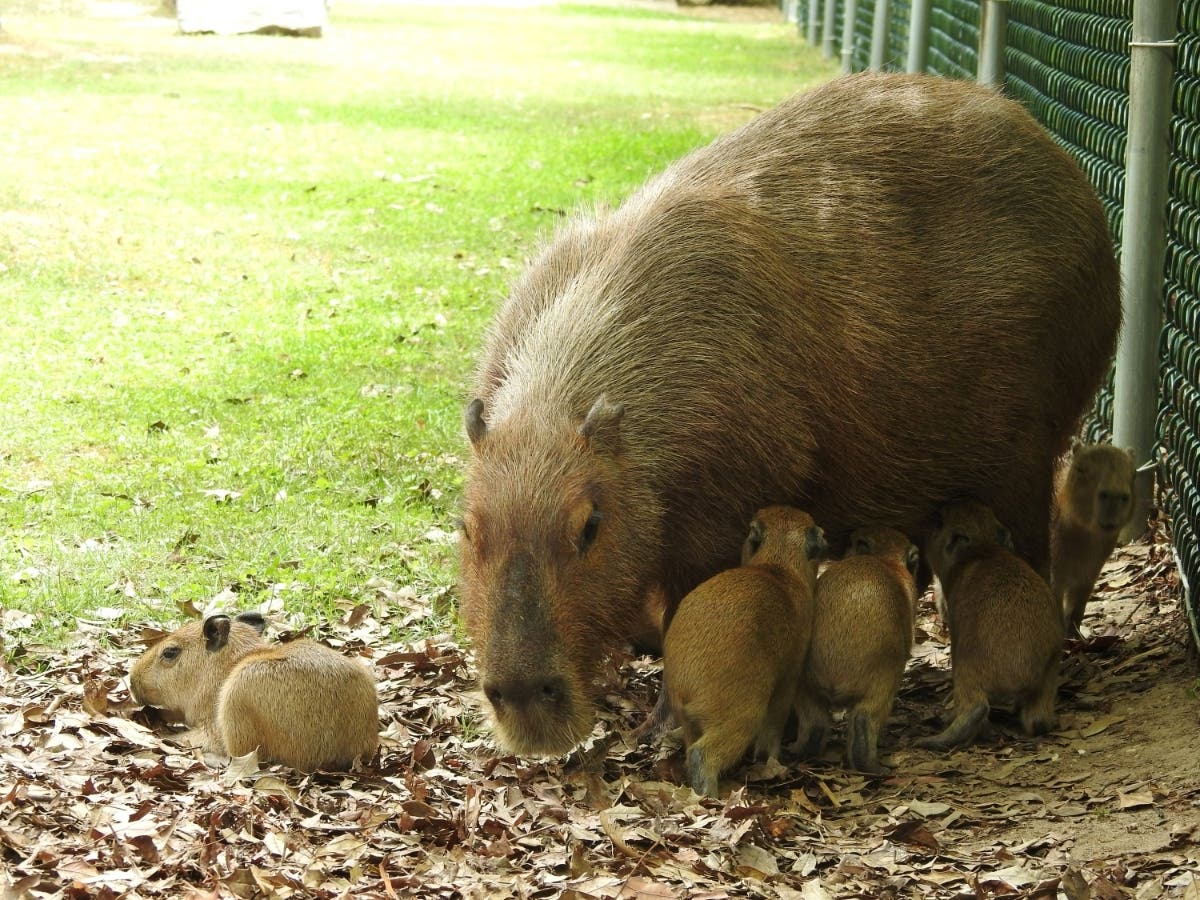
CAPE MAY COURT HOUSE, NJ — Cape May County Park and Zoo has welcomed another litter of capybara pups, with Marigold giving birth to six healthy babies on June 18, according to the zoo.
The birth marks Marigold's second litter and gives the zoo two capybara litters so far this year.
The zoo said the pups are under careful watch from animal keepers and veterinary staff. Earlier this year, Buttercup also gave birth to her second litter of pups, meaning visitors now may see multiple young capybaras during a trip to the habitat.
Find out what's happening in Ocean Cityfor free with the latest updates from Patch.
Marigold and her pups can be seen periodically from the bridge at the capybara habitat, according to the announcement. The zoo said the family will also be taken off habitat at times to give them respite from crowds and weather. Visitors also may spot Marigold's sister, Buttercup, with her two pups, along with pups born last year.
The zoo recommends arriving before 3:30 p.m. because that is typically when keepers bring the mothers and their pups into the building for the night. The Cape May County Parks are open daily from 7 a.m. to dusk, and the zoo is open daily from 10 a.m. to 4:30 p.m., according to the announcement.
Find out what's happening in Ocean Cityfor free with the latest updates from Patch.
“This is a very unique situations to have two litters of capybara pups so close to one another,” said Cape May County Commissioner Vice-Director Andrew Bulakowski, who is also liaison to the Cape May County Park and Zoo. “We know families will enjoy seeing the growing family of pups now and in the future.”
Capybaras are native to South America and are semi-aquatic rodents, according to the zoo. They are the largest members of the rodent family and are found in forested areas near lakes, swamps or rivers. The zoo said capybaras typically weigh between 75 and 150 pounds, with females slightly heavier than males.
The species is highly social and can form large groups, according to the zoo. Pups are up and walking within hours of birth and start eating grass as early as 1 week, though they continue to suckle for about 16 weeks.
More information about hours and visits is available at CMCZoo.com.
Get more local news delivered straight to your inbox. Sign up for free Patch newsletters and alerts.