Politics & Government
Voters Oppose Building NJ Casinos Outside Atlantic City, Stockton Poll Finds
A total of 51 percent oppose the idea, while only 25 percent support it.


More than half of New Jersey voters oppose amending the state constitution allow casinos to be built outside Atlantic City, according to a survey conducted by the Lloyd D. Levenson Institute of Gaming, Hospitality and Tourism.
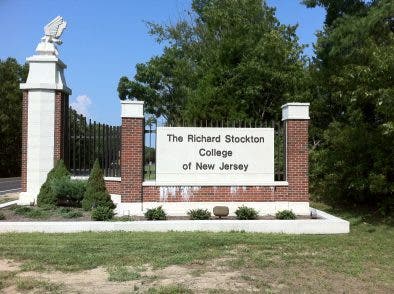
The results were released by the Richard Stockton College of New Jersey on Wednesday.
Fifty-one percent of those who expressed an opinion oppose the idea, while 25 percent were in favor. Another 25 percent neither oppose nor support, or said they do not know whether they support the idea.
Find out what's happening in Ocean Cityfor free with the latest updates from Patch.
Support was highest in northern and central counties at about 29 percent and lowest in the southern counties at just 18 percent.
“New Jerseyans are more than skeptical about casinos outside Atlantic City, making any change in the New Jersey Constitution unlikely without a fight,” said Dr. Israel Posner, Executive Director of Stockton College’s Lloyd D. Levenson Institute of Gambling Hospitality and Tourism (LIGHT).
Find out what's happening in Ocean Cityfor free with the latest updates from Patch.
The results were released two days after Atlantic County Republican Freeholders John Risley and Alex Marino and Freeholder candidate John Carman spoke out against overturning a ban on Atlantic City’s gambling monopoly.
A referendum on the issue may come in November of 2015, according to Business Week. The ban on gambling outside Atlantic City is nearly 40 years old, and voters defeated a similar proposal in 1974.
The survey of 807 likely voters was conducted for LIGHT by the Stockton Polling Institute of the William J. Hughes Center for Public Policy. Live interviewers on the Stockton campus called both landlines and cell phones from Sept. 5-8. The poll’s margin of error is +/- 3.5 percentage points.
Of the New Jersey adults surveyed, 28 percent had gambled in a casino in the last 12 months. Atlantic City continued to be the top destination for New Jersey casino gamblers.
Most of those surveyed, 80 percent, gamble in Atlantic City, while 29 percent choose Pennsylvania; 20 percent gamble in any other state; 7 percent gamble in Delaware; 4 percent gamble in Maryland; and 1 percent gamble in New York.
“While Pennsylvania casinos are currently the No.1 competitor of Atlantic City, casinos in New York state and Maryland are likely to emerge as more significant competitors in the coming years,” Posner said.
When respondents were asked how often they would visit Atlantic City if a casino were to open elsewhere in New Jersey, 16 percent said they would visit somewhat less or much less often than before, while 69 percent said their visits to Atlantic City would remain unchanged.
“That 16 percent would put at risk about 200,000 of the more than 1.3 million New Jersey gamblers who would otherwise come to Atlantic City,” Posner said.
If a new casino were to open outside of Atlantic City, 22 percent said they would be very or somewhat likely to gamble in that casino, while 76 percent said they would be very or somewhat unlikely to gamble in the new casino.
“Ultimately, the potential for market growth depends upon many factors, particularly convenience and value,” said Dr. Posner. ”Atlantic City is emerging as a broader destination that focuses on major events and entertainment and includes gambling.”
A new casino opening in Atlantic City seems unlikely.
The Atlantic Club, the Revel and the Showboat have already closed, Trump Plaza is scheduled to close Sept. 16 and employees at Trump Taj Mahal is facing bankruptcy.
Atlantic City’s revenues are trending away from the casino industry, as 28.5% of total visitor spending at casino properties ($942 million) is at non-gaming venues and the retail district has expanded over the last three years, Gov. Chris Christie said earlier this week.
Get more local news delivered straight to your inbox. Sign up for free Patch newsletters and alerts.