Neighbor News
Creating a Lighting Plan: A Step-by-Step Guide for a Well-Lit Home
This step-by-step guide will help you achieve a perfectly lit home that feels bright, light, spacious, and inviting.
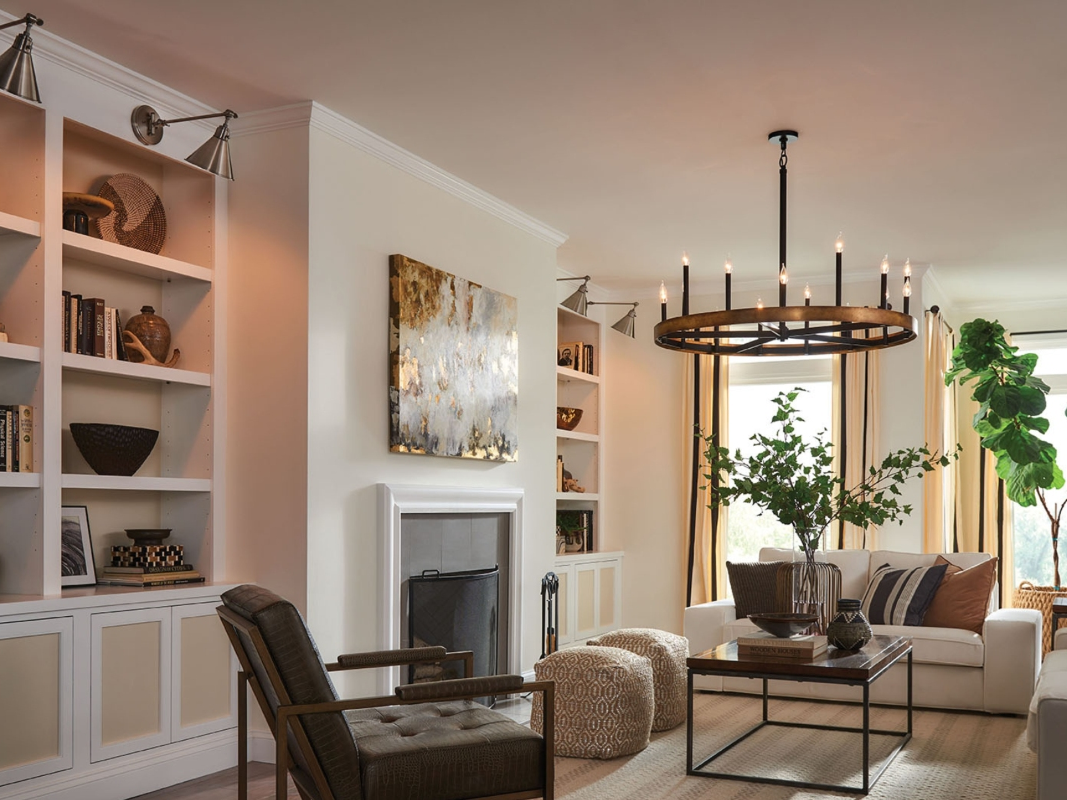
Changing your lighting is one of the simplest ways to turn your home into a beautifully warm and welcoming haven. However, when choosing lighting fixtures, aesthetics must meet functionality. This step-by-step guide will help you achieve a perfectly lit home that feels bright, light, spacious, and inviting. Visiting a lighting store is a great way to see what's available and get expert advice.
Assessing Your Lighting Needs
Before you dive into selecting light fixtures, it's essential to assess your lighting needs based on the specific functions of each room. Consider the following factors:
- Functionality: Identify the primary purpose of each room. Is it a workspace, a relaxation area, or a gathering space? Different activities require varying levels of illumination.
- Natural Light: Take note of the natural light sources in each room. This will help you determine how much additional lighting you need during different times of the day.
- Task Lighting: For areas where tasks are performed, such as the kitchen or study, ensure there is ample illumination to prevent eye strain.
- Ambient Lighting: Plan for general ambient lighting to evenly illuminate the entire room. This could be achieved through ceiling fixtures, chandeliers, or recessed lighting.
Mood Setting: Selecting Lighting Techniques for Various Areas
Although each room needs lighting, they don't need the same type of lighting. Each room in your home serves a different purpose and requires a unique lighting approach to set the right mood.
Find out what's happening in Paramusfor free with the latest updates from Patch.
- Living Room: Consider soft, dimmable lights that encourage relaxation. Floor lamps and table lamps can provide gentle illumination.
- Kitchen: Opt for bright task lighting in food prep areas. Pendant lights above islands or under-cabinet lighting can enhance functionality.
- Bedroom: Create a cozy atmosphere with bedside lamps or wall sconces. Dimmable overhead lights offer versatility.
- Bathroom: Combine bright vanity lighting with softer ambient lighting for a spa-like feel.
Creating Ambiance: Layering Light in Your Home
Layered lighting is a technique that uses multiple types of light to create depth and dimension in a home's interior design. By layering your light sources, you can build a balanced and functional lighting plan that enhances moods from soft and cozy to bright and energizing.
This approach involves four types of lighting, described below.
Find out what's happening in Paramusfor free with the latest updates from Patch.
- Ambient Lighting: This is your base layer, providing overall illumination. Chandeliers, flush-mount fixtures, or track lighting can serve this purpose.
- Task Lighting: Add task-specific lighting where needed. Pendant lights over dining tables or reading lamps in seating areas are examples.
- Accent Lighting: Highlight architectural features, artwork, or decorative elements with accent lighting. This could involve spotlights, track lighting, or wall-mounted fixtures.
- Decorative Lighting: Both aesthetic and functional; however, the emphasis is on the former. This layer helps accessorize your space and includes fixtures that stand out, such as scones, pendants, and chandeliers.
Accent Lighting: Enhancing Interior Design with Focal Points
Task or ambient lighting is mainly practical and functional, and decorative lighting combines or enhances the overall design. Accent lighting has a decorative function different from that of decorative lighting. It adds visual interest and depth by creating contrasts in brightness while showcasing the unique aspects of your home.
- Focal Points: Draw attention to focal points like artwork, sculptures, or architectural details with well-placed accent lights.
- Wall Washing: Use wall-mounted fixtures or track lighting to create a soft wash of light along textured walls.
- Backlighting: Place lights behind translucent materials to create a dramatic silhouette effect.
Coordinated Look: Factors for Choosing Light Fixtures
Whether your home has an open floor plan or not, it's nice to have a cohesive general style throughout. Coordinating light fixtures doesn't have to be complicated, but there are a few essential things when selecting light fixtures. And keep in mind that your fixtures don't have to match, but they should go well together.
- Style: Choose fixtures that align with your home's overall design aesthetic. Modern, rustic, industrial—whatever your style, there are fixtures to match.
- Scale: Ensure the size of the fixture is proportionate to the room. A small fixture might get lost in a grand space, while an oversized one can overwhelm a small room.
- Finish: Coordinate the finish of your fixtures with other elements in the room, such as door hardware or cabinet knobs. Or, you can mix finishes but limit it to two, and make sure there are common elements between all fixtures that tie them together.
Creating a lighting plan for your home is an exciting opportunity to merge functionality and aesthetics. By assessing your needs, understanding the techniques, and embracing the art of layering light, you'll transform your living spaces into captivating havens of illumination. So, start your journey at lighting stores near you to find the best selection possible, and watch as your well-lit home becomes a beacon of comfort and style.