Neighbor News
Preparing Young Children For School in a Pandemic
NewBridge Services' director of Child and Family Services offers parents of young children advice on handling the 2020-21 school year.
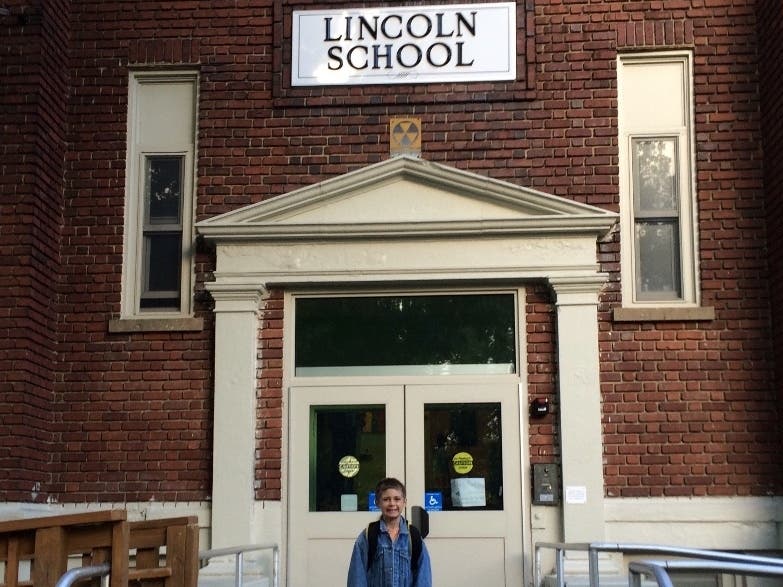
Parents face big decisions and challenges as New Jersey’s 2020-2021 pandemic school year gets underway. Should they send their little ones to school, with so many rules and restrictions in place, or keep them home for virtual instruction, which proved shaky in the spring? How can they mesh their work schedules with the hybrid options that in many districts combine shortened school days with distance learning?
Heaped on all that, parents must try to manage the emotional toll caused by the pandemic. “No question, parents are dealing with a lot,” said Nicole Bolognini, director of NewBridge Services Child and Family Services program.
Children are Resilient
Find out what's happening in Parsippanyfor free with the latest updates from Patch.
Bolognini, a licensed clinical social worker and certified clinical trauma specialist, offers words of wisdom to help parents support their children. Her first suggestion: “stop feeling guilty. The good news is, children are resilient,” said Bolognini, who is also a certified school social worker.
Deciding what form of schooling to choose is stressful, but Bolognini noted, “parenting is all calculated risk, and every family has a different level of comfort.” The Centers for Disease Control and Prevention has created feasibility assessments to help parents and other caregivers weigh the risks of the different school options.
Find out what's happening in Parsippanyfor free with the latest updates from Patch.
Parents can initiate conversations with their kids about the new school year, and how it will be different. Children attending in person will be spaced apart from classmates and likely required to wear masks throughout the day. Children may remain in one room, and won’t share books and other items.
“Let children pick out their own mask; that gives them some control over the situation,” Bolognini said. "Teach children how to properly wear a mask, and how to safely remove it,” as well as the importance of frequent hand washing and other hygiene practices, she said.
For young children apprehensive about attending school, Bolognini suggests parents ask school administrators to allow their kids to meet their teacher beforehand. “See if you can meet in a park or videoconference with them,” she suggested.
Learning at Home
Parents who opt to have their children do virtual learning (or have no choice in the matter) should reach out to teachers and administrators on a regular basis about resources and expectations. In building school routine at home, parents should incorporate play time and movement breaks throughout each day. Set up children’s school space where it is quiet, free of distractions, and well lit. Help your child create a daily and weekly calendar of online classes and assignments.
Khan Academy, a nonprofit that provides free education content online, has resources on its website and YouTube channel to help parents set up daily schedules and keep children motivated.
Fostering Resiliency
Whichever schooling choice parents make, children may struggle to adjust. Some children may exhibit excessive irritation, worry or sadness, or show changes in sleeping and eating routines.
For early elementary school children, the National Association of School Psychologists recommends giving simple facts about COVID-19 along with reassurances that adults are taking measures to keep them safe and will care for them if they get sick. Children in upper elementary and early middle school grades may need help differentiating between rumor and reality. Here is a list of behaviors children may exhibit during the pandemic, and ways parents can help.
Bolognini said it is important for parents to manage their own emotions. “Kids attune to parents — that’s a survival skill they learn from infancy,” the mother of three said. “The more emotionally regulated we are, the better off they’ll be.”
In this time of uncertainty and fear, resiliency — the ability to bounce back from adversity — can be the difference between personal growth and regression. Parents can help foster resiliency by modeling it. Kids blossom when they feel safe and supported. Daily family conversations and encouragement to develop ideas and pursue plans help build it. Bolognini encourages parents to play games with their children that require problem solving and to share anecdotes about how they handle challenges. “Children who feel confident making choices are better off,” she said.
Foundations of Well-Being
Bolognini recommends parents make good sleep, nutritious eating, regular exercise and mindfulness practices a priority for all family members. Those foundations of well-being improve attention and energy when it comes to learning. Parents can teach children simple relaxation techniques such as focusing on their breath and doing a mental body scan that can calm them whenever they begin to feel anxious.
“We need children to learn healthy coping skills,” Bolognini said. NewBridge Services created a sandcastle-themed guided imagery meditation for children that promotes relaxation.
Should parents or children struggle with anxiety and stress, contact NewBridge Services at (973) 316-9333 to schedule a counseling session with a licensed therapist.
###
About NewBridge
NewBridge Services, a 501c(3) nonprofit, is a leading provider of counseling services, housing and educational programs in northern New Jersey serving nearly 8,000 adults and seniors last year alone. NewBridge treats mental illnesses and addictions; teaches skills for coping with stress, grief and challenging relationships; helps children who have been abused and neglected — and their families — heal; builds and manages affordable housing; offers school-based programs that teach children and adolescents resiliency skills for healthy emotional development; helps young adults succeed in their education and prepare for careers; and supports seniors so they can remain independent. Throughout its 57-year history, NewBridge has remained true to its mission of bringing balance to people’s lives by tracking shifts in communities’ needs and providing innovative, effective programs to meet them.