Neighbor News
Readying Teens for a Pandemic School Year
Teens and tweens may be most affected by pandemic social distancing. NewBridge Services offers coping tips to parents and students.
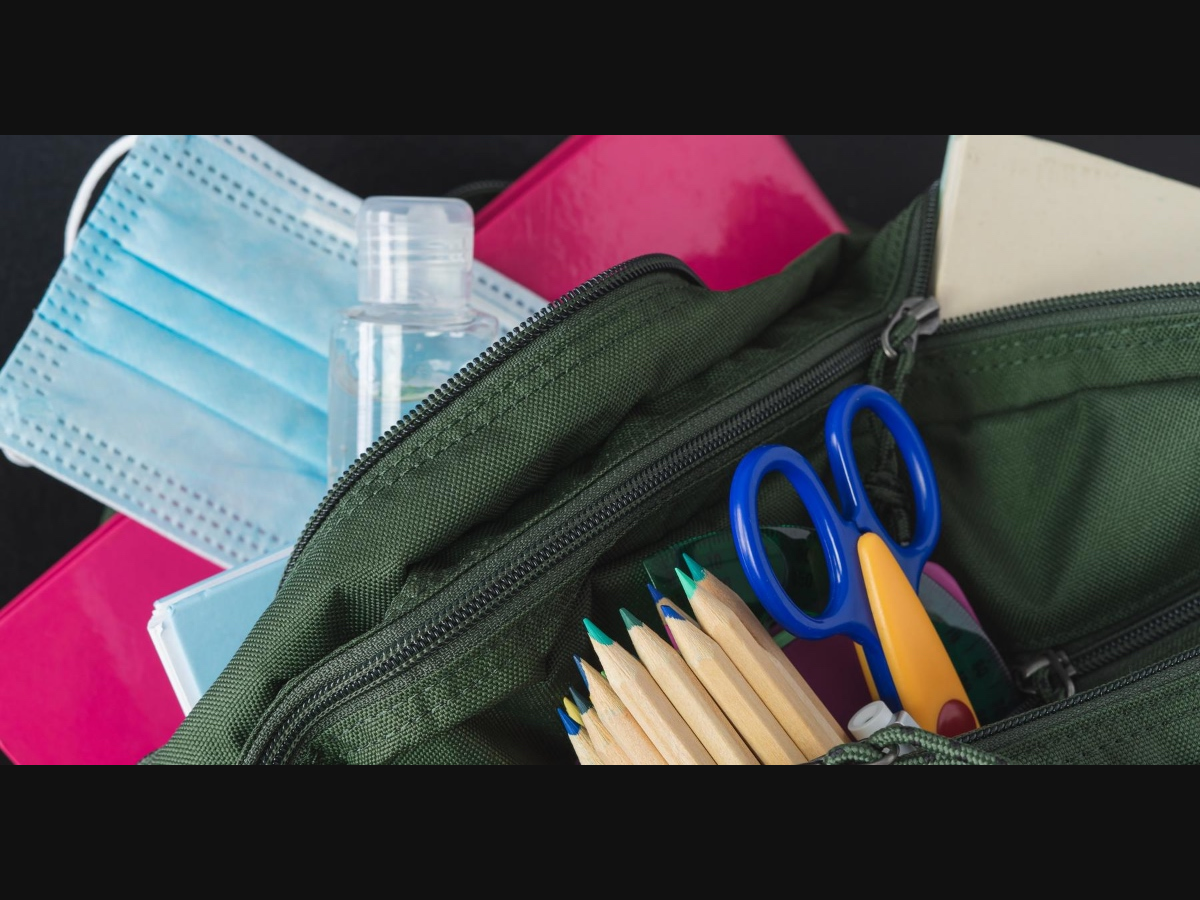
Tweens and teens may be hardest hit by the social distancing measures put in place to control the COVID-19 pandemic. Developmentally, they crave peer contact, which has been greatly restricted to prevent the virus’ spread.
As the new school year gets underway, parents must weigh concerns about effects of distancing against the risk of their kids becoming infected. Should teens take the hybrid option, a blend of in-person and virtual learning, or do online-only classes? What if the district doesn’t reopen school buildings?
The 2020-21 school year may be fraught with difficulties, but there are actions parents and teens can take to make the most of it. “It’s going to take creativity, patience and empathy,” said Beth Jacobson, director of Community Response and Education for NewBridge Services.
Find out what's happening in Parsippanyfor free with the latest updates from Patch.
Managing Feelings
The pandemic is new territory for both parents and teens, and all the unknowns can take an emotional toll, Jacobson said. Family members may feel a loss of control. Adolescents worried about what school will be like may experience changes in sleeping and eating patterns, agitation, misbehavior, and an inability to concentrate, she said.
Find out what's happening in Parsippanyfor free with the latest updates from Patch.
Two messages parents can reinforce is that the pandemic will end, and that people grow the most during times of great challenge. Along those lines, parents can help their children by strengthening their own resilience. Teenagers are attuned to their parents’ emotions and internalize their reactions to stressors.
Jacobson suggests parents talk to their tweens and teens about their feelings. Reassure them that it’s understandable to feel sadness, disappointment and frustration over the circumstances resulting from the pandemic. “Parents can encourage their teens to talk about their concerns and encourage them to create solutions,” Jacobson said. That openness, she said, fosters security, a foundation for growth.
Safely Socializing
If, for example, they’re feeling disconnected from peers, they could meet up with a few friends at a park or have one over (if the family is comfortable with that). “Make sure they understand that wearing a mask and maintaining physical distance are how friends can protect each other,” she said. Adolescents are susceptible to peer pressure, so parents may want to do some role-playing before get-togethers on standing up for themselves. For instance, practice how to handle a friend who isn’t wearing a mask.
Teens can set up online gatherings around a shared interest, with each member taking a turn to lead sessions. Parents may opt to give their children more latitude to use video conferencing and apps like Instagram and TikTok to hang out virtually with friends. (TikTok has parental controls, and Instagram encourages parents to help their teens safeguard their account.)
Tips for Teens
Jacobson created a short video in the spring giving pandemic coping advice directly to middle schoolers:
- Recognize that feeling anxious or stressed is completely normal
- Create distractions
- Find new ways to connect with friends
- Focus on you
- Feel your feelings
- Be kind to yourself and others
Sticking to a Routine
Keeping a daily schedule that includes exercise, healthy meals, and solid sleep is key to well-being. This will be even more important when classes resume, whether in person or remotely.
Most students will receive some days of online instruction. Parents can encourage their teens to reach out to their teachers whenever they have questions. Help them create a home ‘school space’ that is quiet, free of distractions, and well lit.
Relaxation techniques such as deep breathing, meditation and yoga can be effective for managing stress and anxiety, she said. Some students may find low-cost meditation apps like Calm and Headspace helpful. Parents and teens who feel overwhelmed are welcome to contact NewBridge Services at (973) 316-9333 to schedule a telehealth counseling session with a licensed therapist.
About NewBridge
NewBridge Services, a 501c(3) nonprofit, is a leading provider of counseling services, housing and educational programs in northern New Jersey serving nearly 8,000 adults and seniors last year alone. NewBridge treats mental illnesses and addictions; teaches skills for coping with stress, grief and challenging relationships; helps children who have been abused and neglected — and their families — heal; builds and manages affordable housing; offers school-based programs that teach children and adolescents resiliency skills for healthy emotional development; helps young adults succeed in their education and prepare for careers; and supports seniors so they can remain independent. Throughout its 57-year history, NewBridge has remained true to its mission of bringing balance to people’s lives by tracking shifts in communities’ needs and providing innovative, effective programs to meet them.