Health & Fitness
Troubling Pediatric Cancer Rates In NJ: CDC Releases Study
Pediatric cancer rates in New Jersey are among the highest in the country, the CDC says in a new study.



A new study by the Centers for Disease Control and Prevention has found that pediatric cancer rates are the highest in the Northeast, with New Jersey having the 3rd highest rate in the country.
The study, released this week, shows that there were 5,308 cases of pediatric cancer in New Jersey recorded between 2003 and 2014. That's a rate of more than 192 per one million, which was among the higher rates in the country. Only New Hampshire and Washington, D.C. had higher rates.
Previous studies by the CDC focused on regional differences. The most recent study provides state-by-state statistics.
Find out what's happening in Parsippanyfor free with the latest updates from Patch.
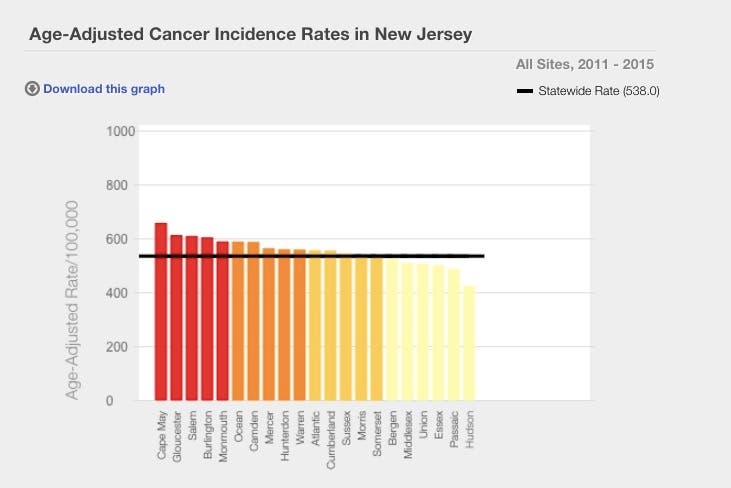
Below is a bar graph that shows which areas of New Jersey have the highest-to-lowest overall cancer rates.
The lowest rates were recorded in the southern states of South Carolina and Mississippi. After the Northeast, rates were highest in the Midwest, the West and lowest in the South.
Find out what's happening in Parsippanyfor free with the latest updates from Patch.
The CDC says geographical variation in pediatric cancer might be influenced by the following factors:
- Difference in exposure to carcinogenic chemicals (air pollution, secondhand smoke, food, or drinking water) or radiation
- Genetic variation in certain populations
- Rates for certain cancers may vary by race and ethnicity
- Incidences of some types of cancer might be related to enhanced detection and access to care, which can vary based on location
- Age, economic status and rural/urban classification
The CDC analyzed data from the United States Cancer Statistics and identified over 170,000 cases of pediatric cancer between 2003 and 2014.
“Knowledge of pediatric cancer incidence variation by state and cancer type can prompt local and state cancer registries to evaluate reporting and diagnostic standards,” the study said. “Understanding geographic variation in incidence rates can help cancer-control planners and clinicians address obstacles in access to care, which is especially relevant to states with large distances to pediatric oncology centers.”
According to the study, leukemias had the highest incident rates, followed by brain tumors and lymphomas. Identifying the incident rates of pediatric cancer by geographic region can enhance provider awareness, treatment capacity, survivor care and surveillance, the CDC says.
Nationwide, there were about 174 cases per one million children and teens and the rate was higher in males compared to females. When broken down by age group, the rates were higher in children between the ages of 0-4 and teens between the ages of 15-19, as compared to kids between the ages of 5-9 and 10-14.
The CDC says cancer incidence rate by geographical region can help local and state cancer registries to evaluate reporting and diagnostic standards. Understanding this information can also help clinicians address obstacles to care, which is especially relevant to states with large distances to pediatric oncology centers, the study said.
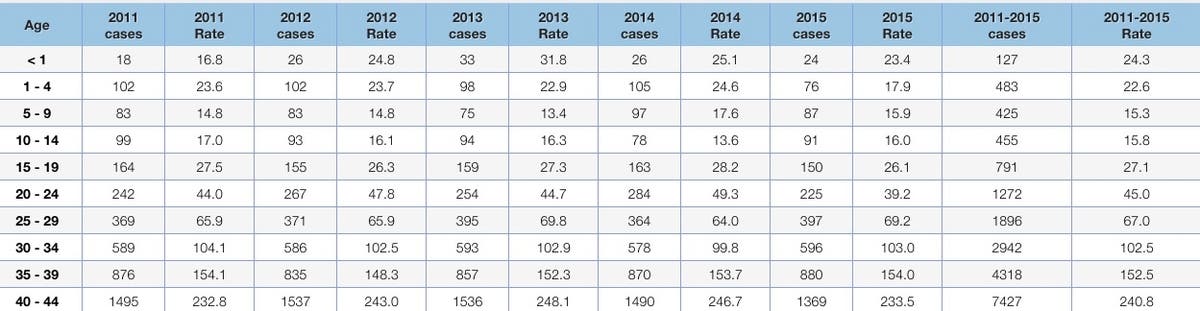
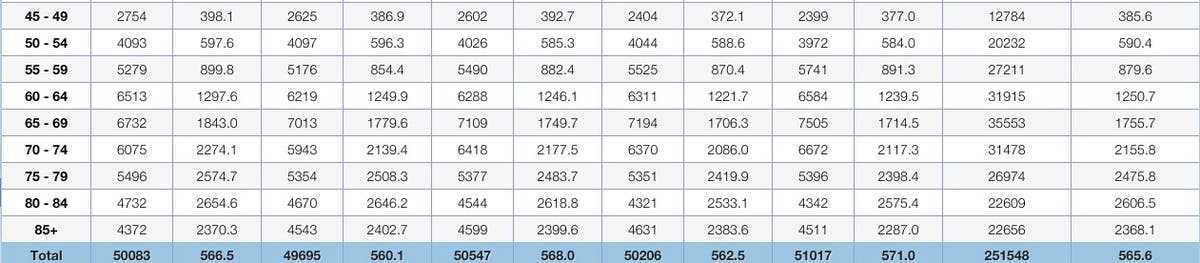
Here is a New Jersey Department of Health graph that shows the highest-to-lowest cancer rates.
You can see the full study here.
Image via Shutterstock
Get more local news delivered straight to your inbox. Sign up for free Patch newsletters and alerts.