Health & Fitness
Tick Surge Possible In NJ This Spring, Experts Warn
Some ticks could pose a health risk to humans now that Rutgers is saying the rainy weather could cause a surge in the number. Here's why.


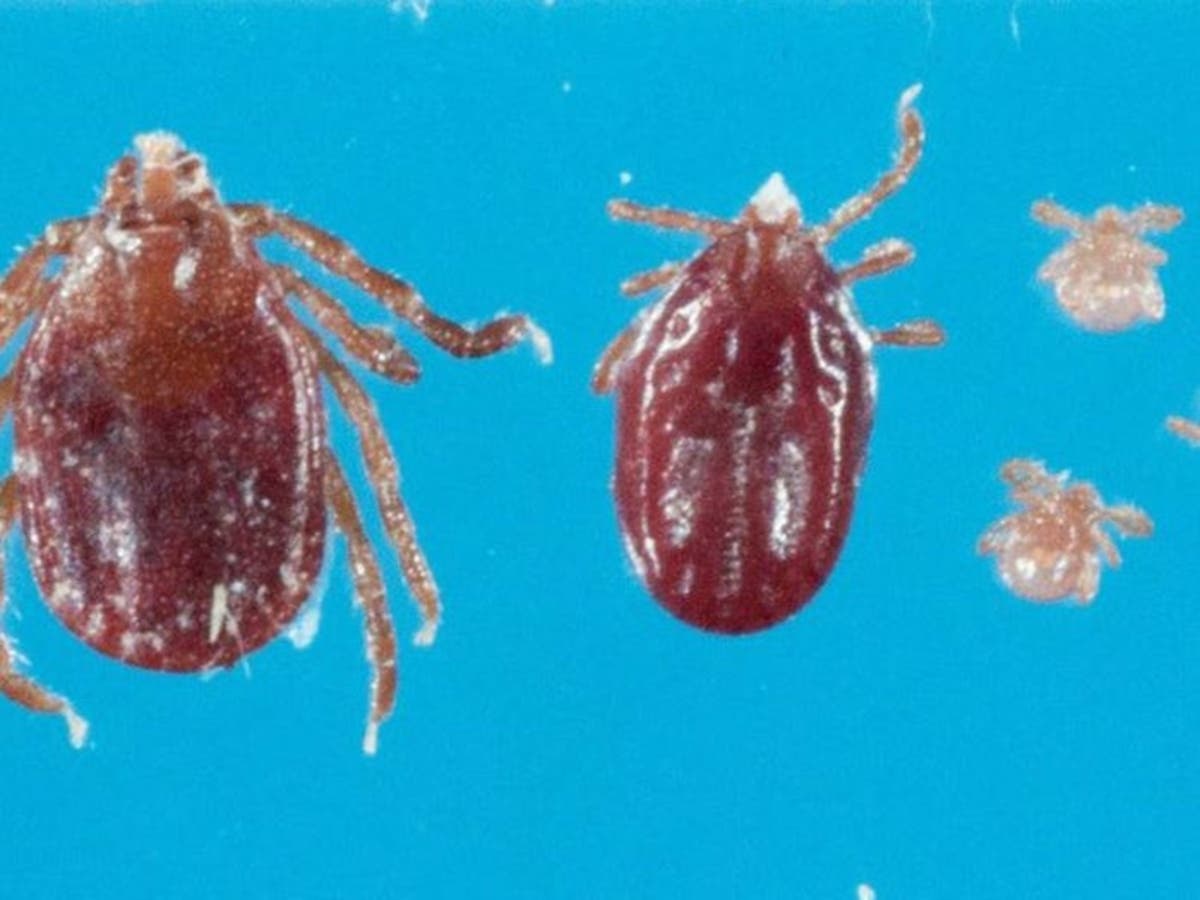
A Rutgers-led team has published the first scientific list of tick species confirmed in New Jersey, recommending tick surveillance across the state since rainy weather could cause a surge.
Professor Dina M. Fonseca, director of the Center for Vector Biology in the Department Entomology at Rutgers–New Brunswick, notes that blacklegged ticks are "highly sensitive to drying out and can be killed by bouts of dry weather."
"The exceptionally wet weather in 2018 could favor exceptionally large populations of ticks this year, increasing the threat of Lyme disease and other pathogens they transmit,” she said.
Find out what's happening in Point Pleasantfor free with the latest updates from Patch.
Last year through Nov. 3, there were 3,092 confirmed or probable cases of Lyme disease, according to the New Jersey Department of Health. According to the U.S. Centers for Disease Control and Prevention, actual numbers of Lyme disease cases may be 10 times higher on average.
“Our hope is that this work will aid in the development of standardized hard tick surveillance across NJ, thus facilitating more accurate assessments of tick-borne disease risk as well as the development of strategies to minimize such risk statewide,” the Rutgers-led team of authors wrote in the Journal of Medical Entomology.
Find out what's happening in Point Pleasantfor free with the latest updates from Patch.
Also, “a carefully tailored statewide tick surveillance program could provide basic but necessary information on which tick species are present, their principal hosts and any pathogens that they may carry and transmit.
"With this information in hand, public health professionals and physicians would be better able to inform and protect the public from tick-borne diseases,” the authors said in a Rutgers University press release.
The list includes 11 species of ticks – nine native and two invasive – that have been confirmed based on specimens in museums and other collections.
They include the Asian longhorned tick and brown dog tick, both of which are invasive in the United States.
The Asian tick was confirmed in a number of New Jersey counties last year. The invasive species congregates in large numbers and can cause anemia in livestock, officials with the state Department of Agriculture said. But cattle, pets, small mammals, birds and humans are all potential hosts.
This type of tick is a "serious" pest to livestock, as well as wildlife, pets and humans, authorities in New Jersey said at the time the tick was first discovered there.
This species can carry several bacterial and viral diseases, and has been associated with spotted fever rickettsioses, health officials said. Read more: Rare, Dangerous Tick Species Now Confirmed In Several NJ Counties
Native ticks, meanwhile, include the lone star tick, winter tick, American dog tick, rabbit tick, blacklegged tick, and four species – Ixodes brunneus, Ixodes cookei, Ixodes dentatus andIxodes texanus – that don’t have common names since they are closely associated with wildlife and are rarely removed from humans, according to the release.
Besides the 11, five other species of ticks have been reported in the Garden State, but there are no verified specimens in collections. Still, these species have been found in states within 300 kilometers (186 miles) of New Jersey and may be confirmed here in the future.
Two other species, including the Gulf Coast tick, are expanding their range northward and, the authors predict, may eventually arrive in New Jersey, according to the release.
“As far as we know, no other state in the Northeast has done the ‘due diligence’ of tracking down archived specimens of each tick species collected in the state,” said senior author Dina M. Fonseca, a professor and director of the Center for Vector Biology in the Department Entomology at Rutgers University–New Brunswick.
The Center for Vector Biology and New Jersey Agricultural Experiment Station websites have information on ticks in New Jersey.
Get more local news delivered straight to your inbox. Sign up for free Patch newsletters and alerts.