Community Corner
The Cicadas Are Back In NJ. But This Time They’re Different
The Brood X has died, and the annual cicadas have replaced them. Their song is filling the air in New Jersey.


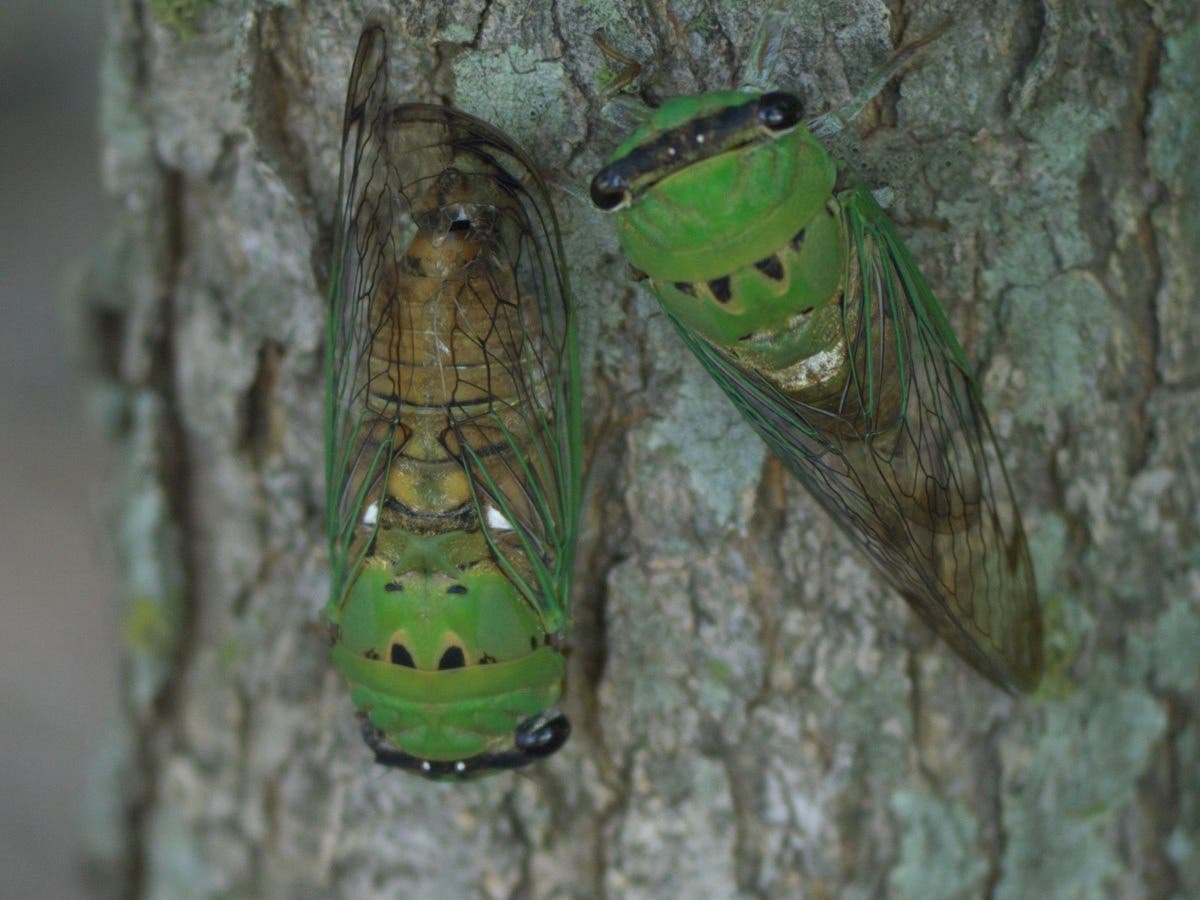
PRINCETON, NJ — The Brood X cicadas had a good run in New Jersey. They grabbed headlines and people found them everywhere — on trees, crashing against cars and windows, in ice cream. But if you thought cicada season is over, you’re wrong. The annual cicadas have emerged, and they are filling the air with a distinctive hum.
The last of the Brood X cicadas died early this summer — sometime in late June to early July. The annual cicadas emerged after the Brood X.
Not The Same
Find out what's happening in Princetonfor free with the latest updates from Patch.
The annual cicadas, also known as "dog-day cicadas," emerge every year and are larger in size than the Brood X or Magicicada septendecim. “Pretty much every summer you would hear them,” said Mark Eastburn, co-teacher at the Princeton High School Research Program and mentor of the PHS Insect-Eating Club.
“They actually don't overlap at all with the periodical cicadas, which is kind of neat,” said Eastburn, who also researches insects.
Find out what's happening in Princetonfor free with the latest updates from Patch.
While the Brood X cicadas are black with red eyes, their annual counterparts are “greenish, brown” and black with their eyes being black or greenish color, said Eastburn. And these critters sing a different tune as well.
The periodical cicadas like Brood X, had a “whirring sound,” and dog-day cicadas give out more of a hissing sound, said Eastburn. The website "Song of Insects" describes the sound as a “penetrating buzz of an electric saw.”
The distinctive hum of these critters is hard to miss in the Princeton area. But what you hear during the day is not the same as what you hear at night. According to Eastburn, the annual cicadas make their noise during the daytime and what you hear at night is the sound from a different insect named Katydid.
“Katydids are relatives of the grasshopper, and they make a sound at night during this time of year,” Eastburn said.
Faster, Smarter & Different Survival Strategy
The dog-day cicadas are also "better and smarter" than the periodical cicadas, said Eastburn.
“They seem to have much better predator avoidance strategies. They have more camouflage and are definitely harder to catch. The Brood X on the other hand were just so incredibly clumsy. And they weren't great fliers,” said Eastburn.
Dog-day cicadas come out in large broods. They are coordinated fliers and tend to be higher up in the trees. “Sometimes you'll see them in lower trees, but they're not tremendously common,” said Eastburn. So don’t expect cicada ice cream or any other cicada flavored delicacy, as they are incredibly hard to catch.
Why The Name Dog-Day?
The dog-day cicadas get their name as they appear during the hottest time of the year, said Eastburn. They are also known as swamp cicadas, he said. The annual cicadas will be around till early September before they start dying. “They don't stick around too long after the summer ends,” Eastburn said.
“They're pretty abundant in July, August, and September. And by October they're gone.”
What Happened To Brood X?
The adult Brood X cicadas have died by now. But their offspring, the nymphs, are around. The mother cicadas have laid their eggs on twigs in a lot of trees in Princeton.
“Now we have all of the babies coming out of the eggs and then dropping into the soil where they will hopefully be back in 17 years,” said Eastburn. The next brood will emerge in 2038.
(Image credit link: xpda, CC BY-SA 4.0 )
Want to win Six Flags Great Adventure Season Passes? Here's how.
Thank you for reading. Have a correction or news tip? Email sarah.salvadore@patch.com
Get breaking news alerts on your phone with our app. Download here. Sign up to get Patch emails so you don't miss out on local and statewide news.
Get more local news delivered straight to your inbox. Sign up for free Patch newsletters and alerts.