Neighbor News
Congresswoman is badly addicted to pharmaceutical money
Congresswoman Bonnie Watson Coleman accepted more than $122,000 from pharmaceutical companies during her 22 years in elected office
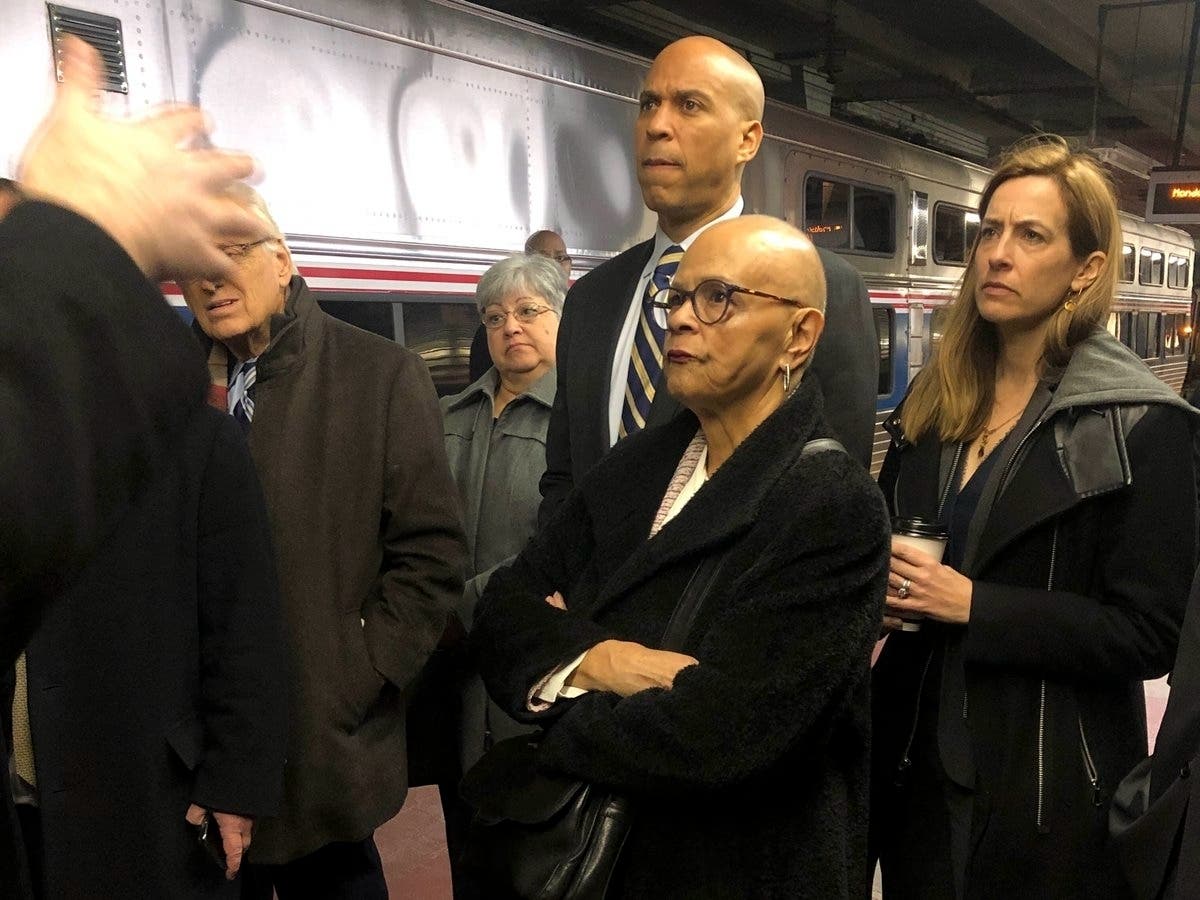
A review of campaign finance reports suggests that Congresswoman Bonnie Watson Coleman is badly addicted to pharmaceutical money, having accepted more than $122,000 from the drug industry during her time in elected office.
As a member of Congress, Congresswoman Bonnie Watson Coleman says she supports Medicare for All and other measures to make health care and medicine more accessible and affordable, but millions of Americans lack coverage or would face bankruptcy if they encounter a serious illness or injury.
As 40 million Americans lost their jobs as a result of the economic impact from COVID-19, major weaknesses in the nation's employer-based health insurance system have been revealed but Congress rarely denies big business opportunities to get richer even when they put lives at risk.
Find out what's happening in Princetonfor free with the latest updates from Patch.
The 21st Century Cures Act is a law enacted in December 2016 that was an early Christmas present for the pharmaceutical industry, festooned with gifts that include lowered standards on drug and device approvals, including a “real world evidence” procedure that would substitute summaries of observational data in place of a complete read out on the clinical trial data — the gold standard in drug development.
Congresswoman Bonnie Watson Coleman supported the law, which authorized $6.3 billion in funding. It was opposed by consumer organizations but was supported by large pharmaceutical manufacturers that deployed more than 1,300 lobbyists to the halls of Congress. Their work has paid off.
Find out what's happening in Princetonfor free with the latest updates from Patch.
Opposing the legislation was Democrat Lisa McCormick, who is running for Congress against the incumbent. McCormick said, "The 21st Century Cures Act could erode approval standards by allowing FDA to approve drugs based on anecdotal evidence, instead of hard science."
Among other measures, the legislation allows drug makers to use short cuts when seeking FDA approval of certain drugs, rather than full clinical trial data, plus it also allows them to promote off-label uses to insurance companies to expand their markets.
Critics of the measure, such as Public Citizen’s Health Research Group, say the designation of “breakthrough” devices is too broad, and could lead to clearance of devices and diagnostics that aren’t ready for the market.
The $500 million designated for the FDA is meant to pay for the agency’s new responsibilities, so there is virtually nothing in it to improve some of FDA’s longtime “high-risk” problems, especially food safety and post-approval oversight of medical products that went through the fast track. There was no money in the Cures Act for aging, deteriorating labs, which pose a serious problem.
Senator Elizabeth Warren (D-Mass.) took to the Senate floor to rail against the Cures Act, saying it had been “hijacked” by the pharmaceutical industry.
Warren said the legislation watered down safety requirements for new drugs and devices and then, as a trade-off, called for research funding — at levels that must be appropriated on an annual basis.
"I cannot vote for this bill," Warren declared. "I will fight it because I know the difference between compromise and extortion."
Public Citizen’s Health Research Group and the National Center for Health Research also campaigned hard against the Cures Act because both organizations believe it will endanger public health by weakening FDA standards.
New Jersey Sen. Cory Booker came under attack after his vote against allowing the importation of cheaper drugs from Canada into the United States. "Any plan to allow the importation of prescription medications should also include consumer protections that ensure foreign protections that ensure foreign drugs meet American safety standards," said Booker.
Criticswere outraged because like Watson Coleman, Booker voted to weaken federal safety standards that regulate whether a medication can be sold in the U.S. when he vocally supported the 21st Century Cures Act.
"Big pharma has its hand out for a bunch of special giveaways and favors that are packed together in something called the 21st Century Cures bill," Sen. Elizabeth Warren said during the debate over the law. "When American voters say Congress is owned by big companies, this bill is exactly what they are talking about."