Community Corner
New Jersey Braces for Snow, Bitter Cold in Time for Tuesday Morning Commute
Between 1 and 2 inches of snow and temperatures in the 20s are in the forecast.


Drivers in New Jersey and the Philadelphia area look to be in for a rough commute Tuesday morning.
The National Weather Service out of Mount Holly has issued a Winter Weather Advisory is in effect for New Jersey, the Philadelphia area, Delaware and the Eastern Shores of Maryland from 5 a.m.-4 p.m. on Tuesday.
Light snow is expected to cover the region from east to west, beginning Tuesday morning. It is expected to taper off during the early to mid-afternoon hours, leaving behind between 1 and 2 inches.
Find out what's happening in Princetonfor free with the latest updates from Patch.
Commuters should expect slippery roads, reduced visibility.
Temperatures are expected to drop into the 20s, with 5 to 10 mile an hour winds. Cold temperatures and brisk winds are expected to continue on Wednesday and Thursday.
Find out what's happening in Princetonfor free with the latest updates from Patch.
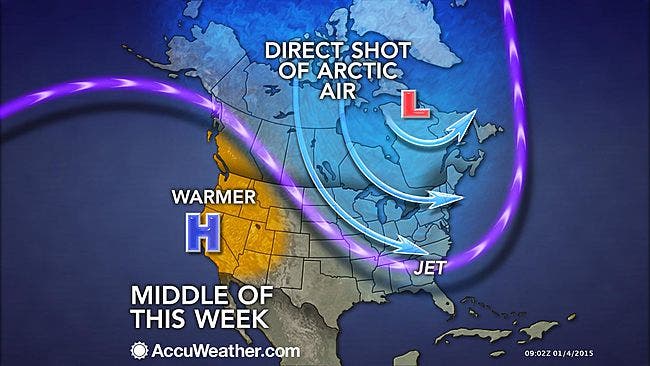
Accuweather.com projects it will feel like it’s between 15 and 30 degrees colder than the actual temperature at all times.
A blast of cold is expected to impact much of the nation, with temperatures in New York projected to drop below freezing Monday night and not return above freezing until the weekend.
In preparation for the pending snow, police provided the following tips for driving in the snow:
- Accelerate and decelerate slowly. Applying the gas slowly to accelerate is the best method for regaining traction and avoiding skids. Don’t try to get moving in a hurry. And take time to slow down for a stoplight. Remember: It takes longer to slow down on icy roads.
- Drive slowly. Everything takes longer on snow-covered roads. Accelerating, stopping, turning – nothing happens as quickly as on dry pavement. Give yourself time to maneuver by driving slowly.
- The normal dry pavement following distance of three to four seconds should be increased to eight to ten seconds. This increased margin of safety will provide the longer distance needed if you have to stop.
- Know your brakes. Whether you have antilock brakes or not, the best way to stop is threshold breaking. Keep the heel of your foot on the floor and use the ball of your foot to apply firm, steady pressure on the brake pedal.
Other Patch stories:
Get more local news delivered straight to your inbox. Sign up for free Patch newsletters and alerts.