Neighbor News
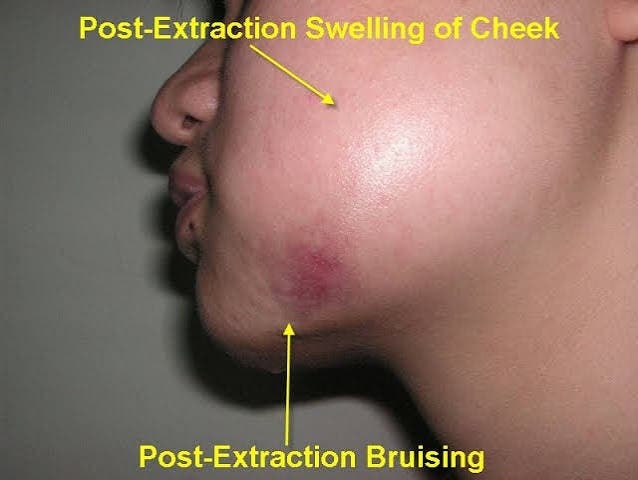
Swollen Face After Tooth Extraction? What Helps and When to Worry
You had a tooth removed, followed your dentist's instructions, and now you wake up with a swollen cheek.

Swollen Face After Tooth Extraction? What Helps and When to Worry
You had a tooth removed, followed your dentist's instructions, and now you wake up with a swollen cheek.
Should you be worried?
Find out what's happening in Princetonfor free with the latest updates from Patch.
In many cases, some facial swelling after a tooth extraction is a normal part of healing—particularly after wisdom tooth removal or a more complicated surgical extraction.
But there is an important difference between swelling that follows a normal recovery pattern and swelling that continues getting worse.
Find out what's happening in Princetonfor free with the latest updates from Patch.
Knowing that difference can help you recover more comfortably and recognize when it's time to call your dentist.
Why Does Your Face Swell After a Tooth Extraction?
A tooth extraction creates an injury that your body immediately begins repairing.
As part of that healing response, fluid and inflammatory cells move into the surrounding tissues. This can cause swelling around the:
- Cheek
- Jaw
- Gums
- Extraction area
- Lower face
More involved surgical procedures may produce greater swelling than a simple extraction.
Wisdom tooth removal, particularly impacted wisdom teeth, can cause noticeable swelling because surrounding gum, bone, and soft tissues may be involved during surgery.
When Does Swelling Peak After a Tooth Extraction?
One thing that surprises many patients is that swelling may not be at its worst immediately after the procedure.
Swelling commonly increases during the first couple of days and may peak around 48 to 72 hours after extraction.
After that, it should generally begin improving.
A typical recovery may look something like this:
Day 1: Swelling begins.
Days 2–3: Facial swelling may reach its peak.
Days 4–5: Swelling should start becoming noticeably better.
Days 6–7: Many patients experience significant improvement.
Week 2: Most residual swelling should be substantially improved or resolved.
The exact timeline varies depending on the extraction and the individual patient.
The most important factor is the direction the swelling is going.
What Are the Best Home Remedies for Swollen Face After Tooth Extraction?
There is no instant cure for postoperative swelling, but several simple measures can support a more comfortable recovery.
Use a Cold Compress During the First 24–48 Hours
A cold compress can help control early swelling and discomfort.
Place a wrapped ice pack or cold compress against the outside of your cheek for approximately 15–20 minutes at a time, followed by a break.
Never place ice directly against your skin.
Cold therapy is generally most useful during the first 24–48 hours following an extraction.
Should You Use Heat for Facial Swelling?
Not immediately.
Applying heat too early may potentially increase swelling.
Once you are approximately 48–72 hours into recovery and the initial swelling has peaked, a warm compress may sometimes help relax sore muscles and improve comfort.
Follow the postoperative instructions provided by your dentist or oral surgeon because individual recommendations can vary.
Keep Your Head Elevated
Your sleeping position can make a difference.
During the first few nights, try keeping your head elevated rather than lying completely flat.
Using an extra pillow can help reduce fluid accumulation around the surgical area.
Rest and Give Your Body Time to Heal
A tooth extraction is a surgical procedure, even when it seems routine.
Avoid immediately returning to strenuous exercise or heavy physical activity unless your dentist tells you it is safe.
Rest gives your body an opportunity to direct its energy toward healing.
Stay Hydrated
Drink plenty of water during recovery.
However, avoid using a straw during the early healing period.
The suction created by a straw may disturb the blood clot protecting the extraction socket and increase the risk of complications such as dry socket.
Choose Soft Foods
Your diet can make recovery easier.
Good choices during early healing may include:
- Yogurt
- Applesauce
- Mashed potatoes
- Scrambled eggs
- Oatmeal
- Lukewarm soup
- Smoothies eaten with a spoon rather than through a straw
Avoid hard, crunchy, spicy, or extremely hot foods that could irritate the extraction site.
Can You Rinse With Salt Water?
Gentle saltwater rinsing can help keep the mouth clean during healing, but timing matters.
Avoid vigorous rinsing immediately after an extraction because you don't want to disturb the protective blood clot.
After the first 24 hours, your dentist may recommend gentle warm saltwater rinses.
Do not aggressively swish or spit.
Follow the specific instructions provided by the dentist or oral surgeon who performed your procedure.
What Should You NOT Do After a Tooth Extraction?
Protecting the extraction site is just as important as trying to reduce swelling.
During early recovery:
- Don't smoke or vape.
- Don't drink through a straw.
- Don't poke the extraction socket.
- Don't rinse aggressively.
- Don't eat hard or crunchy foods near the site.
- Don't apply heat immediately after surgery.
- Don't ignore swelling that continues getting worse.
Smoking and vaping are particularly problematic because they can interfere with healing and increase the risk of postoperative complications.
When Is Facial Swelling After an Extraction NOT Normal?
This is where patients should pay close attention.
Normal postoperative swelling should eventually begin trending downward.
Contact your dentist if swelling continues increasing after approximately the third day rather than improving.
Other warning signs can include:
- Fever or chills
- Pus or drainage
- Increasing pain
- A foul taste or odor
- Swelling that becomes increasingly hard or hot
- Persistent bleeding
- Difficulty opening your mouth
- Swelling that returns after initially improving
- Swelling that persists much longer than expected
These symptoms may indicate an infection or another complication that requires professional evaluation.
What About Facial Swelling From an Infected Tooth?
This is an important distinction.
Swelling caused by the normal healing response after an extraction is different from facial swelling caused by an active dental infection or abscess.
If your face is swollen because of a dental infection, home remedies alone are not an appropriate substitute for professional treatment.
A dental infection may require treatment of the source of the infection and, when clinically indicated, prescription medication.
Do not rely on ice packs, salt water, or over-the-counter medication while allowing a potentially serious dental infection to progress.
When Is Facial Swelling an Emergency?
Some forms of facial swelling require urgent attention.
Seek immediate medical care if facial or oral swelling is causing:
- Difficulty breathing
- Significant difficulty swallowing
- Rapidly spreading swelling
- Swelling involving the neck or other concerning areas
- Severe systemic illness
Breathing difficulty associated with facial or oral swelling can be a medical emergency.
Do not wait for a routine dental appointment if you are having trouble breathing.
What If My Face Is Still Swollen After a Week?
Some residual swelling can persist, particularly after complicated oral surgery.
However, you should generally see a trend toward improvement.
If your swelling remains substantial, begins worsening again, or is accompanied by pain, fever, drainage, or other unusual symptoms, contact your dentist.
It is much safer to have an extraction site examined than to assume persistent swelling is normal.
Don't Judge Your Recovery by Swelling Alone
Patients often focus on one symptom, but dentists evaluate the overall pattern.
Ask yourself:
Is my pain getting better?
Is my swelling decreasing?
Can I eat more comfortably?
Is the extraction area gradually improving?
Do I have fever, pus, worsening pain, or other new symptoms?
A steadily improving recovery is reassuring.
Symptoms that reverse direction and suddenly become worse deserve attention.
The Bottom Line
A swollen cheek after tooth extraction can look alarming, but mild to moderate swelling is often a normal part of healing.
Swelling frequently reaches its highest point approximately two to three days after extraction and should then begin improving.
Cold compresses during the first 24–48 hours, head elevation, rest, hydration, soft foods, and careful oral hygiene can support recovery.
But home remedies have limits.
If swelling gets worse after the third day, returns after improving, or occurs with fever, pus, increasing pain, or other concerning symptoms, contact your dentist.
And if swelling interferes with breathing or significantly affects swallowing, seek emergency medical attention.
Read the Complete Tooth Extraction Recovery Guide
Want a more detailed explanation of facial swelling, wisdom tooth recovery, ice versus heat, saltwater rinses, foods to eat, medications, and warning signs?
Read:
Home Remedies for Swollen Face After Tooth Extraction
https://dentblanchedental.com/home-remedies-swollen-face-tooth-extraction/
Schedule a Post-Extraction Evaluation
If your face remains swollen after a tooth extraction or your symptoms are getting worse instead of better, don't keep guessing about whether your recovery is normal.
Dent Blanche Dental provides post-extraction evaluations, emergency dental care, and personalized treatment for dental pain, infection, and oral surgery complications.
Dent Blanche Dental
3640 Lawrenceville Rd
Princeton, NJ
Call 609-890-1888 to schedule an appointment.
Visit:
https://dentblanchedental.com
New patients are welcome.
Found this article helpful? Share it with friends and family—especially someone who recently had a tooth or wisdom tooth removed. It may help them understand what's normal during recovery and when it's time to call their dentist.