Health & Fitness
7 Tactics for Surviving the Spring Allergy Season
Do you suffer from pollen related allergies? If you do, you have plenty of company!


In much of the U.S., spring allergies may begin as early as February and last until summer. Tree pollen is a common springtime allergen. People often have allergies to three or more species of trees and plants. Airborne mold spores represent another common culprit.
Monitoring the outdoor pollen count can be helpful, but you’ll only benefit from staying indoors on high pollen count days. A better bet is to be prepared to tackle your springtime allergies regardless of what the day’s pollen count may be.
How Do Seasonal Allergies Develop?
Find out what's happening in Ramseyfor free with the latest updates from Patch.
Seasonal allergies, sometimes called hay fever, affect up to 8% of the U.S. population. They cause a number of bothersome symptoms including sneezing, stuffy or runny nose, watery and itchy eyes and itching in your nose, mouth or throat.
Allergies are your body's overreaction to particles that it considers foreign. The first time your body encounters an allergen, your plasma cells release immunoglobulin E (IgE), an antibody specific to that allergen.
Find out what's happening in Ramseyfor free with the latest updates from Patch.
IgE attaches to the surface of your white blood cells that are called mast cells. Mast cells are found in great numbers in your surface tissues, such as your skin and nasal mucous membranes, where they can trigger inflammatory responses. Mast cells release a number of important chemical mediators, one of which is histamine.
The second time your body encounters a particular allergen, within a few minutes your mast cells become activated and release a powerful cocktail of histamine, leukotrienes and prostaglandins, which trigger the entire cascade of symptoms you associate with allergies.
Tips for Surviving the Spring Allergy Season:
If you’re tired of suffering through what should be one of the most pleasant times of the year, here are some of the best survival strategies:
1. Know What You Are Up Against - Allergy testing can help you determine your individual allergies. Quest Diagnostics provides ImmunoCAP airborne allergy testing for 19 specific regions of the country. These test include; pollen, mold spores and animal airborne allergies. New Jersey and New York are in Region One.
2. Limit Pollen Exposure - To minimize your allergy symptoms, the ACAAI suggests reducing your exposure to pollen by:
a. Avoiding clothing made of synthetic fabrics, as they can produce an electric charge when rubbed that attracts and makes pollen stick to you. Better options include natural fibers like cotton.
b. Exercising outdoors before dawn, in the late afternoon and/or early evening, as pollen counts are at the lowest at these times. Intense exercise may be best done indoors, as your increased breathing rate could make you inhale more pollen.
c. Wearing gloves and a mask when gardening. To filter pollen, wear a National Institute for Occupational Safety and Health (NIOSH)-rated 95 filter mask. Also avoid touching your eyes and when done be sure to take a shower and wash your clothes.
d. Reducing your exposure to indoor allergens may also help reduce spring allergy symptoms. To improve your indoor air quality, regularly vacuum your home, including furniture, using a HEPA filter vacuum cleaner, leave shoes by the door to avoid trekking dirt through the house. Use a dehumidifier and/or a HEPA filter air purifier.
I prefer the Airocide air purifier, which I have in my office.
3. Try Chiropractic Care - Chiropractic care helps to reduce neurological interference between the brain and the nervous system. When the nervous system functions better, the immune system functions better. Allergies are the result of an overstimulation of the immune system, which is a malfunction. A number of clinical trials have shown that chiropractic can significantly help to reduce allergy symptoms.
4. Try Natural Remedies - Nature provides allergy relief in a number of natural herbs and vitamins. You may want to consider:
a. Hot peppers: Hot chili peppers, horseradish, and hot mustards work as natural decongestants. In fact, a nasal spray containing capsaicin (derived from hot peppers) significantly reduced nasal allergy symptoms in a 2009 study.
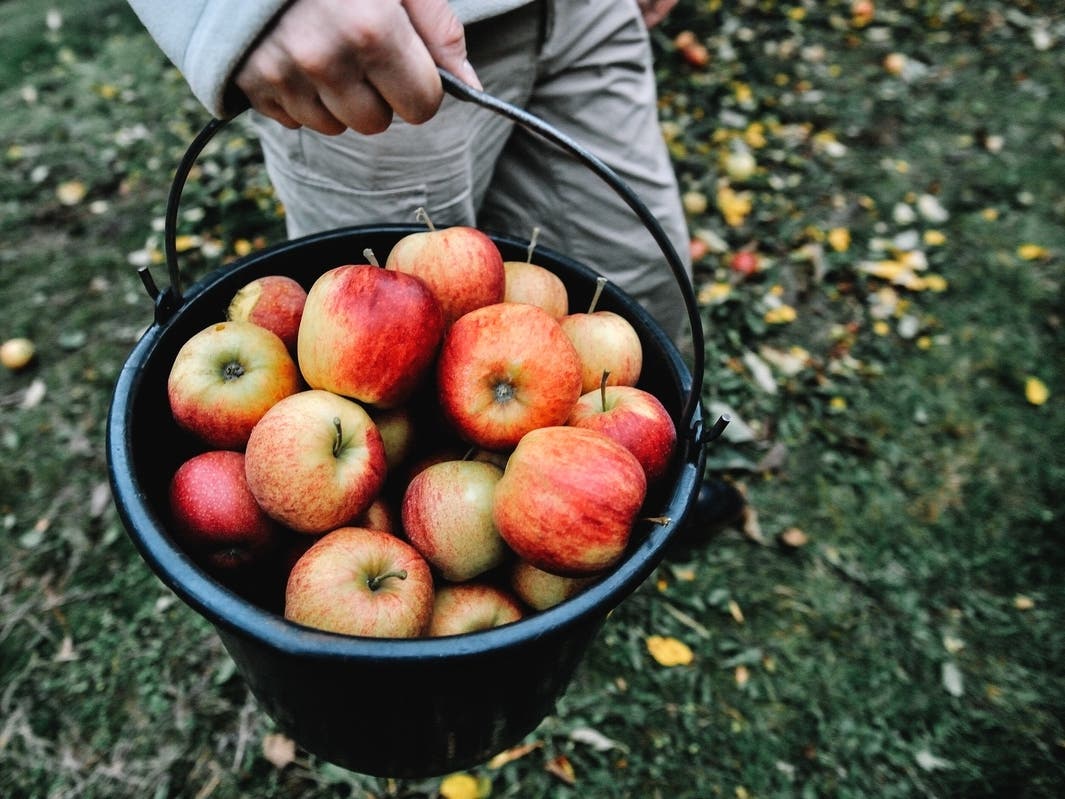
b. Quercetin: Quercetin is an antioxidant that belongs to a class of water-soluble plant substances called flavonoids. Quercetin-rich foods, such as apples, berries, red grapes, red onions, capers and black tea, prevent histamine release so they are "natural antihistamines." Quercetin is also available in supplement form. A typical dose for hay fever is between 200 and 400 milligrams (mg) per day.
c. Butterbur (Petasites hybridus): Another natural antihistamine, butterbur was used to treat coughs and asthma as far back as the 17th century. Researchers have since identified the compounds in butterbur that help reduce symptoms in asthma by inhibiting leukotrienes and histamines, which are responsible for symptom aggravation in asthma.
d. Goldenseal (Hydrastis canadensis): Goldenseal may be helpful for seasonal allergies. Laboratory studies suggest that berberine, the active ingredient in goldenseal, has antibacterial and immune-enhancing properties.
e. Eucalyptus oil: This pure essential oil can be healing to mucus membranes. You can apply a drop on a cotton ball and sniff it several times a day, add a few drops to water, or to a nebulizer, if you own one, or use a few drops in your bath water.
f. Vitamin C: Vitamin C is another natural antihistamine. Naturopathic doctor Dr. Doni Wilson told the Huffington Post, “ ..You need to take 500 to 1,000 mg., three times a day to reduce symptoms.”
g. Green Tea: If you have cedar pollen allergies, you should know about a type of slightly fermented, organic Japanese green tea called “Benifuuki. The tea has been shown to strongly inhibit mast cell activation and histamine release, as well as relieve symptoms of runny nose and eye itching in people with cedar pollen allergy.
5. Nasal Irrigation - Using a neti pot (a small, teapot-like pot) is a simple technique to safely cleanse your sinuses of irritants, including allergens. It involves pouring water into one nostril and allowing it to flow out the other. Be sure to avoid using tap water, as it could potentially be contaminated with brain-eating amoeba or other contaminants. Only use water that is distilled, sterilized, previously boiled or filtered using a filter with an absolute pore size of 1 micron or smaller.
6. Homeopathy - Homeopathic solutions contain minuscule doses of plants, minerals, animal products, or other compounds that cause symptoms similar to what you are already experiencing.
The remedies have been diluted many times over, and the idea is that the substance will stimulate your body’s own healing process. While research on homeopathy is limited, anecdotally many have found relief from allergy symptoms using homeopathic remedies. Consuming local unprocessed honey exposes you to a small amount of pollen, which has been found to work in a similar way to homeopathy and reduce your sensitivity to the pollens in the honey.
7. Diet, Exercise & Stress Relief - Many people aren’t aware that lifestyle habits may influence your allergy symptoms. Leaky gut syndrome has been shown to be related to allergies. Try eliminating inflammatory foods like grains and processed foods and introducing healthier foods, including fermented foods, that will support a proper balance of bacteria in your gut.
Eating a wholesome diet based on unprocessed, ideally organic and/or locally grown foods, including fermented foods, along with optimizing your vitamin D levels and correcting your omega-3 to omega-6 ratio, will form the foundation upon which your immune system can function in an optimal manner.
When you’re healthy, your body will be able to tolerate more of the trigger before a reaction occurs. Even stress relief is important, as chronic stress weakens your immune system. Research shows that people with persistent emotional stress have more frequent allergy flare-ups, so be sure you’re tending to your emotional health too.
You should consult with your doctor prior to stopping any prescribed medication, or starting any natural allergy treatment protocol.