Neighbor News
Plantar Fasciitis Symptoms & Treatments
Plantar Fasciitis can cause inflammation and pain upon standing in the morning. Monmouth Pain and Rehabilitation offers treatment options.

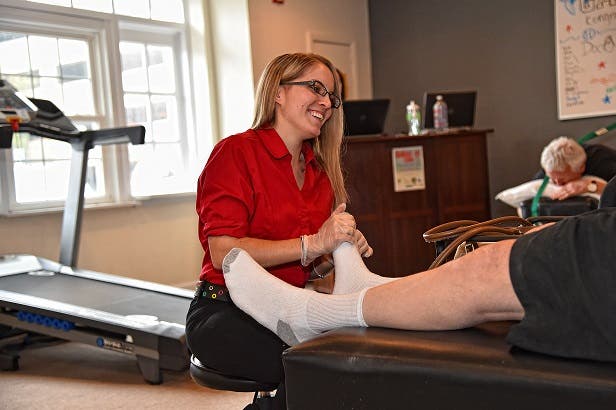
Plantar fasciitis is often described as heel pain which is felt when first rising in the morning, and dissipates as the day progresses. It is a common problem that can have a variety of causes: flat feet or high arches, excessive running, or even an increase in physical activity.
These and more can cause the plantar fascia, the layer of soft tissue on the undersurface of the foot, to become inflamed. The plantar fascia originates at the bottom of the heel, which is typical location of the pain from plantar fasciitis.
Plantar fasciitis is a conditions that should be treated as soon as possible. Just because the pain goes away by the end of the day does not mean that the condition has resolved. The pain goes away because walking throughout the day provides a mild stretch which can temporarily reduce the inflammation. However if left untreated, the inflamed plantar fascia will continue to tighten and tug at the heel, which can lead to painful heel spurs in the bone.
Find out what's happening in Red Bank-Shrewsburyfor free with the latest updates from Patch.
At Monmouth Pain & Rehabilitation, there are a variety of treatments available to help treat plantar fasciitis:
- Cold laser therapy can accelerate cellular activity and promote faster healing.
- Power plate can increase circulation and loosen tight tissues.
- Chiropractic adjustment can help mobilize stiff joints in the foot.
- Instrument Assisted Soft Tissue Mobilization can break down adhesions in the soft tissues in the foot.
- Active Release Techniques can help stretch the plantar fascia and surrounding soft tissues.
Pain from plantar fasciitis can cause alterations in gait (walking movement pattern) and posture due to a compensation mechanism that the body incorporates, which causes other joints in the body to become overworked. It is important to also have posture and spine biomechanics assessed and subsequently treated to address compensation and prevent future onset.
Find out what's happening in Red Bank-Shrewsburyfor free with the latest updates from Patch.
Due to the nature of the tautness of the plantar fascia, treatment can be painful at first. The goal of the treatment is to break down adhesions, reform the tissue fibers, and increase movement. It is not uncommon to find residual bruising on the foot after treatment, which is a positive response, indicating the effectiveness of the treatment.
Patients can often feel a decrease in tightness at the bottom of the foot immediately after treatment. It may take a few visits to reach longterm benefit. Your doctor may also recommend stretches and exercises at home to maintain the results. To learn more about our Monmouth Pain and Rehabilitation Plantar Fasciitis Treatment Plans visit our website, www.monmouthpain.com or call our office to make an appointment at 732-345-1377.