Neighbor News
Meltdown: Macy’s Announces Store Closings & Layoffs
Macy's announces that they will be closing 68 stores and laying off 10,000 workers after dismal holiday sales figures were released.
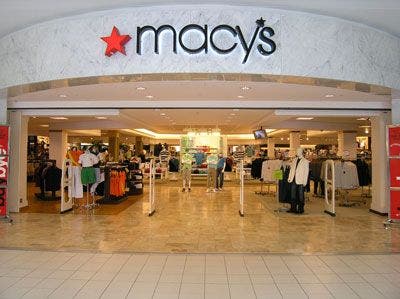
Macy’s became the latest retailer to report signs of major trouble following what was a disappointing holiday season for them in total sales. The press release was enormous and within all of that data is the reality that the iconic American department store brand will shutter 68 stores and slash 10,000 jobs.
The layoffs include about 4,000 seasonal employees which is not unusual for a retailer of that scale and magnitude to bring in that much extra holiday help and then move on with much smaller staffing levels. However, the over 6,000 jobs lost from the store closures is a distressing statistic which is indicative of the new retail landscape impacted by online shopping.
Macy’s even noted in their press packet today that their online orders even for smaller items in cosmetics and housewares continue to see sales growth and represents most definitely the future of their business.
Find out what's happening in Rumson-Fair Havenfor free with the latest updates from Patch.
The financial markets responded accordingly with Macy’s stock being down about 9% at the close of Wednesday trading. The holiday discounts on items from jewelry to clothing could not gain enough traction with the consumer in order to get enough foot traffic into the stores. The unsold inventory remaining in the supply chain will have to be deeply discounted in some product areas in order to move it over the next 60 to 90 days.
The news from Macy’s comes as Sears and other retailers announced their own holiday season struggles. Kohl’s announced very disappointing sales numbers and their stock has plummeted 15% in after-hours trading according to Reuters. JC Penney and Nordstrom also reported very weak holiday sales numbers which had both of their respective stock prices down around 5% on Wednesday.
Find out what's happening in Rumson-Fair Havenfor free with the latest updates from Patch.
All of these retailers have one thing in common: they were crushed this holiday season by the online retail goliath known as Amazon. The orders processed by Amazon were through the roof over the past two months, leading what retail experts say overall will be an approximately 4% higher sales growth at the holiday season for total retail sales.
Macy’s, meanwhile, has to recalibrate their brand and their messaging in a marketplace where the demand for soft goods such as clothing, handbags, and other accessories has softened pretty significantly.
The company estimates that the store closures (68 were announced today and a total of 100 store closings are part of a larger planned detailed at another point) scheduled for 2017 will provide a cost savings of $550 million. The cost though is in jobs to people who undoubtedly have experience in retail and could have difficulty finding other employment in this challenging landscape for traditional brick and mortar retailers. That is the sad cost of the news shared by the company.
Furthermore, Macy’s expects through the layoffs and store closures to have around $250 million to invest into their online shopping service offered on their company website. This touches on what I maintain will become a very important trend in spending by national retailers in the future. The spending will be focused away from the in-store experience and toward the on-line shopping functions.
However, I think the national retailers could also invest in tools that allow shoppers to buy products more readily from other platforms like social media and other forms of new media that will come down the pipeline. That is the real value of maximizing the customer interaction with all of that functionality combined into a single platform.
The next six months will be critical for Macy’s and other retail brands as they look to recalibrate their respective brand images amid an ever changing terrain in this industry. It has become essentially survival of the fittest, and time will tell which brands and retailers will be able to adapt and which will close the doors for good.