Community Corner
Never Cry Clay... and other soil fables
A trip to the Rutgers Soil Testing Laboratory debunks a few commonly held myths
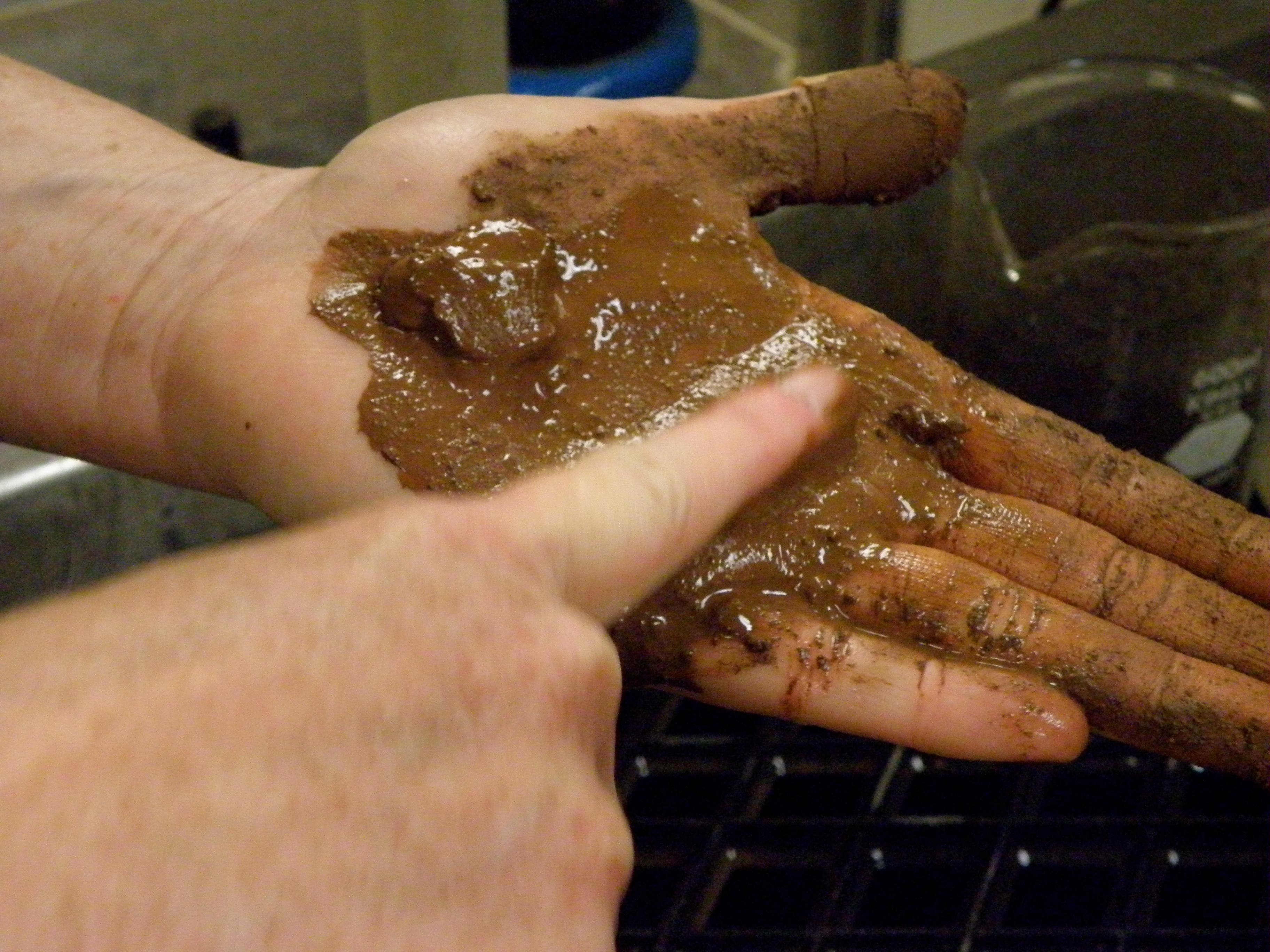


We've all heard it before, from the neighbors, the guys at Home Depot, even from gardening professionals: everyone is constantly bemoaning the fact that South Orange is plagued with clay soil… dreaded, horrible, sticky clay! After hearing it all the time, I too assumed I wouldn't be able to grow anything unless I trucked in completely new soil and used the old stuff to sculpt clay pots and ashtrays. I would refer to my "clay soil" when shopping at the garden center and people would nod knowingly, all of us feeling an "us-against-clay" camaraderie.
However, in a recent visit to the Rutgers Soil Testing Laboratory I was set straight by soil scientist Loren Muldowney, who told me that the only place you'll find true clay is about 20 feet underground. "What people think is clay is actually a silt loam," she said. Muldowney went on to explain that there are three types of particles that make up soil: sand, which is the largest; silt; and clay, which is the smallest. The different particles determine the way in which the soil behaves. Muldowney, who has years of experience under her belt, can differentiate the various soil types by texture and sight, but there is also a test that measures the specific gravity of the particles and can pinpoint the percentages of each particle in a soil sample. The different percentages determine the type of soil you are working with, i.e., silt loam, silty clay, sandy loam, sandy clay, etc. (see the image of the Textural Triangle.)
The ideal soil for gardening is loam, however, most plants are well adapted to grow in many different types of soil. The silt loam ubiquitous to this area is actually a great soil to work with, despite what you may have heard. The clay that is present in it holds onto nutrients and retains water, as opposed to sandy soils in which most nutrients and water tend to leach out. The problem with silt loam is that it is subject to compaction, which occurs when the soil is worked (tilled, mowed, or walked on) while wet.
Find out what's happening in South Orangefor free with the latest updates from Patch.
To illustrate how compacted silt loam behaves, Loren had me take a clump of wet soil and form it into a cube. After drying out for a week or so, the cube became as hard as a rock, literally. I can throw it on the ground and it's no worse for the wear - great if you want to create a sculpture, not so great for plants' roots trying to work their way deep down into the earth. (Check out the video to see for yourself!) To counteract this problem, be sure to build lots of organic matter (compost) into your beds, and never, ever work the ground while it is wet!
Muldowney, who has been an organic gardener for decades, couldn't say enough about the importance of compost for improving the soil. She composts everything she can, at home and at the lab. In fact, loath to waste anything, she grows tomatoes and leafy greens in a raised bed behind the lab using soil samples that would have otherwise been discarded. But, as much as Loren is a compost advocate, she fears that people have gone a bit compost-crazy. She was quick to point out that while compost is great, we shouldn't discount the soil we already have in our yards which is filled with macro- and microorganisms that are essential to our gardening success. She worries that people think the soil they have is just garbage and that if adding some compost is good, than more must be better. "People are putting up to 50% compost in their gardens, when the soil they have is perfectly fine. The most compost you need is about 10% [by volume], which is plenty considering the soil probably had some organic matter to begin with." In fact, too much organic matter can lead to poor drainage and excessive water retention, which increases the risk of soil-borne fungal diseases.
Find out what's happening in South Orangefor free with the latest updates from Patch.
This also brings up the point of people replacing their own soil with "organic" soil, especially when growing vegetables. In fact, there are no legal organic standards for anything other than food, so technically there is no such thing as organic soil. Many people fear lead in their soil, which is a valid concern considering most of the homes in this area are close to a hundred years old. But Muldowney reassured me that lead is not very soluble and for a crop like tomatoes the risk is very low. To be on the safe side, position your vegetable bed at least 10-15 feet away from your house or garage and get a soil test which can detect lead, as well as soil fertility, pH, and nutrients.
So get out there and get acquainted with your dirt! And the next time you start to complain about your clay soil, stop yourself and instead brag to everyone about your beautiful silt loam. So often in life we don't appreciate what we have, but in this case there is a rich world living right under your feet just waiting to help you along in your gardening endeavors.