Community Corner
Transition from School to Summer Can be Stressful for Children
A Seton Hall professor advises that parents sit down with their children to reflect on accomplishments and regrets over the past year.
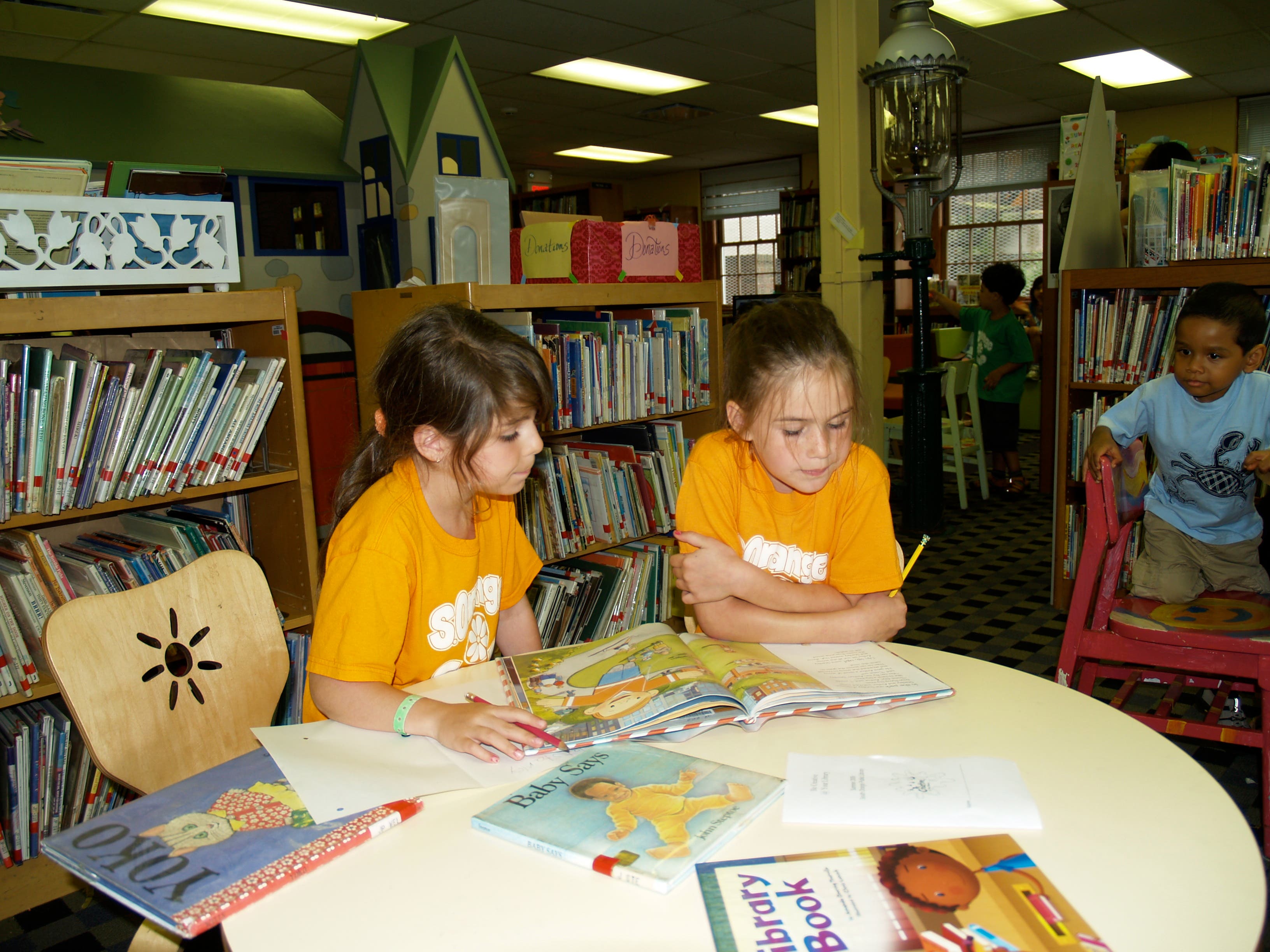


Summertime, and the livin’ is easy … or is it? A Seton Hall school counseling professor says the transition from the school year to summer can be stressful for both children and adults.
“Transitions generally engender mixed feelings," said Dr. Peggy Brady-Amoon, a first-year assistant professor of Professional Psychology and Family Therapy. "Even when children are looking forward to something, there is anxiety over the end of a time period.” She added that the transition can be especially stressful for children who enjoy school and the structure it provides.
“Even young children are aware that this period of time has come to an end, that they will never be a fourth grader again or may never again be in class with the same friends. They may start to reflect on what could’ve been done better or what mistakes were made," she said.
This is where, she says, parents can step in and ease the transition. She recommends sitting down with children and discussing the year that was, looking back on any regrets—and accomplishments—and thinking of ways to improve upon them in the coming school year.
Al Phillips was at the South Orange Public Library last week with daughters Samantha, 6, and Allison, 4. He noticed a bit of that apprehension in June when Samantha finished her first year of elementary school.
Samantha “doesn’t like change,” he said. “She was sad to see kindergarten end; she thought she wouldn’t see her friends over the summer.” He reassured his daughter that she would see friends at camp, and her sadness soon gave way to enjoying a carefree summer of camp at the Baird, play-dates, library visits and spending more time with her grandparents.
The next step in easing the transition is setting reasonable goals to ensure summer is enjoyable and relatively stress-free, said Brady-Amoon. Parents and children should work together on this task. Goals should include “safe opportunities to interact with other children," as well as to grow individually. She suggests a range of options, including playgroups, reading for an hour a day, trips to the library, and enrolling in summer camps.
It's important to make sure the goals work for each family. Schools often give lists of summer activities to accomplish, but these may not work for every family’s schedule. Phillips said Samantha’s elementary school gave parents a “very regimented” list of summer learning activities, which his family has had a hard time following. It seems a bit excessive, especially for kindergarteners.
Brady-Amoon says half-day camps are a good resource because they're “a way to put some structure in without overwhelming [the child].” They leave time for free play, an essential summer activity.
“A lot of child development theorists have made the point that play is children’s work; playtime is when children figure out who they are, practice imaginary games, practice life as an adult and really tap into their creative power and imagination,” Brady-Amoon said. “So much is achieved in informal play. There are also advantages to structured play, and the challenge is finding the balance.”
She emphasized that summer doesn't have to be overwhelming for parents. “Perhaps our problem is that parents feel that it is their responsibility to entertain—not trusting children can entertain themselves.” Parents are responsible for structuring the day and providing opportunities for fun, not the actual entertainment.
Planning summer activities can be stressful on parents, and SOPL Director Melissa Kopecky remembers the stress of planning summer activities as a working mom. “As parents, you’re constantly trying to avoid hearing ‘I’m bored’ or ‘There’s nothing to do,'” she said. This is where parents can utilize free town resources, such as library activities.
Mav Capato brings her summer playgroup to the library often. “I love the library; we’re here four days a week and will probably go over to the Maplewood library at 4 [p.m.],” she said last week. Capato watches six children throughout the day, giving parents a flexible daycare option without having to schedule a babysitter. Parents can utilize her services for a couple of hours at a time or for the full day, from 7:45 a.m. to 7:45 p.m. She works with the parents and children to meet summer goals, such as reading individually, but most of the day is devoted to free play, with no TV or computers. “We’re never bored,” she said.
The SOPL’s Web site includes a calendar listing the extensive summer reading and activity programs offered this year. Programs are open to all, with no pre-registration required.

![2,325 Students Earn Diplomas From Seton Hall University [WATCH]](https://patch.com/img/cdn20/users/22844250/20260519/032716/styles/patch_image/public/55278277363-6da6b3e950-o___19152531198.jpg)