Neighbor News
Testing and Treatments for Dementia and Alzheimer's Disease
Overlook Medical Center hosts community education forum for patients and caregivers
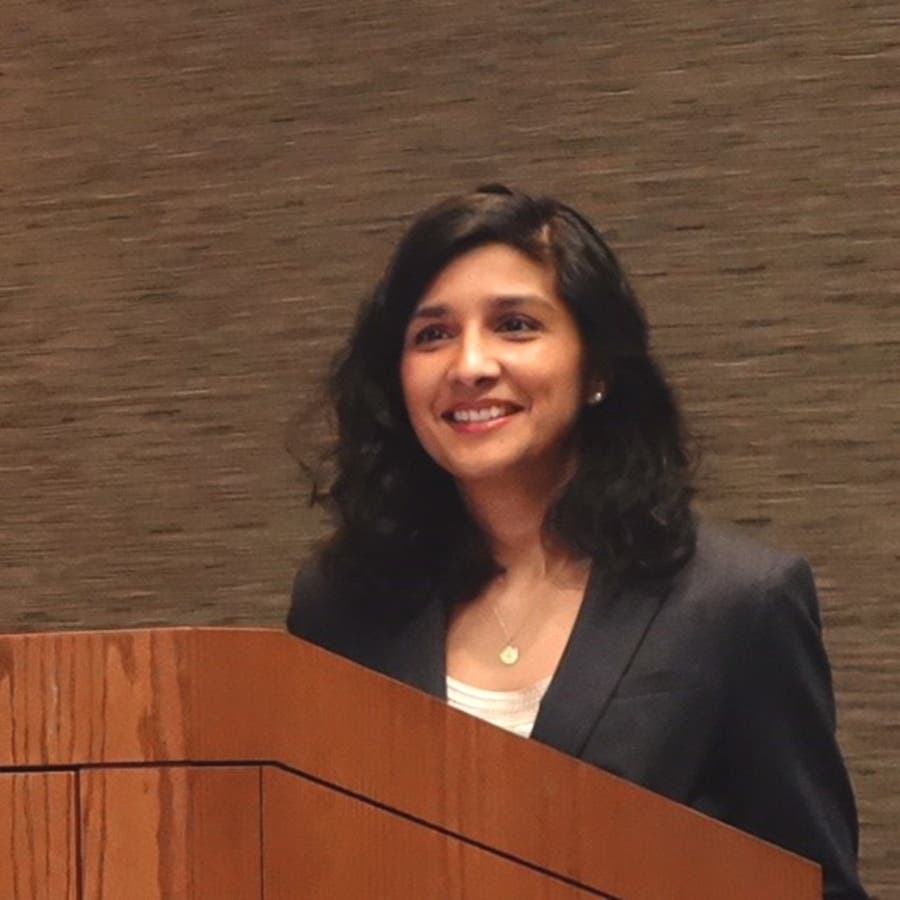
Between 12 and 15 percent of people with Mild Cognitive Impairment (MCI) develop Alzheimer’s Disease, but “not everyone with MCI progresses to Alzheimer’s Disease or other types of dementia. "Some people stay the same and other people can improve,” said Dr. Anjali Patel, a memory and cognitive neurologist at Overlook Medical Center. In her talk, Dr. Patel said, as we get older, “our brains and our bodies slow down. For some, even if it takes more time to process information, their intelligence remains the same.” Others complain they have memory problems but can live independently.
More than 100 people attended “A Day to Remember: A Conference for Those Living with Memory Loss,” on Saturday, March 24, at Overlook Medical Center.
Dementia is the loss of cognitive functioning and behavioral changes that affects daily life. Alzheimer’s Disease is the most common form. In 2017 about 5 million people in the U. S. and 170,000 in New Jersey had the disease. Symptoms include difficulty remembering recent information, misplacing things, getting lost, decreased or poor judgement and changes in mood or personality.Testing and screening for dementia and memory disorders is available at Overlook Medical Center’s Memory and Cognitive Disorders Program, part of the Atlantic Neuroscience Institute.
Find out what's happening in Summitfor free with the latest updates from Patch.
There are only two types of medications on the market that can slow the progression of Alzheimer’s and none that can stop or reverse the damage.
Dr. Michele Papka, director of The Cognitive and Research Center of New Jersey, LLC spoke on Research in Dementia. She reviewed the role of Amyloid plaques and Tau proteins in Alzheimer’s and explained stages of clinical drug trials, all of which are focused on slowing the progress of the disease.
Find out what's happening in Summitfor free with the latest updates from Patch.
She called the urgency of finding new medications “a race against time,” and added while there is a lot of money being spent on finding a way to slow the progression of, or cure, Alzheimer’s, "the biggest obstacle to finding a cure is the lack of participants for studies. Sometimes 70-90 percent of people who apply for a trial don’t meet the criteria for the trial," she said.
Alice Sloop, the director of nursing and director of Home Care at SAGE Eldercare, ran a break-out session on caring for dementia patients. She offered a number of tips, including “Therapeutic Fibbing,” because when you are dealing with memory issues “every time can be a first,” she said. "If someone is looking for his wife, don’t tell him she died years ago – it will be as painful to hear as it was the first time he learned of the death. So, say, instead, 'She’s not here,' and if he asks when she will be back, say, 'I don’t know.' We’re trying to be compassionate and caring. The best thing to do is what works for them,” she said.
Above all, stop saying, “Don’t you remember?” During the early stages of the disease it can be very painful to be reminded their memory is failing, she said.
Dr. Matthew Barnas said behavioral disturbances are very common when dealing with people with dementia. He recommended considering the patient’s quality of life – if your husband is sitting on the couch staring at TV all day, it may hurt the family, but “it’s a sign of apathy, not depression, so let it go."
He recommended structured routines, using simple language and to let the patient vent. "Even if their complaints or concerns are not reality based,” he said.
Sometimes it is necessary to use medications to change behavioral issues which could otherwise result in institutionalism. “If we can calm the symptoms, we can prevent that,” he said.
Dr. Federico Cerrone a pulmonologist at the Atlantic Respiratory Institute said, “Sleep and neurological issues go hand-in-hand. Lack of sleep can cause depression, cognitive decline, risk of accidental falls and more,” he said. Dr. Cerrone is also director of the Atlantic Sleep Center at Overlook Medical Center.
The use of a CPAP to treat sleep apnea will help with daytime sleepiness and memory issues and research shows it “slows the progress of dementia,” he said.
He recommended sleeping in a room with no TV or other electronics; limit afternoon naps to 30 minutes; don’t eat if you wake up during the night and, if you have insomnia, go read something “boring.”
For more information about testing and treatment options, contact the Memory and Cognitive Disorders Program at 908-522-2829.