Arts & Entertainment
Author Publishes Book Inspired by Vietnam POW Bracelets, Visiting Toms River
John Siegfried traveled thousands of miles over two years to speak with Vietnam vets and their families about life on and off the battlefield.


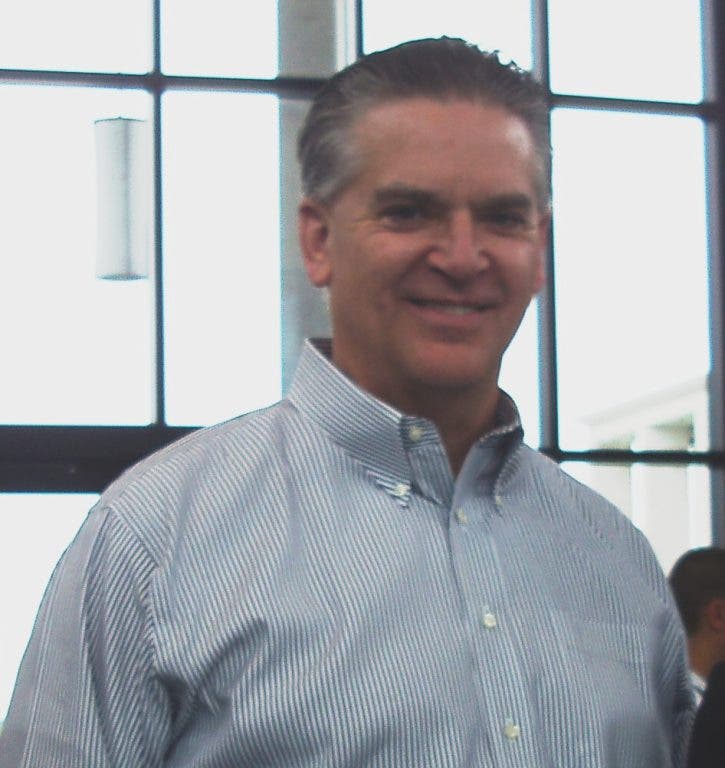
In 2009, when historian/author John Siegfried came across a silver POW/MIA bracelet owned by his mother-in-law, he knew immediately what he had to do. A book about the Battle of Gettysburg he had been working on since 1997 was placed on the back burner as Siegfried got to work on a new project: Tracking down the whereabouts of the person whose name was on that bracelet.
"It was like a vision, I needed to get work on ths right away," said Siegfried, on the phone from his home Warminster.
The bracelet was one of millions sold in the early 1970s when a group of women from California created them to raise awareness of the thousands of soldiers who had been captured or gone missing during the Vietnam War. Each bracelet was engraved with the name of the military member, rank, branch, loss date and country of loss.
Find out what's happening in Toms Riverfor free with the latest updates from Patch.
Colonel Myron Donald was the name on the bracelet Siegfried found, and after conducting online research, he successfully found Col. Donald's contact info, called him up and made an appointment to visit the retired officer at his home in Tucson, Ariz.
"I flew down out there in February 2010 to ask if I could use his story for my book," said Siegfried. "Then, I flew out again in May 2010 and interviewed him for three to four hours."
Find out what's happening in Toms Riverfor free with the latest updates from Patch.
Col. Donald's story of how he was shot down on Feb. 23, 1968, during the Tet Offensive and held captive for five years at Hoa Lo prison, otherwise known as the Hanoi Hilton, is one of almost 30 personal accounts Siegfried has compiled and published in his book, Six Degrees of the Bracelet: Vietnam’s Continuing Grip (Xlibris Corporation).
Siegfried crissed-crossed the country and amassed thousand of miles over two years in air and road travel to conduct interviews and is adding even more to attend book signings and presentations.
On Friday morning, Veterans Day, Siegfried will head to in Toms River, N.J., for the book's official launching. After some appearances in the Washington, D.C. area, Siegfried will be back in the area for a signing on Nov. 23 at the in Feasterville, 2-10 p.m.
Siegfried's goal with the book is to give more insight into the realities of war and what life is really like on the battlefield. Each person he interviewed, representing all branches of the service and both sides of the war, had their own unique stories, but carried similar themes.
"There were several common threads to be found," said Siegfried. "War is hell, and most of the soldiers just did not know what they were getting into. Each one also talked about the benefits of a military career, the training discipline and education that they received. And there was also a heavy rate of post-traumatic stress disorder (PTSD). The fog of war changed their lives forever."
Siegfried's number was part of the draft lottery in 1970, but he was never called up. He went on to college and majored in history at St Joseph's University and worked in the retail industry for many years. He and his wife, Donna, and his two daughters moved to Warminster in 1989, where they started a marketing research firm. While the only personal connection to the military is a grandfather who served in the hospital corps in World War I, Siegfried has always felt a deep connection to the armed services.
"I'm just a very military guy," he said. "I want to better my understanding of how you react during combat, and I want to turn the light on for civilians about how war affects a soldier's entire life."
Siegfried laments how Vietnam veterans were generally treated when they returned home from the war. The public's anger over the long conflict spilled over to the soldiers that did their duty, he says.
"They were vilified for risking their lives, instead of welcomed back as warriors," said Siegfried. "Many of the people I talked to said they wouldn't tell their wives and girlfriends they were Vietnam vets because they were afraid of a negative reaction."
The American public has learned from its post-Vietnam reactions, Siegfried says, and changed its attitude toward soldiers that have fought in unpopular wars, whether they were in Southeast Asia 30 years ago or in the Middle East less than 10 years ago.
"They know now that they can support the troops without supporting the war," he said. "A friend of mine in the secret service once said that the Vietnam vets are some of the most honorable folks he's ever met because they have a strong moral compass."
Percentages of proceeds from the book will be donated to various veteran organizations, including Veterans-for-Change, Inc., the Philadelphia Vietnam Veterans Memorial Society and the Marine Corps-Law Enforcement Foundation, which benefits families of Marine officers and law enforcement officers killed in the line of duty.
Get more local news delivered straight to your inbox. Sign up for free Patch newsletters and alerts.