Community Corner
Best Value Awning Repair Services in Ocean County, NJ, After June 2026 Storm Damage
Learn how to inspect storm damage and choose qualified repair professionals in Ocean County, NJ, after severe weather.
This is a paid post contributed by a Patch Community Partner. The views expressed in this post are the author's own, and the information presented has not been verified by Patch
Ocean County homeowners are assessing the aftermath of thunderstorms that battered areas like Point Pleasant Beach and Brick Township. If your awning sustained damage, you're likely searching for the best value awning repair services around Ocean County, New Jersey. The right company can help restore your protective fixture before the next severe weather event.
The June Storm's Destructive Path Across Ocean County
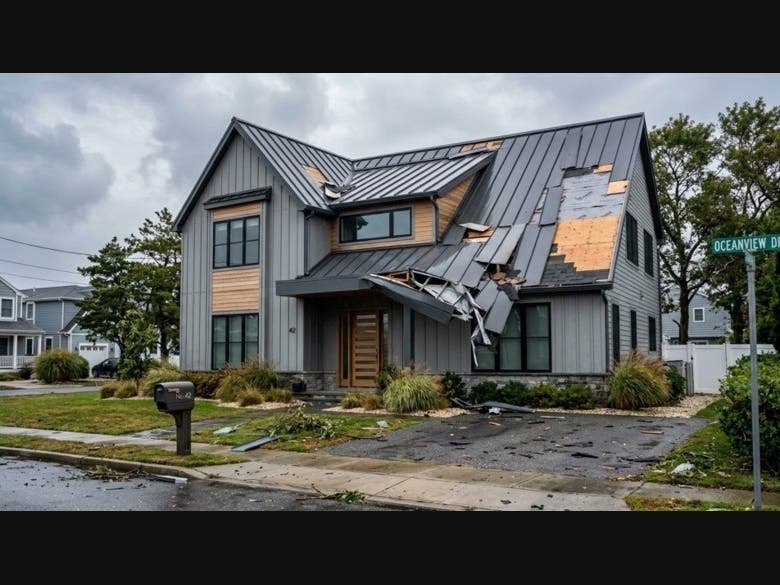
Severe thunderstorms battered New Jersey throughout June 2026. From June 6-7, a major storm system brought wind gusts up to 75 mph and knocked out power to more than 42,500 people statewide. It fell trees across Central and North Jersey, snapped branches and compromised outdoor structures like awnings.
On June 7, the National Weather Service issued a specific warning to Ocean County residents about severe conditions. Reports showed that strong winds and hail as large as 1 inch affected Point Pleasant Beach, Brick Township, Manasquan and Bay Head communities.
Hailstones 1-1.75 inches in diameter fall at speeds between 25 and 40 mph, and their substantial impact force can damage even sturdy surfaces. They can crack or bruise older asphalt roof shingles, knock away protective granules and cause catastrophic roof leaks. Awning fabrics and frames face similar risks, as hailstones can tear fabric, dent metal components and compromise structural integrity. Strong gusts can heighten their effect.
Your Post-Storm Awning Inspection Checklist
A thorough inspection can help you identify issues before they worsen while providing your repair professional with detailed information about what needs attention.
Check for Fabric Tears and Punctures
Start with a visual bottom-up inspection of your awning fabric. Rely on sunlight to spot pinholes and punctures that dim conditions might hide. Check the seams carefully for any loose or broken threads that strong winds may have ripped or unraveled.
Assess the fabric's overall integrity by checking if it feels brittle, stiff or chalky to the touch. Keep an eye out for stretching that shows up as sagging areas or pockets that droop lower than the rest of the fabric.
"After servicing Ocean County homes since 1968, we've seen how quickly minor fabric damage escalates," explains Bob Nosti, President of Liberty Door and Awning. "Storm winds don't just tear fabric — they test every seam and stress point. Small tears let moisture penetrate the fabric backing, and once water gets in, deterioration accelerates. Document everything you find during your inspection, even damage that seems minor."
Assess for Bent or Broken Support Arms
Look for any obvious structural damage while keeping the awning completely closed. Check for visible bowing, twisting or warping on the arms. The wall mounting brackets should sit completely flush against the exterior wall with no gaps, stripped screws, loose hardware or separation. Ensure the support arms nest precisely into their tracks or channels.
Watch and listen for anything unusual while operating the system. "The mounting hardware is what most homeowners overlook," notes Nosti. "Awning systems rely on multiple connection points — brackets, fasteners, and support arms that all work together. Storm winds generate tremendous lateral forces that gradually loosen hardware, sometimes over multiple weather events. If you hear grinding, feel resistance, or notice the arms don't retract smoothly, that's your system telling you something shifted or loosened during the storm."
Test Retraction Motors and Sensors
Power surges and high winds can harm the electronic components of retractable awnings, so exercise caution when testing a potentially faulty motor.
Test the motor by operating it briefly to see if it responds normally. Check the fuses and power connections to rule out simple electrical issues. Listen for unusual grinding, clicking or straining sounds that suggest internal wear, then assess the wiring connections for any visible deterioration, corrosion or loose terminals.
If your system includes wind, motion and rain sensors, test their functionality. These sensors protect your awning by triggering automatic retraction in severe weather, so confirming their operation helps ensure your awning remains safe during future storms.
How to Find a Trustworthy Awning Repair Company in 3 Steps
The company you choose should offer both technical expertise and reliable service, particularly when dealing with storm damage that may involve insurance claims or urgent repairs.
Step 1: Prioritize Local Experience
Companies with experience in Ocean County understand the specific climate and weather patterns that affect awnings in this region. June 2026 alone saw multiple severe weather events, including thunderstorm warnings on June 7 and June 22 with wind gusts reaching 60 mph across Ocean County — conditions that can cause significant awning damage. Local experts are also familiar with local building codes and homeowner association requirements. That means you can expect faster response times when you need urgent repairs.
Local contractors know which mounting techniques work best for the sandy soil conditions common throughout the region and how to account for the wind load requirements specific to coastal New Jersey. They're also familiar with local building codes, municipal permit requirements and homeowner association restrictions that can affect repair methods and material choices.
Geographic proximity translates to faster response times when you need urgent repairs. A local company can typically assess storm damage within 24 to 48 hours rather than waiting a week or more for an out-of-area contractor. This speed matters when you're dealing with torn fabric that's letting water reach your home's exterior or damaged hardware that's creating a safety hazard.
"Proper installation makes all the difference in how awnings perform during severe weather," explains Bob Nosti, President of Liberty Door and Awning. "We've repaired countless systems after storms, and the pattern is clear — awnings that were correctly anchored into solid blocking, with fasteners spaced appropriately and mounted to structural members rather than just siding, consistently outperform those that weren't. A professional installer who understands local wind loads and building construction can ensure the awning is anchored and mounted correctly, maximizing wind resistance."
Experienced local contractors can also recommend maintenance practices and reinforcement options specific to your system type and coastal exposure level. They understand which fabrics hold up best in salt air, when tension adjustments prevent fabric fatigue, and which hardware upgrades make sense for properties in high-wind zones.
Step 2: Consider Credentials and Consistency
Proper credentials protect you from liability issues and ensure quality work. As of January 2024, New Jersey implemented new requirements under the Home Improvement and Home Elevation Contractor Licensing Act (P.L. 2023, c. 237). All home improvement contractors in New Jersey must be legally registered with the Division of Consumer Affairs and maintain current registration through the state's licensing portal. Verify that any company you consider holds appropriate licensing for your area through the Division's online verification system.
Your contractor must also carry proper liability insurance and workers' compensation coverage. Manufacturer certifications that demonstrate specialized training are also green flags.
Additionally, check recent customer reviews to gain insight into their reliability and the quality of their work. Under the Federal Trade Commission's Consumer Reviews Rule (effective October 2024), companies are prohibited from using fake reviews, suppressing negative feedback, or soliciting reviews without proper disclosure. The FTC began enforcement in December 2025, sending warning letters to companies for violations, including compensating for five-star reviews. The FTC recommends looking at “a variety of sources, including well-known websites that have trustworthy and impartial expert reviews” when researching contractors.
Choosing the same company for installation and ongoing service creates a valuable long-term relationship. Your contractor will know everything about the system and the installation process, making maintenance and repair much easier.
Step 3: Ask About Service Warranties
According to Kevin Brasler, an executive editor of a nonprofit that rates service providers in America, “A good warranty — one that’s long, covers key parts, and has a simple process for resolving problems — indicates that the manufacturer is confident that its product will last.”
Service warranties protect your investment by guaranteeing the quality of repair work and separating reputable companies from those unwilling to stand behind their work. A comprehensive warranty helps you avoid unexpected bills if the same issue recurs shortly after repair.
Quality awning manufacturers typically provide 10 to 15-year warranties on structural components, with fabric warranties ranging from 5 to 10 years. Look for repair companies that honor manufacturer warranties and offer their own service guarantees for workmanship — typically ranging from 1 to 3 years on labor and installation.
Experienced professionals with strong warranty policies can also help you identify issues that might fall under your awning's manufacturer’s warranty. For example, they can help you deal with stains that could void the warranty if they’re not handled properly, or document storm damage properly for insurance or warranty claims.
Frequently Asked Questions
Here are the answers to common questions about awning repair.
Do awning repair companies in Ocean County offer free estimates?
Yes, most reputable awning service companies in Ocean County offer free estimates for repair work. The estimate process typically involves a technician visiting your property to assess the damage, measure components and provide a detailed quote. Getting multiple estimates allows you to compare pricing and services before making a decision.
How much does awning repair cost compared to replacement?
Repair costs typically range from a few hundred dollars for minor fabric patches or mechanical adjustments to over $1,000 for extensive structural work. A complete awning system replacement will cost considerably more, depending on size, style and features. If damage affects more than 50% of your awning or involves major structural failure, replacement is often more cost-effective than extensive repairs.
Are there any local companies that specialize in retractable awning repair?
Yes, several Ocean County companies specialize in the repair and installation of retractable awnings. Liberty Door and Awning, a family-owned business serving Ocean County since 1968 and a Better Business Bureau member since 1988, serves the Ocean County area with expertise in these systems alongside garage doors, entry doors, windows and hurricane shutters.
When evaluating companies that specialize in retractable awning repair, verify their specific experience with motorized systems. These require specialized knowledge of components and tension mechanisms.
What storm damage should I look for after severe weather in Ocean County?
Ocean County experienced severe thunderstorm warnings on June 7 and June 22, 2026, with wind gusts reaching 60 mph — conditions that commonly cause awning damage. After high-wind events, inspect your awning for:
- Torn or punctured fabric, especially along seams
- Bent or twisted support arms
- Loose or separated mounting brackets
- Hardware that has pulled away from the wall
- Difficulty extending or retracting the awning
According to the National Weather Service, winds of 58 mph or higher can cause damage to roofs, siding, and exterior structures like awnings.
How do I verify an awning contractor's credentials in New Jersey?
All home improvement contractors in New Jersey must be registered with the Division of Consumer Affairs under the Home Improvement and Home Elevation Contractor Licensing Act. Verify credentials by:
- Checking registration through the New Jersey Division of Consumer Affairs online verification system
- Confirming current liability insurance and workers' compensation coverage
- Reviewing multiple sources for customer feedback
Under the Federal Trade Commission's Consumer Reviews Rule (effective October 2024), companies are prohibited from using fake reviews, suppressing negative feedback, or offering compensation for positive reviews. The FTC began enforcement actions in December 2025.
Protecting Your Home Investment
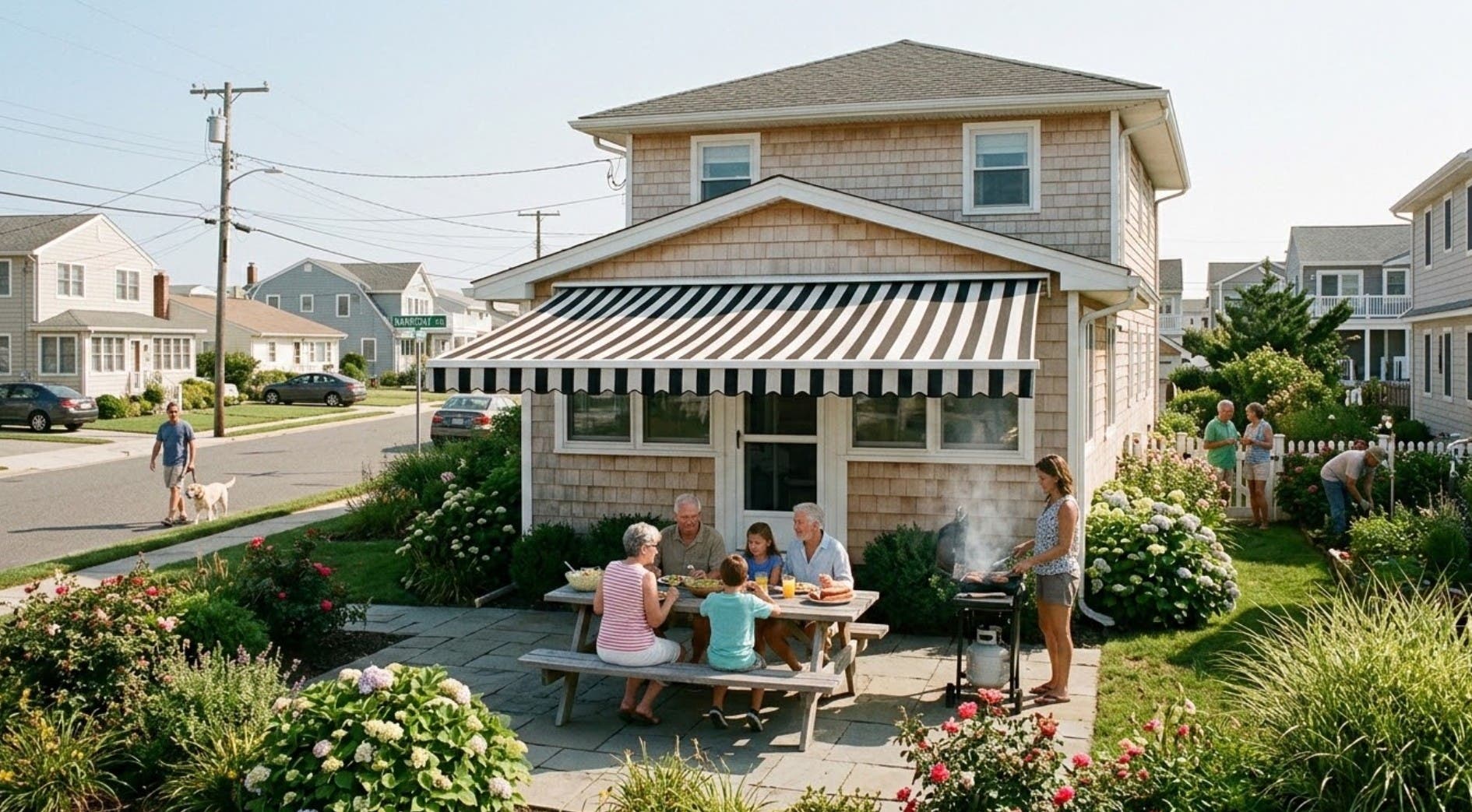
Protecting your awning investment starts with timely inspection after severe weather. Act quickly on visible damage to prevent minor issues from becoming costly replacements. Knowing when to call service professionals can help you make informed decisions about repair versus replacement. Prioritize hiring a vetted, experienced service provider who offers transparent pricing and stands behind their work with solid warranties.
This post is an advertorial piece contributed by a Patch Community Partner, a local brand partner. To learn more, click here.