Schools
Lead Testing Results In For 2 Toms River Schools
Breaking: The testing was mandated by the state for all New Jersey school districts.


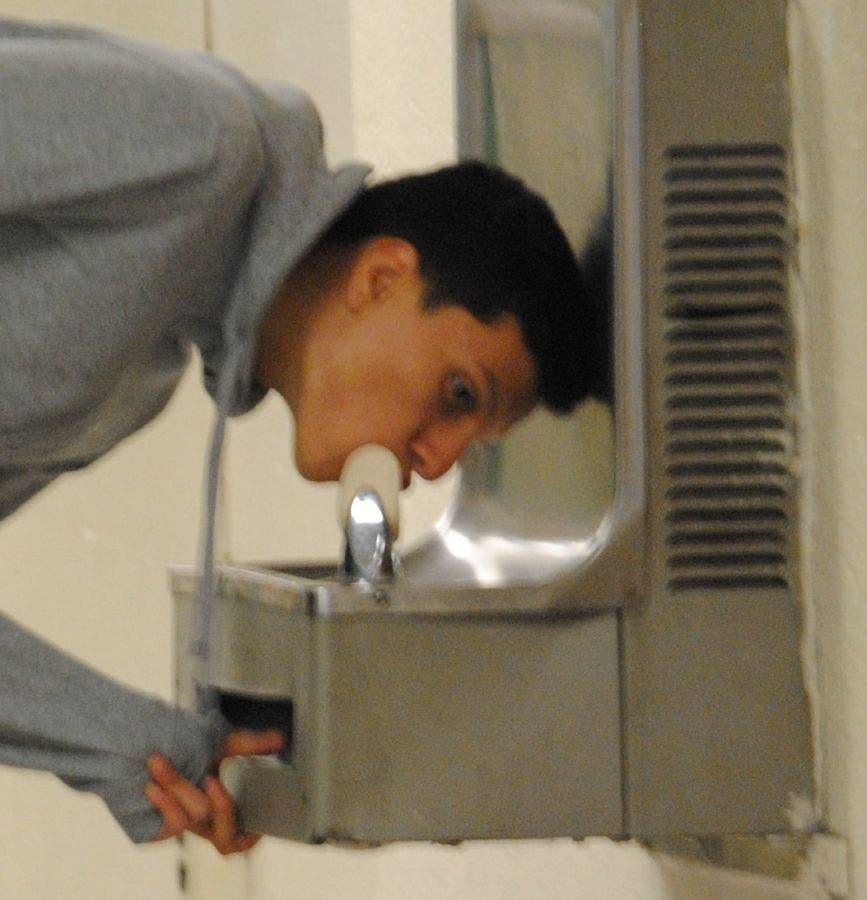
TOMS RIVER, NJ — Lead testing is underway in the Toms River Regional School District, and results for two of the district's 18 schools show elevated levels in some faucets, though none of them are used for drinking, district officials said.
Letters sent to parents of students at West Dover and Washington Street elementary schools dated Feb. 8 said testing at those two schools identified lead levels exceeding the EPA standard of 15 parts per billion in some of its faucets. Testing at the other 16 schools in the district lies ahead.
West Dover had four sources that exceeded the 15 ppb, while Washington Street had seven, according to the letters. Information on how many sites were tested in each school was not immediately available, but the state regulation requires schools to test every water outlet, from classroom "bubbler" fountains to custodial closet sinks.
Find out what's happening in Toms Riverfor free with the latest updates from Patch.
In both schools, the outlets with lead levels exceeding the standard are not used for drinking water, the district said in the letters. Signs have been posted at all of them reinforcing the message that the water is not to be used for drinking, the letters said.
The state Board of Education adopted the lead testing requirements in July in the wake of the Flint, Michigan, water crisis that grabbed national headlines and raised concerns about schoolchildren being exposed to lead in their drinking water. The Flint crisis led to testing of water in some of New Jersey's inner-city schools; results from 30 schools in Newark found lead levels as high as 35 times above the federal action limit of 15 ppb, according to a report on NJ.com. In May, Gov. Chris Christie announced that all of the state's 3,000 schools would be tested for lead exposure, and the state appropriated $10 million to help cover the costs. The 15 ppb is set by the U.S. Environmental Protection Agency as the maximum allowable level, as lead in drinking water can have serious health impacts, especially for children.
Find out what's happening in Toms Riverfor free with the latest updates from Patch.
The testing process is very involved. In Brick, where testing began in the late fall, district officials said every fountain, every bubbler, every sink, every source of water into the building must be catalogued down to the make and model of water fountains, along with any repair work done to the plumbing.
The four West Dover sites that tested high for lead were a custodial closet that was listed as a "point of entry;" a kitchen sink in the media center, and sinks in two classrooms, none of which are used for drinking water. In the two classrooms where the sinks tested high, water from bubblers used for drinking water right next to the sinks tested within safe limits, the district said. The faucets in the media center kitchen and the two classroom sinks will be replaced, according to the letter. The media center sink tested at 30.6 ppb, while the two classroom sinks tested at 27 and 75 ppb, according to the letter.
At Washington Street School, there were five classroom sinks that tested above the EPA standard. The amounts recorded in those sinks ranged from 15.3 ppb to 34 ppb, according to the letter. As was the case at West Dover, bubblers immediately adjacent to the sinks tested within safe limits, according to the letter. Faucets on those five sinks and the sink in the nurse's room, which registered a level of 28.4 ppb, will be replaced, the district said. The seventh source that tested high was in a storage room next to the boiler room. The site in question is a point of entry, the district said, and not used for drinking water.
All of the sites have signs posted that say "Not for drinking water" that will remain in place until the new faucets are in and the water has been retested, according to the district's letter.
Lead has been found to cause significant cognitive impairment, particularly in children 6 years old or younger, and drinking water is considered a significant source of the lead. Testing at the district 16 other schools is being conducted and the district will be posting the results on its website, officials said.
Photo by Karen Wall
Get more local news delivered straight to your inbox. Sign up for free Patch newsletters and alerts.