Community Corner
Pokémon Go Fans, Beware: Scammers Want Your Money
Breaking: An email scam claims users will have to pay for the app; that's a lie. Don't fall for it, the Better Business Bureau says.


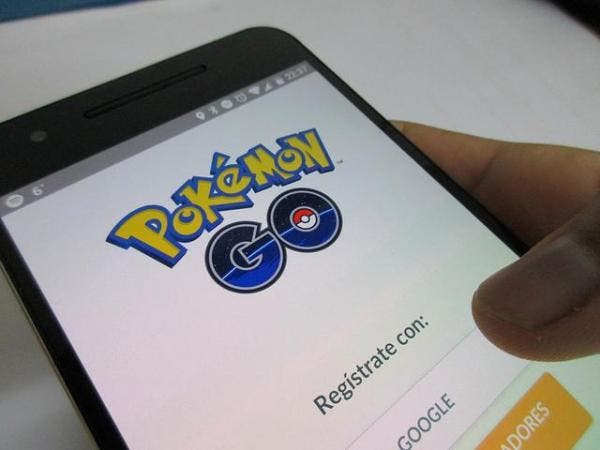
If you're one of the thousands of people who've fallen head-over-phone for Pokémon Go, beware: There are scammers using the game to get at your money.
The Better Business Bureau has issued a warning about a phishing email that scammers are using to trick gameplayers into thinking they have to pay for the game.
The game is free. And according to a report by entertainment magazine Variety, no plans for a paid version have been announced by Niantic Labs, the company behind Pokémon Go.
Find out what's happening in Toms Riverfor free with the latest updates from Patch.
The Better Business Bureau said the scam begins with an email addressed to Pokémon Go players that says, "due to the overwhelming response to our new Pokémon Go app and the need for more powerful servers we can no longer afford to keep your account as free."
The email claims there will be a charge of $12.99 per month and that those who don't upgrade will have their accounts frozen. The email goes on to urge users to click a link, log in to the app store and purchase the "full version."
Find out what's happening in Toms Riverfor free with the latest updates from Patch.
"Don't do it!" the Better Business Bureau said in its warning. The log-in form is a way to steal users' passwords and has no connection to Niantic Labs, the BBB says.
There are other Pokémon Go scams, including a fake version of the game in some app stores.
So be alert and be wary.
How to Spot a Phishing Scam:
- Be wary of unexpected emails that contain links or attachments. Do not click on links or open files in unfamiliar emails.
- Don't believe what you see. Just because an email looks real, doesn't mean it is. Scammers can fake anything from a company logo to the "Sent" email address.
- Consider how the organization normally contacts you. If an organization normally reaches you by mail, be suspicious if you suddenly start receiving emails or text messages without ever opting in to the new communications.
- Be cautious of generic emails. Scammers try to cast a wide net by including little or no specific information in their fake emails. Be especially wary of messages you have not subscribed to or companies you have never done business with in the past.
Read Variety's coverage of the scam on their website.
Patch file photo
Get more local news delivered straight to your inbox. Sign up for free Patch newsletters and alerts.