Arts & Entertainment
Wall Street Journal Obituary Writer to appear at Westfield Library
James Hagerty, writer of more than 900 obituaries for The Wall Street Journal, will explain why & how you should write your own life story.

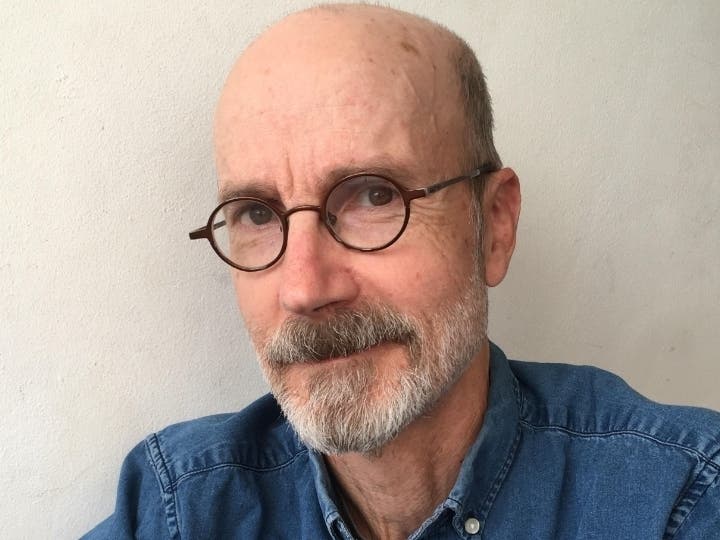

James R. (Bob) Hagerty, who has written more than 900 obituaries for The Wall Street Journal over the past seven years, will explain why and how people should tell their own life stories in a presentation at the Westfield Memorial Library at 7:00 p.m. on Tuesday, May 16. The library is located at 550 East Broad Street.
Hagerty’s new book—“Yours Truly,” a guide to writing life stories—was published in December 2022. “Yours Truly” has been featured in The Wall Street Journal and was named by the Washington Post as one of 10 noteworthy books published in December. The New York Times recently recommended it in a feature on books providing tips on writing.
“No one understands the treasures to be found in life stories better than James R. Hagerty,” the New York Times bestselling author Bob Greene said in an advance review of the book.
Find out what's happening in Westfieldfor free with the latest updates from Patch.
Hagerty, a former Westfield resident who has lived in Pittsburgh since 2005, is The Wall Street Journal’s lead obituary writer. Each week he produces two or three life stories on people from all over the world for the WSJ’s Weekend edition. He has been a staff reporter and editor of the WSJ for 40 years, with previous postings in New York, London, Hong Kong, Brussels and Atlanta.
“Yours Truly” explains why and how people should take charge of the narrative of their life by writing or recording their memories, in long or short form. Hagerty believes that everyone has interesting stories to tell and that preserving them can be the best gift ever given to friends and loved ones. “Being famous is not a prerequisite for valuing and preserving your best stories and the lessons you’ve learned,” he says.
Find out what's happening in Westfieldfor free with the latest updates from Patch.
Contrary to popular belief, telling and preserving those stories isn’t a chore to be taken up only in old age, Hagerty writes. Instead, young and middle-aged people should start keeping notes, recordings and annotated pictures.
Hagerty urges people to start by asking themselves three questions: What am I trying to do with my life? Why? And how is that working out? Asking yourself those questions from time to time, Hagerty says, can help you determine whether you are on the right track or whether you need to adjust your priorities. “It isn’t too late to improve the narrative,” Hagerty says.
“Don’t leave your story to be dashed off by friends or relatives after you die,” Hagerty writes. “For all their good intentions, they’re likely to make a hash of it.” Your friends and family members, including those not born, will want the original version of your stories, not the vaguely remembered second-hand versions typically supplied by others. No one can tell your story as well as you can.
“Yours Truly” provides inspiring examples of life stories including both personal triumphs and disasters and injecting a dose of humor whenever possible. Hagerty’s motto: If obituaries can’t be fun, what’s the point of dying?