How to Improve Biomass Pellet Production When Processing Hemp Residues?
Hemp stalks, leaves, and woody residues can be converted into biomass fuel pellets. However, differences in fiber length, moisture, and material density can affect feeding stability, pellet formation, and production efficiency.
For commercial production, proper raw material preparation and equipment selection are essential.
1. Why Is Hemp Biomass Difficult to Process?
Hemp residues contain long fibers and lightweight materials that can cause feeding blockages, uneven crushing, and excessive fines.
Common challenges include:
- Long fibers becoming entangled.
- Uneven particle sizes.
- Excessive moisture affecting pellet formation.
- Increased equipment wear.
2. How Should Hemp Materials Be Prepared?
Proper preparation helps maintain stable production.
- Crushing: Reduce long stalks and oversized residues using a hammer mill.
- Drying: Adjust moisture according to raw material conditions.
- Screening: Remove oversized particles and impurities.
- Conveying: Ensure consistent material feeding.
3. Selecting the Right Pellet Mill
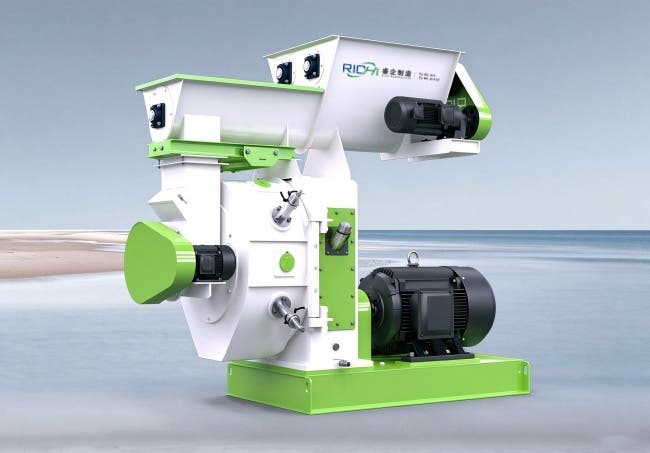
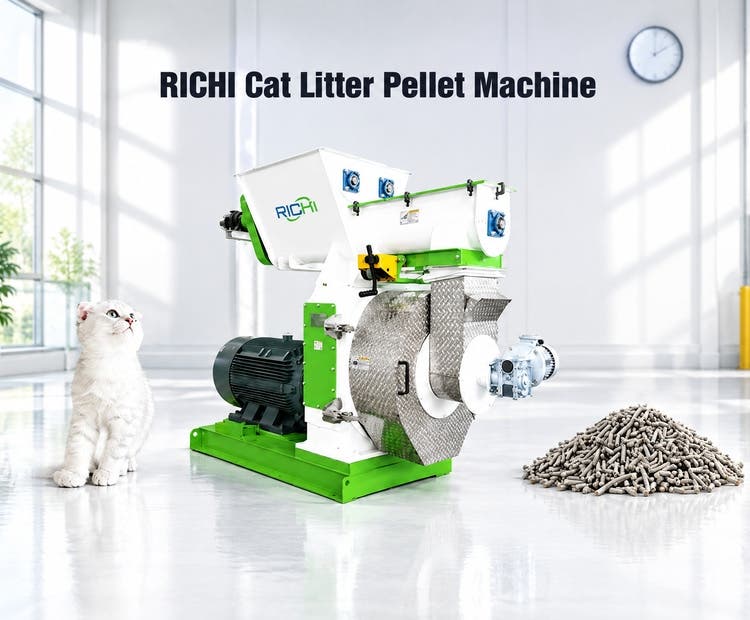
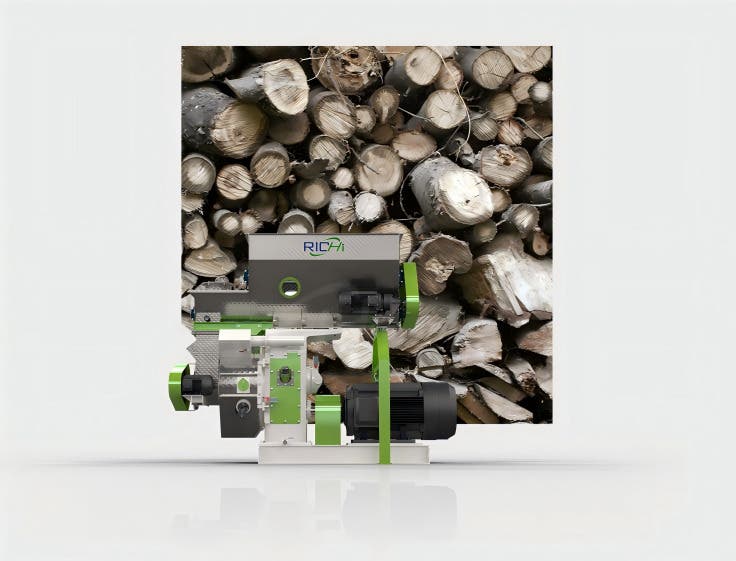
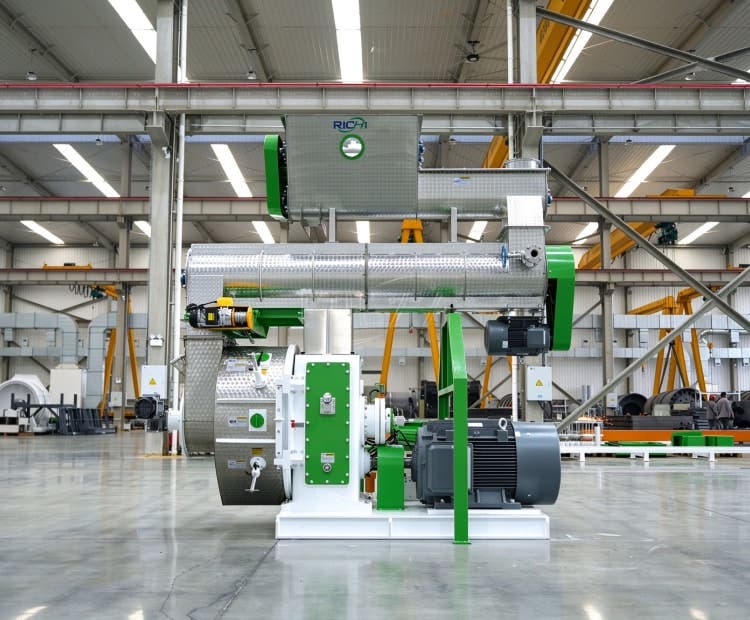
A commercial hemp biomass pellet making machine should match the raw material, required capacity, and pellet specifications.
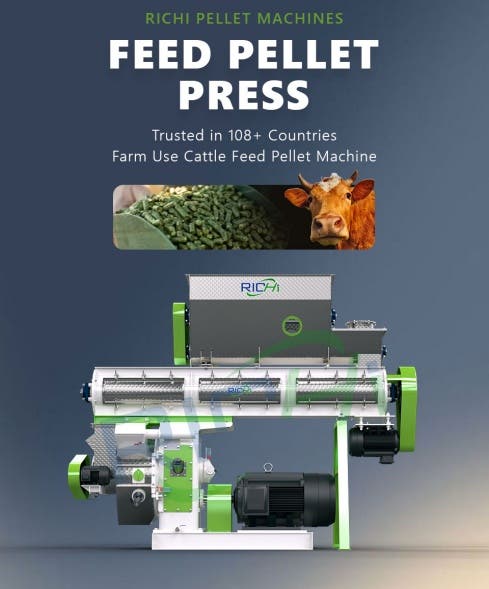
Key considerations include ring die compression ratio, roller configuration, motor power, and feeding performance. A forced feeder helps handle fibrous materials, while wear-resistant components support continuous operation.
A corn stalk pellet machine can also provide an equipment reference for processing similar agricultural residues.
4. What Determines Hemp Pellet Quality?
Consistent particle size, suitable moisture, and proper die specifications all influence pellet quality.
After pelletizing, cooling and screening help stabilize finished pellets and remove fines.
Key quality indicators include:
- Pellet diameter and length.
- Density and durability.
- Moisture content.
- Fines percentage.
- Combustion performance.
5. How Can Production Costs Be Reduced?
Control drying requirements, avoid repeated crushing, and maintain balanced equipment capacity.
The crusher, dryer, conveyor, and pellet mill must work together. Insufficient preparation capacity can reduce overall production efficiency.
6. Building a Complete Hemp Pellet Production Line
RICHI Machinery provides customized biomass pellet production solutions covering crushing, drying, conveying, pelletizing, cooling, screening, and packaging.
As an experienced RICHI industrial machinery manufacturer, RICHI develops equipment configurations based on raw material characteristics, production capacity, workshop layout, and investment budget.
From equipment manufacturing to installation guidance and after-sales support, we help customers build coordinated production systems.
Planning a hemp biomass pellet project? Discover this info here to explore suitable equipment and production solutions.