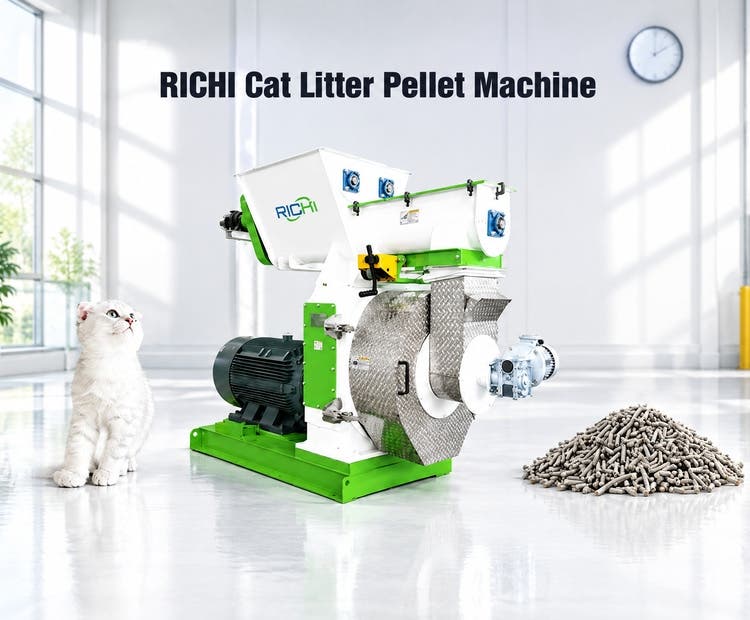
How to Choose a Wood Pellet Cat Litter Production Machine?
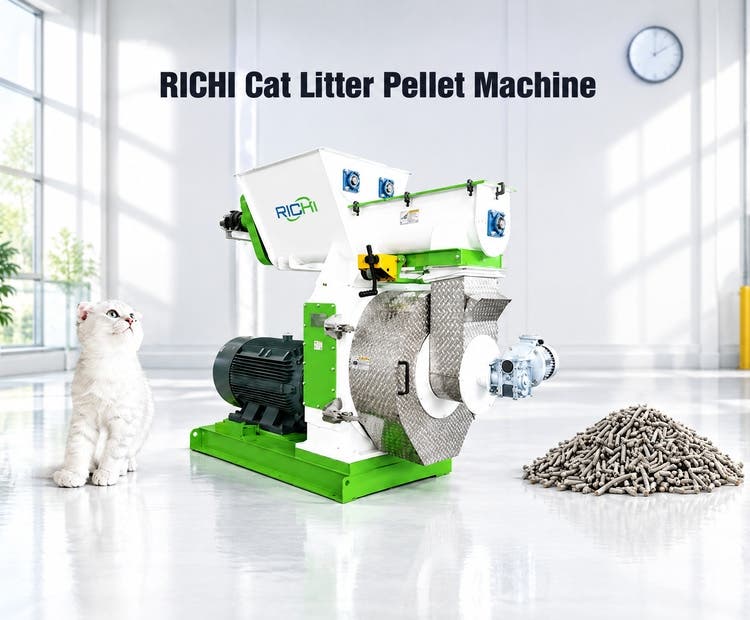
Wood-based cat litter is commonly produced from sawdust and other suitable wood residues. Turning these materials into pellets makes them easier to package, transport, and use.
When choosing a wood pellet cat litter machine, buyers should consider raw material quality, moisture, particle size, production capacity, and finished pellet requirements.
1. Select Suitable Wood Raw Materials
Sawdust is a common material for wood cat litter. Before production, check:
- Particle size: Crush large wood pieces.
- Moisture: Adjust moisture to meet pelletizing requirements.
- Impurities: Remove stones, metal, and other contaminants.
- Supply: Ensure a stable supply of suitable wood materials.
2. Prepare Materials Before Pelletizing
A typical preparation process includes cleaning, crushing, grinding, and drying. The exact configuration depends on the original material.
Fine sawdust may require less crushing, while wood chips need additional size reduction. Select a drying system according to the incoming moisture and production requirements.
3. Choose the Right Pelletizing Equipment
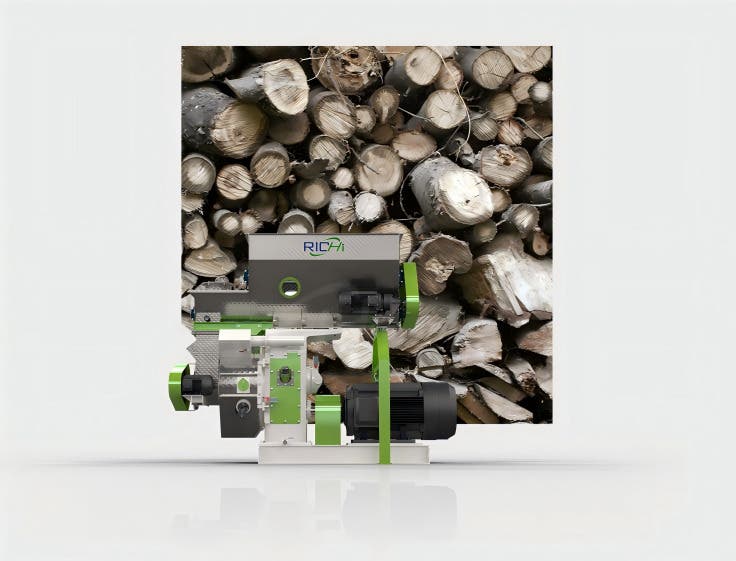
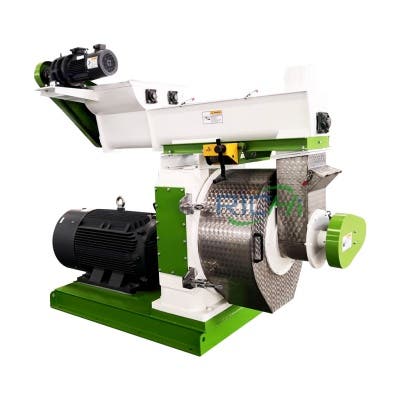
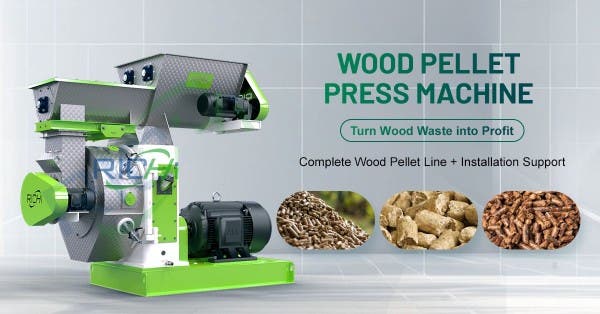
A ring die pellet mill compresses prepared wood material through a die to form pellets.
Compare the following specifications:
- Motor power and production capacity.
- Ring die material and compression ratio.
- Feeding system.
- Suitable raw material conditions.
- Available pellet diameter options.
An alfalfa pellet machine for sale may suit a separate biomass or feed project, but wood and alfalfa require different processing configurations. Always request a raw material test before purchasing.
4. Define Finished Pellet Requirements
Determine the required pellet diameter, length, moisture, density, and durability according to your target market.
Also consider absorption performance and dust generation. Cooling and screening equipment can help improve finished-product consistency by removing broken pellets and undersized particles.
5. Plan the Complete Production Line
A typical wood cat litter production line includes:
- Raw material cleaning.
- Crushing and grinding.
- Drying.
- Pelletizing.
- Cooling and screening.
- Weighing and packaging.
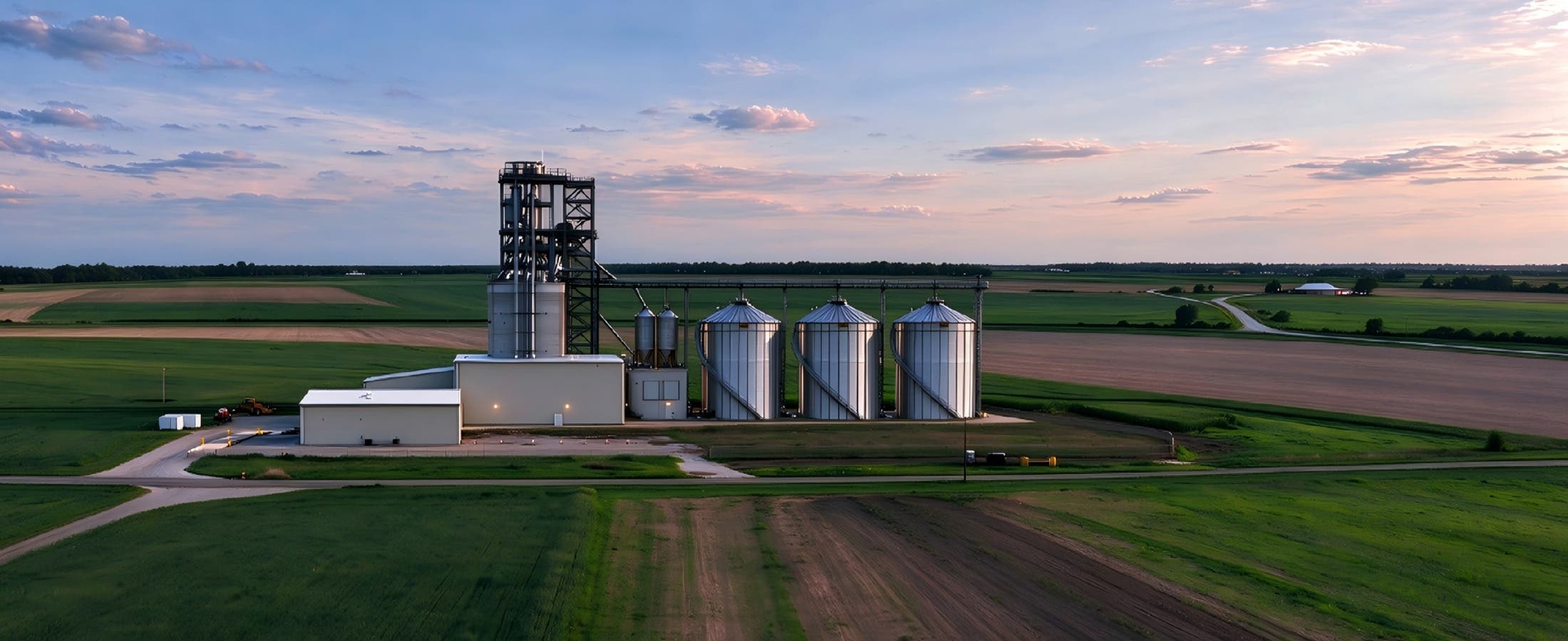
Ensure that each section has sufficient capacity to avoid production bottlenecks. Also allow space for storage, dust collection, conveyors, and maintenance.
6. Compare Investment and Supplier Support
The total investment includes more than the pellet mill. Consider preparation equipment, drying, cooling, screening, packaging, installation, and operating costs.
An experienced richimanufacture biomass pellet machine manufacturer should provide a suitable equipment configuration based on your raw materials and production target.
Request an itemized quotation and confirm installation, training, warranty, and spare-parts support. Visit this site for more information about biomass pellet equipment.
Conclusion
Choosing a wood cat litter production machine requires careful consideration of raw materials, moisture, pellet specifications, and production capacity.
Test your materials and compare complete production-line solutions before investing to ensure the equipment meets your actual manufacturing requirements.