Traffic & Transit
At LIC Spot Where Cyclist Killed, Shorter Light But No Bike Lane
After a cyclist died in a Long Island City crash in March, the city has made one change to the intersection: a shorter traffic light.


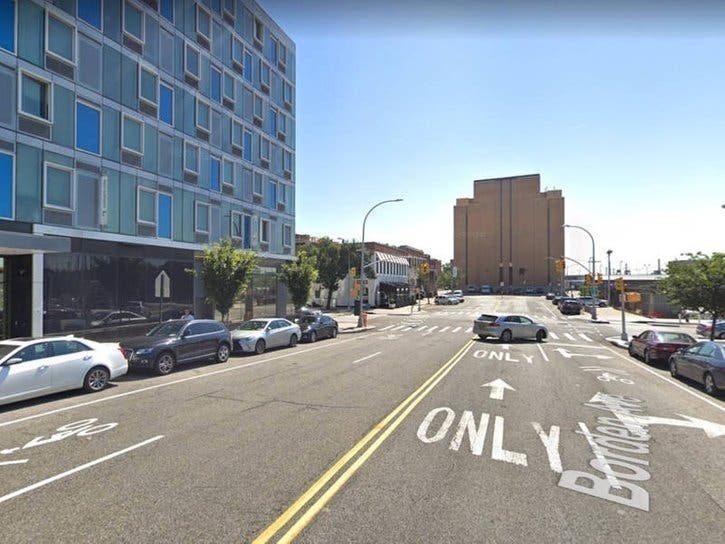
LONG ISLAND CITY, QUEENS — Two months after a cyclist died in a Long Island City crash, the city has made one change to the area where the fatal crash happened: a shorter traffic light.
The NYC Department of Transportation has shortened the traffic signal at Borden Avenue and Second Street from 90 seconds to 60 seconds, which means a shorter wait for the light to turn green. The minute-long length includes the green lights for both cross-streets.
A driver on March 14 struck and killed a cyclist at that intersection. Concerned residents had demanded a protected bike path along Borden weeks before the cyclist, 53-year-old Robert Spencer, was hit and killed there, Patch found.
Find out what's happening in Astoria-Long Island Cityfor free with the latest updates from Patch.
Every time a fatal crash happens, the DOT studies ways to make that area or intersection safer.
The DOT is looking into additional safety measures along Borden Avenue, a spokeswoman said, but she would not elaborate or answer specific questions on whether or not the agency will agree to requests for a protected bike lane there.
Find out what's happening in Astoria-Long Island Cityfor free with the latest updates from Patch.
City Council Member Jimmy Van Bramer and local residents had previously written to the agency to ask for a bike path, among other safety measures.
"Signal timing is important, good and effective in its own way, but there's nothing more effective than giving cyclists a protected bike lane," Juan Restrepo, a Queens-based organizer for Transportation Alternatives, said in an interview.
The DOT spokeswoman did not directly answer a question on how the shorter traffic signal would make the intersection safer.
"The shorter cycle length at this location minimizes delay and wait times to cross while at the same time efficiently processing the relative low volumes of traffic," she wrote in an email.
Get more local news delivered straight to your inbox. Sign up for free Patch newsletters and alerts.