Community Corner
Social Worker On Quest To Start A Therapeutic Garden In Bed-Stuy
Monica Rahman, a licensed social worker, is searching for a spot to build a therapeutic garden in the neighborhood.


BED-STUY, BROOKLYN — Like many New Yorkers, Monica Rahman found solace in the delicate balance of caring for a houseplant as the world went into quarantine earlier this year.
The plant — a gift from January and her first houseplant — turned yellow at first, then to a "brown crisp," but eventually, with her careful attention, began to thrive.
"With each new unfurling leaf I became increasingly excited. I think I felt proud, but also in awe," Rahman told Patch. "There’s a bit of magic watching a plant thrive in the dead of winter when you are trapped in a small apartment surrounded by concrete."
Find out what's happening in Bed-Stuyfor free with the latest updates from Patch.
But unlike most New Yorkers who jumped on the houseplant quarantine trend, Rahman, a licensed social worker, began imagining bringing what the idea outside the walls of her apartment.
The Bed-Stuy resident soon decided she would create a therapeutic neighborhood garden.
Find out what's happening in Bed-Stuyfor free with the latest updates from Patch.
"Our surroundings and environment impact how we feel," Rahman said. "I hope the garden serves as a healing and restorative space."
Rahman, an artist and staff member with the city health department's Mural Arts Project, was no stranger to how tangible projects could help with mental health.
Her background includes a peer-specialist certification — meaning she uses her own history with mental health struggles to help others — and working with people with everything from bipolar disorder and schizophrenia, to anxiety or post-traumatic stress disorder.
Through a Horticulture Therapy class with the New York Botanical Garden, she began learning specifically about therapeutic gardens.
Therapeutic gardens are designed differently than traditional gardens and are made to be accessible to those with disabilities, such as wide paths, raised plant beds and plants focused on sensory stimulation, whether it be color, texture or fragrances, Rahman said.
"Mental illness can intersect with other disabilities — some people may also have physical or intellectual disabilities, so I would want the garden to be wheelchair accessible," she said. "When you design a space to be inaccessible to people with physical disabilities, that’s discrimination."
She has started drafting a design for the Bed-Stuy garden, which she hopes will include blueberry bushes, a bird bath, a fruit tree, benches and space for mental health programming. Nonprofit Green Guerillas has offered to help bring the space to life, she said.
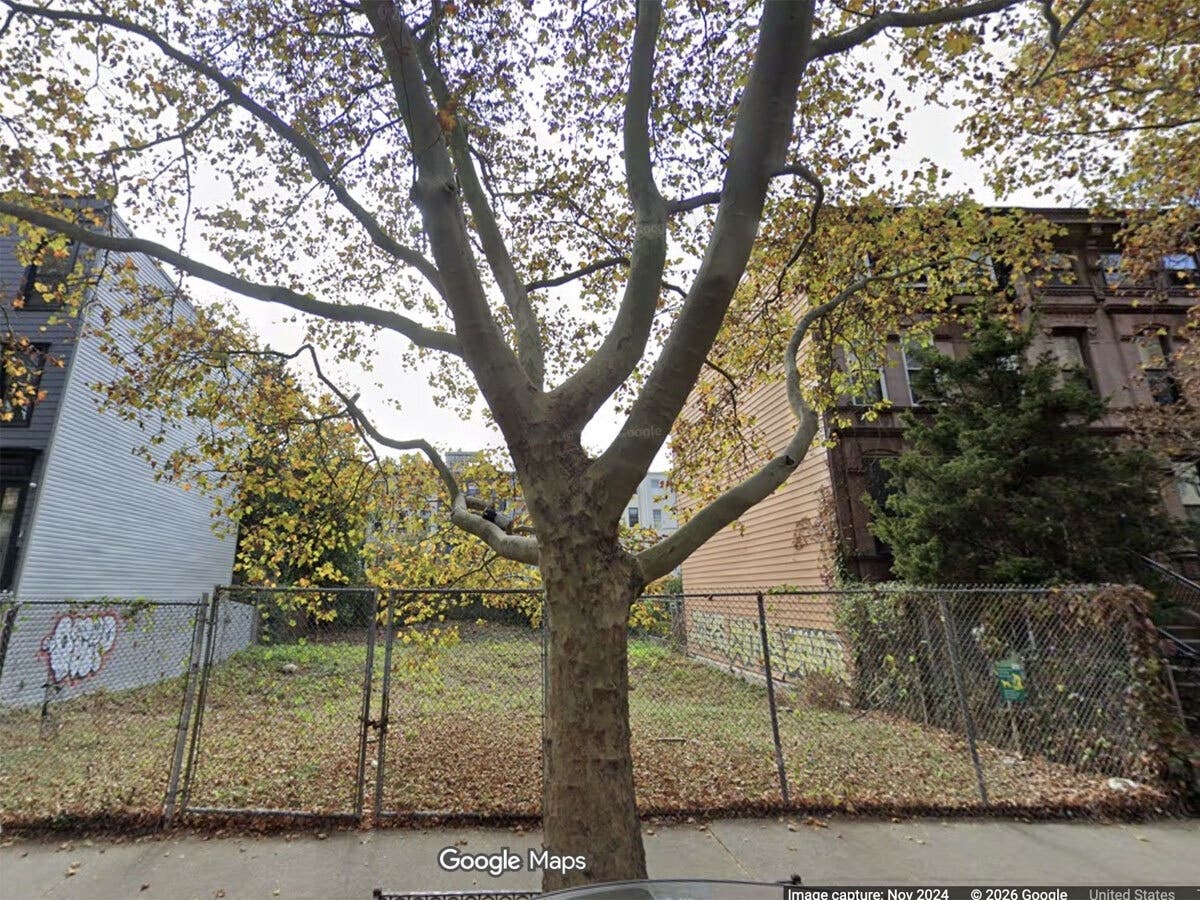
The next step, Rahman said, will be to search for a vacant lot where she can set it up. So far, she's walked vertically up and down every street in the neighborhood to hunt for possibilities.
"That ended up being 8 miles of walking," she said. "Now I have to walk horizontally on all the cross streets."
Anyone interested in helping with the garden can reach out to Rahman by email: monicarahman@gmail.com
Get more local news delivered straight to your inbox. Sign up for free Patch newsletters and alerts.