Politics & Government
Budget-Discussion Season Means Tough Decisions for Bronxville
The village's first budget workshop is scheduled for Monday, March 28


Written by Mayor Mary Marvin.
BRONXVILLE, NY - For Village Staff and Trustees, March and April are crunch time as we work to produce a budget that must be adopted per State Law by May 1st.
Though concentrated in the spring, budget adoption, to be effective, must be a yearlong process. Throughout the year, we stay in constant contact with our legislators, service providers, professional organizations and read their newsletters to discern trends in costs and services. Chief among these are the State retirement system, New York Power Authority, Suez Water and legislative initiatives that may ultimately impact the Village’s bottom line. Our vigilant monitoring aids us in making informed projections as to price fluctuations and trends.
Find out what's happening in Bronxville-Eastchesterfor free with the latest updates from Patch.
During the actual budget deliberations, we first look to past years’ budget/cost sheets and then review all existing negotiated labor agreements and debt service obligations.
Get real time Bronxville-Eastchester Patch news alerts and our free daily newsletter; and visit us on Facebook.
Find out what's happening in Bronxville-Eastchesterfor free with the latest updates from Patch.
Next, department heads including the Police Chief, Public Works Superintendent and Superintendent of Buildings are interviewed by the Village Administrator and Village Treasurer to ascertain their operating needs and their visions for the services needed by the taxpayers going forward.
At this juncture, our Assessor updates staff as to the changes in assessed value during the year as a result of home improvements or updated revaluation.
Armed with all of this data, a preliminary budget is crafted by the Village Administrator and Treasurer.
As in all service industries, personnel costs are the overwhelming fixed cost drivers. In our current proposed budget of approximately $15 million, $10 million is dedicated to employee salaries and benefits.
As illustration, if a Village staffer earns a salary of $50,000, an additional 60% of this amount or $30,000 is expended to cover the cost of benefits – healthcare, pension funding and worker’s compensation being the significant dollar amounts.
Providing healthcare for our entire staff represents a cost that equates to 11% of the Village’s yearly budget. We have been notified that Village health care costs will increase 7% in the coming budget year. The factors driving this include the provision in the Affordable Care Act that allow parents to keep dependents on their policies until age 26; the increased documentation and bookkeeping obligations associated with new healthcare compliance requirements and the lack of a cap on the costs of catastrophic illnesses.
Unfortunately, at least from my perspective, the passage of the Affordable Care Act was not accompanied by a set of controls placed on costs, particularly pharmaceutical ones. The result is astronomical and unsustainable costs for certain patented medicines, far outpacing a reasonable rate of return.
Bottom line, the only way to significantly reduce our budget is to reduce staffing. The Village has trimmed positions since 2008 resulting in the leanest staffed Police Department and DPW in decades. As example, from a maximum of 23 officers in the Police Department, we are now staffed by 21 and DPW manpower has decreased from 23 to 18, though the workload as well as taxpayers’ expectation of services have increased.
Since we operate now at minimum staffing levels, savings or revenue producers have to be found in other budget lines if we are to maintain the current level of Village services. A spending/revenue change of just $90,000 equates to a 1% tax increase so even the smallest fluctuations have a significant tax impact.
To achieve any savings requires intensive line by line analysis and some intelligent forecasting. To make concrete, for the Village to purchase salt at the most advantageous price, we must order through a State contract in July the year prior. Regardless of the subsequent weather conditions, 75% of the order must be paid for, received and then stockpiled.
As happens in running a household or a small business, a savings on one line is often negated by the overage on another expenditure line. This year our snow removal budget was obviously underspent, but our water costs far outpaced our estimates.
As an ancillary factoid, our water provider, Suez, estimates that 24% of the water supply is lost through leakage, contributing significantly to cost per gallon.
After analyzing the expense side, Trustees have to look to revenues to cover any short falls and on this side of the ledger, we have precious few options. With the exception of the Kensington Road project and Lawrence Hospital upgrades, the Village is essentially built out and land locked. We have no open land or waterfront to sell or lease.
As a consequence, we are forced to look to user fees – be it alarm permit costs, special pickup fees, parking meter rates and ticket costs to fill the funding gaps.
Following the lead of many of our neighboring municipalities, we are exploring the idea of PILOT agreements (Payments in Lieu of Taxes) with some of our non-profits to cover just a fraction of the costs we incur in maintaining the Village services provided them. Significant among the services are road maintenance, sewer and sanitary system cleaning and repair, street lighting and most importantly police protection. We also extract no revenue from any cell tower payments received by non-profits even though most a local governments require a first right of refusal for installations to the municipality.
As example, Northern Westchester Hospital contributes $150,000 yearly to the Mount Kisco budget to partially offset the municipal services they receive.
None of the above cost cuts/revenue opportunities will allow us to stay below the “2%” tax cap, (a political euphemism) that equates this year to only a $30,000 budget to budget spending increase as it is tied to other fiscal controls.
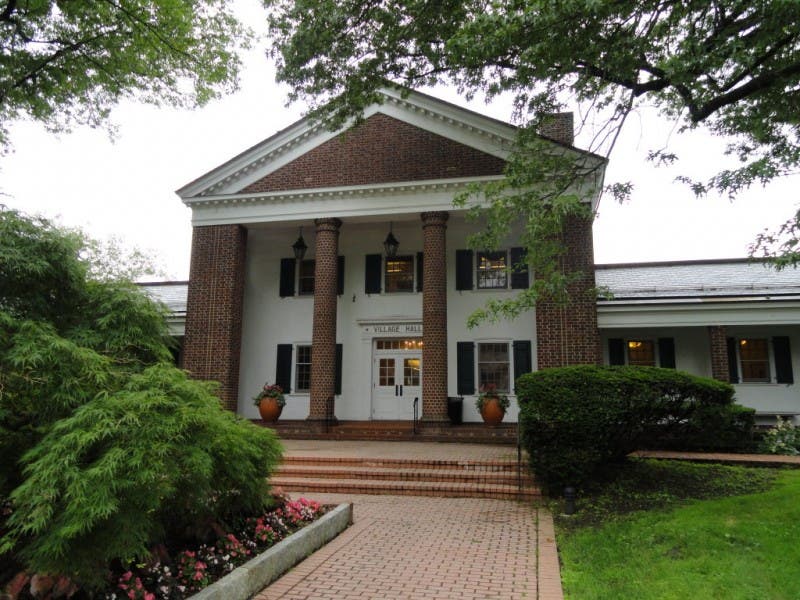
Our first budget workshop is scheduled for March 28th at 7:30 p.m. here at Village Hall.
Get more local news delivered straight to your inbox. Sign up for free Patch newsletters and alerts.