Politics & Government
Mother's Day, Memorial Day Holidays In May: Bronxville Mayor
Memorial Day, first known as Decoration Day, originated in the years immediately following the Civil War.


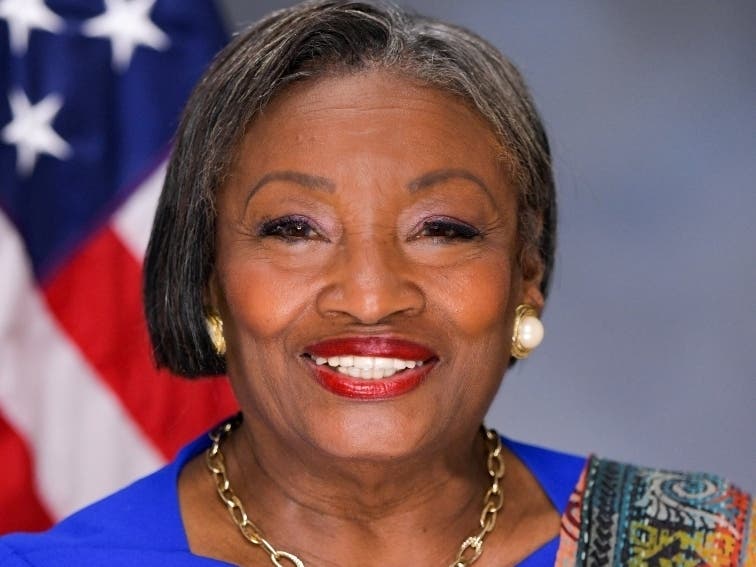
Written by Mayor Mary Marvin:
BRONXVILLE, NY — May brings two holidays so celebrated in our Village — Mother’s Day and Memorial Day — so I decided to do a little research as to the origins and meanings. Celebrations of mothers and motherhood can be traced back to the ancient Greeks and Romans, who held festivals in honor of the mother goddesses Rhea and Cybele, but the clearest modern precedent for Mother’s Day is the early Christian festival known as “Mothering Sunday.”
Once a major tradition in the United Kingdom and parts of Europe, this celebration fell on the fourth Sunday in Lent and was originally seen as a time when the faithful would return to their “mother church” — the main church in the vicinity of their home — for a special service.
Find out what's happening in Bronxville-Eastchesterfor free with the latest updates from Patch.
The American incarnation of Mother’s Day was created by Anna Reeves Jarvis in West Virginia in the mid 1800s in the form of “Mother’s Day Work Clubs” to teach local women proper childcare. They grew into a unifying force in a region of the country still divided over the Civil War. In 1868, Jarvis organized “Mother’s Friendship Day” at which mothers gathered with former Union and Confederate soldiers to promote reconciliation.
Another precursor to Mother’s Day as we know it came from the abolitionist and suffragette Julia Ward Howe. In 1870, Howe wrote the “Mother’s Day Proclamation,” a call to action that asked mothers to unite in promoting world peace.
Find out what's happening in Bronxville-Eastchesterfor free with the latest updates from Patch.
The “official” Mother’s Day holiday arose in the 1900s as a result of the efforts of Anna Jarvis, daughter of Ann Reeves Jarvis as an honor to her recently deceased mother.
With the financial backing of John Wanamaker of the eponymous department store in Philadelphia, she held the first official celebrations in West Virginia and Philadelphia.
Arguing that American holidays were biased toward male achievements, she was relentless in a letter-writing campaign and political advocacy to adopt a special day for mothers. Her persistence paid off in 1914 when President Woodrow Wilson signed an official proclamation establishing the second Sunday in May as Mother’s Day.
Anna Jarvis, who remained unmarried and childless her whole life, conceived of the day as spent attending church and visiting one’s mother. She came to deplore the commercialization of the holiday and spent most of her personal wealth and her later years lobbying the government to have it removed from the American calendar.
A point of trivia, more phone calls are made on Mothers’ Day than any other day of the year, spiking phone traffic by as much as 38 percent.
Memorial Day, first known as Decoration Day, originated in the years immediately following the Civil War and became an official holiday only in 1971.
Ending in 1865, the Civil War claimed more American lives than any conflict in history and required the establishment of the country’s first national cemeteries.
By the late 1860s, Americans had begun holding springtime tributes to these countless fallen soldiers, decorating their graves with flowers and reciting prayers.
In 1868, General John Logan, leader of an organization for Northern Civil War veterans, called for a nationwide day of remembrance on the 30th of May, choosing that date because it was not the anniversary of any battle. By 1890, every northern state, but no southern state, made “Decoration Day” an official state holiday.
With such prophetic words, General Logan stated, “Let no neglect, no ravages of time, testify to the present or to the coming generations, that we have forgotten as a people the cost of a free and undivided republic.”
Currently 11 states still set a different official day to honor those who lost their lives fighting for the Confederacy. Virginia is the only state that observes Confederate Memorial Day on the same day as Memorial Day.
During World War I, the holiday evolved to commemorate American military personnel who died in all wars.
Always celebrated on May 30, Congress made it a federal holiday in 1971 and established Memorial Day as the last Monday in May in order to create a three-day holiday for federal workers.
The first Memorial Day ceremony was held at Arlington National Cemetery where the tradition of placing small American flags beside each grave was first begun.
Cities across America began to host parades with the largest always taking place in Chicago, New York and Washington, DC where upwards of 250,000 citizens attend annually.
In 2000, President Clinton signed a National Moment of Remembrance Act asking Americans to pause and observe a moment of remembrance at 3 p.m. on Memorial Day. Amtrak trains blast all of their whistles at that moment and Major League Baseball and NASCAR pause events. Flags should also be flown at half-staff until noon on the holiday.
The origins of special services to honor those who die in war can be found in antiquity. The Athenian leader Pericles offered a tribute to the fallen heroes of the Peloponnesian War more than 24 centuries ago that could be applied today to the 1.1 million Americans who have died in the nation’s wars: “Not only are they commemorated by columns and inscriptions, but there dwells also an unwritten memorial of them, graven not on stone but in the hearts of men.”
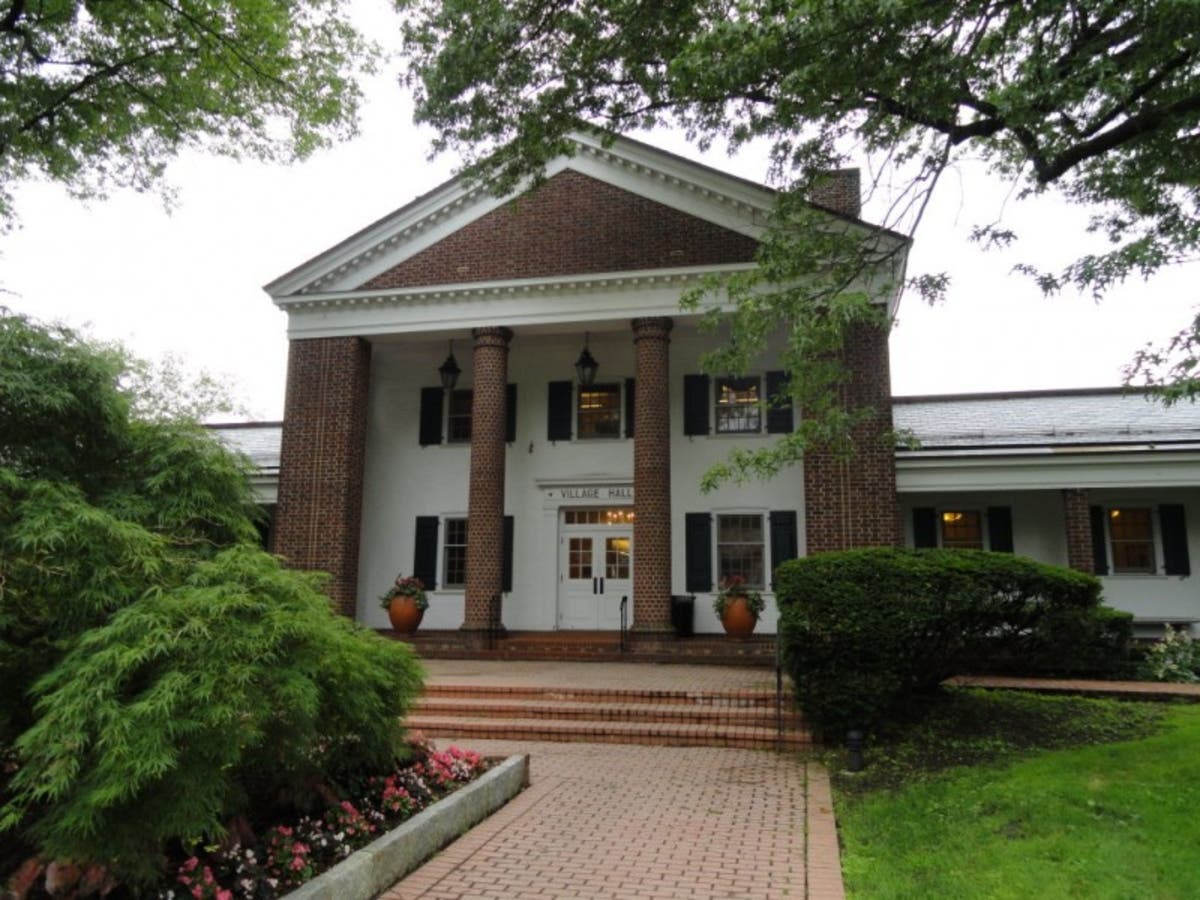
Photo credit: Google Maps.
Get more local news delivered straight to your inbox. Sign up for free Patch newsletters and alerts.