Neighbor News
Azim Lakhoo Analyzes the Various Sources of Brooklyn’s Energy
Where the Energy to Power Brooklyn Really Comes From
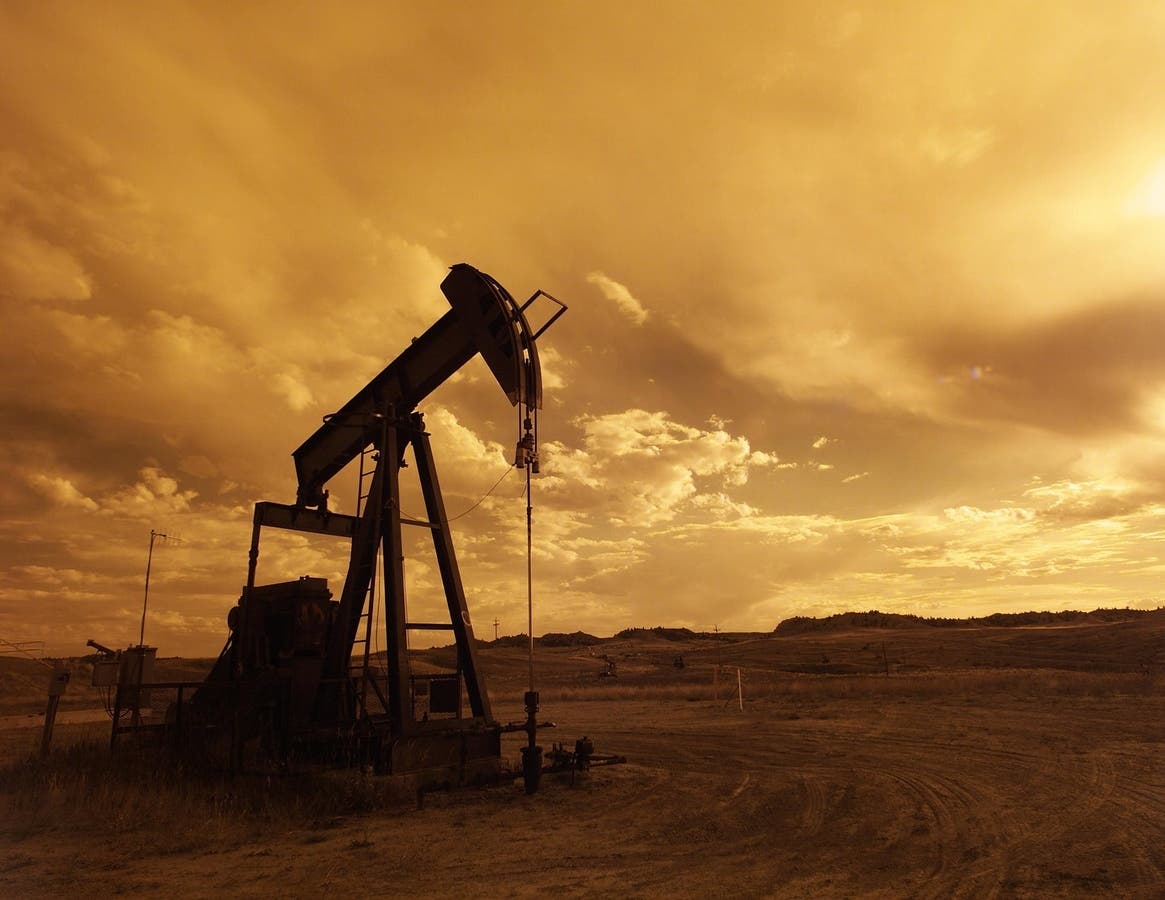
The process of extracting oil from the Earth is fascinating. Azim Lakhoo, the Founder of Coastal Resources Limited, explains oil extraction to Brooklyn residents and answers questions that readers may have about the process. Many Brooklyn residents do not think about where their energy comes from, but it is valuable to understand how oil is extracted and prepared for sale on the open market.
First, the oil must be located. In the past, it was possible to find oil seeping out at the surface. These reservoirs of oil are still available in Alaska, but in most of the United States and Canada, they have already been tapped. In modern methods of oil detection, skilled geologists have the task of locating oil fields. They use seismic surveys, magnetometers, and gravimeters to map the ground and locate reservoirs far down from the surface of the earth. Seismic surveys were once performed with explosives but compressed-air guns (for extraction underwater) and thumper trucks (for extraction on land) are more environmentally friendly.
When the oil has been located, a well is dug with an oil rig. These wells average almost 6,000 feet deep. The core of the well is lined with a metal casing to prevent collapse. A well bore is dug to enable extraction of the oil. Finally, valves and pumps are added to provide access to the oil.
Find out what's happening in Brooklynfor free with the latest updates from Patch.
The extraction process has several stages, says Azim Lakhoo. First, the primary recovery stage involves the use of natural methods to extract the oil. These include naturally occurring water, natural gas expansion, and gravity. During the primary recovery stage, all that is required to extract the oil is the underground pressure in the well. The oil is then piped away to a refinery for processing.
The secondary recovery stage comes in when the primary recovery stage begins to fail. The well’s internal pressure must be increased by introducing energy into the system. Fluids can be injected to increase the pressure. These fluids can include water, natural gas, and air. These methods are less efficient than primary recovery, but they are necessary to make the well profitable.
Find out what's happening in Brooklynfor free with the latest updates from Patch.
When the secondary stage has ended, the tertiary or advanced oil recovery methods begin. Many of these methods include heat. A steam plant is built near the well, and this heats the oil underground to the point where the well regains pressure and is able to be tapped. Other tertiary methods include the use of detergents to change the surface tension of the oil and carbon dioxide flooding.
At the end of the tertiary stage, the oil well is retired. It may be restarted when economic conditions such as oil prices make it economically feasible.
To prepare crude oil to be sold, it must be refined. Refineries are large industrial complexes which produce various forms of petroleum including propane, gasoline, kerosene, and home heating oil. Lubricants and byproducts like petroleum jelly are also produced. Some components which come from crude oil are also processed into plastics, nylon, and other synthetic materials.
To refine oil, it is heated in a large furnace. The process is called fractional distillation. As the heated oil rises through the fractionating column, it is separated by boiling point. The lowest boiling points, like propane and butane, rise to the top of the column. The oil products are then processed to make them useful on the commercial level. Some products, like gasoline, need additives to make them usable. Others come out of the fractionating column ready to be used.
To understand today’s oil economy, Azim Lakhoo believes it is vital to understand how oil and gas are extracted and refined. For the people of Brooklyn, oil and gas are largely taken for granted, but it is important to know how this vital part of the economy is produced. Thinking about the supply chain that brings oil and gas to Brooklyn may lead people to use these resources mindfully and to conserve them whenever possible.