Brooklyn, NY|Local Classified|Other|
Sidewalk Repair NYC: Understanding City Regulations and Permits
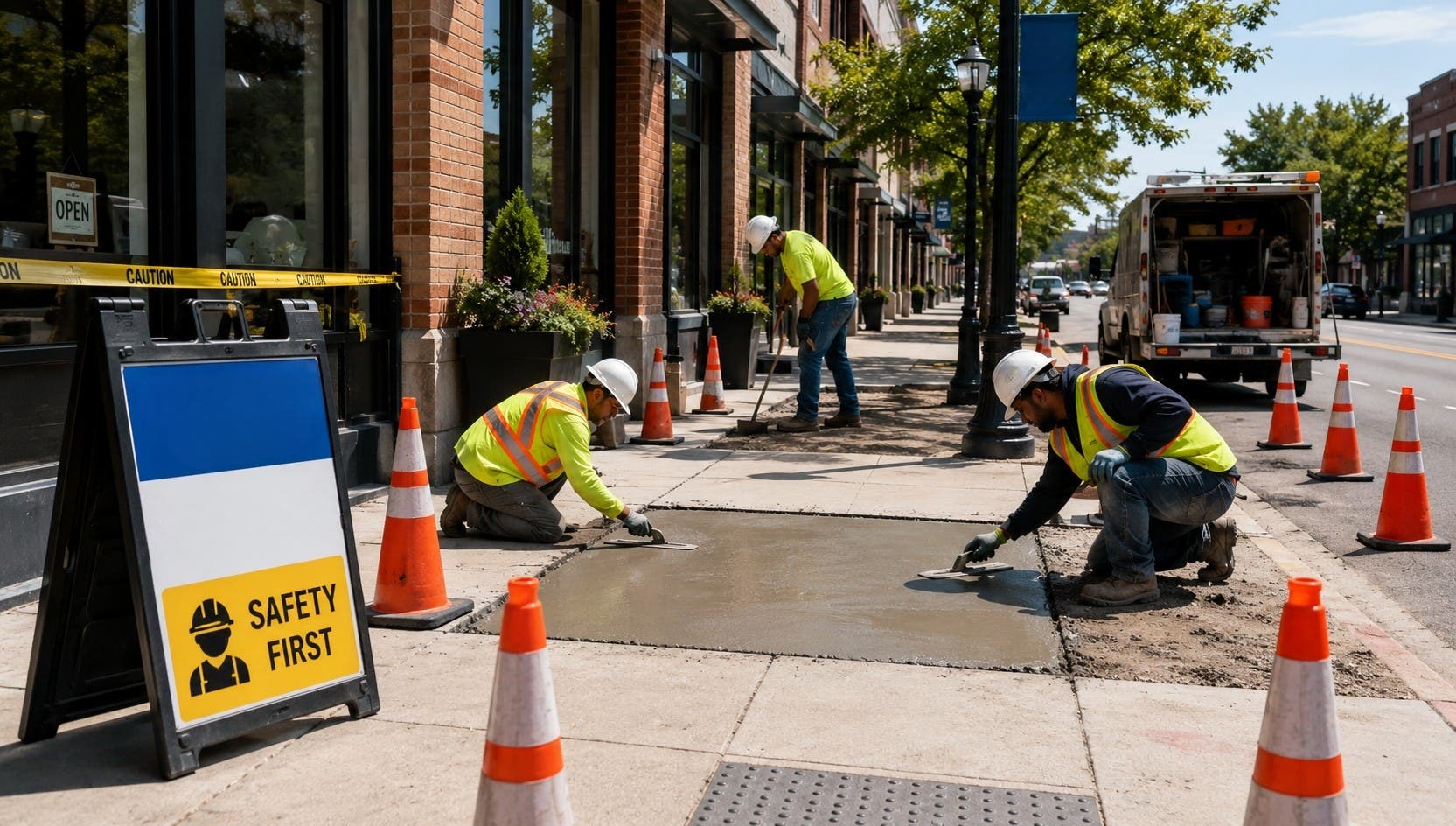
Maintaining safe and functional sidewalks is essential in New York City, where pedestrian traffic is constant and city regulations are strict. Whether you’re a homeowner, business owner, or property manager, understanding the rules surrounding sidewalk repair in NYC can save you time, money, and potential fines.
Why Sidewalk Repairs Matter
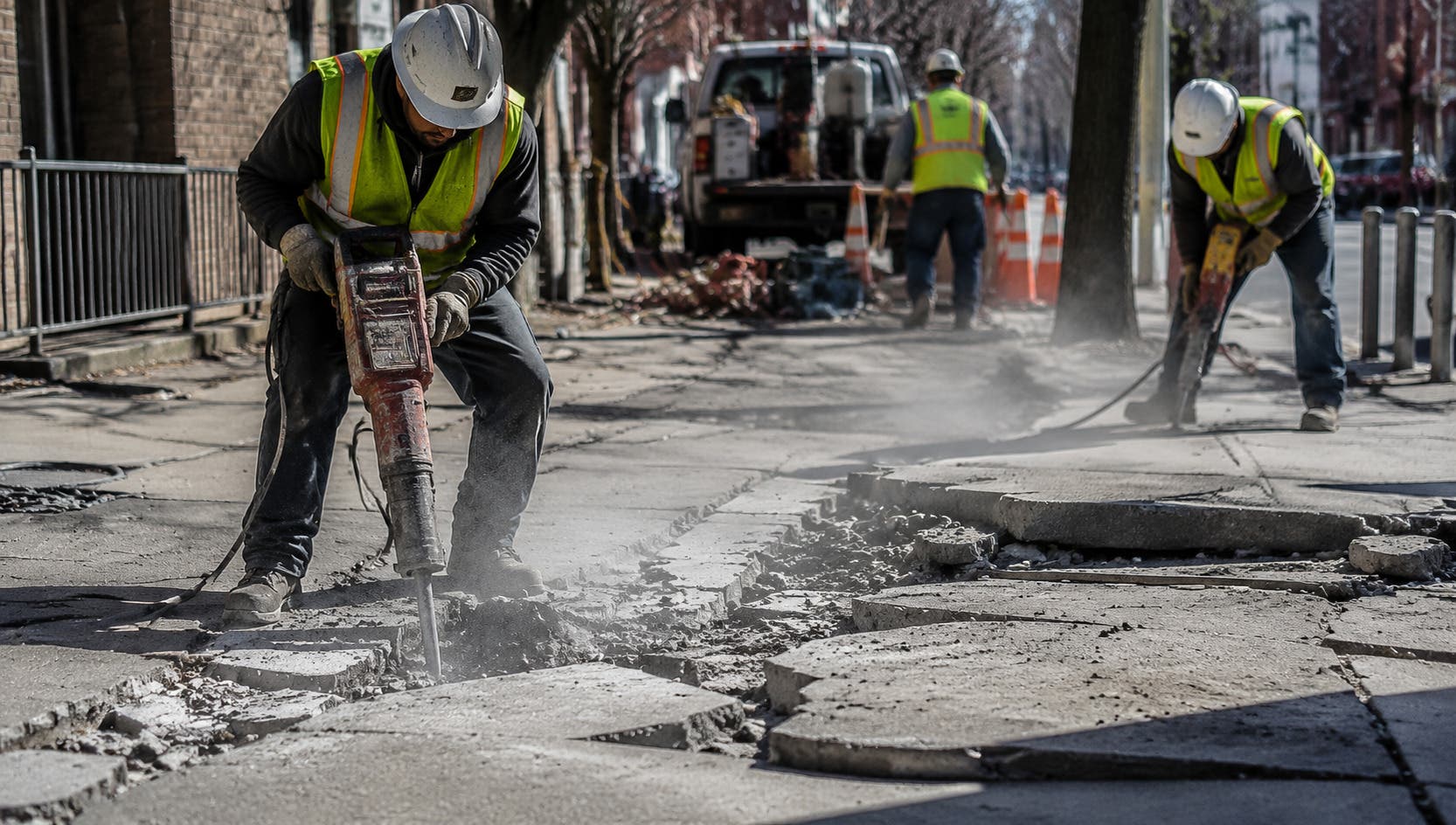
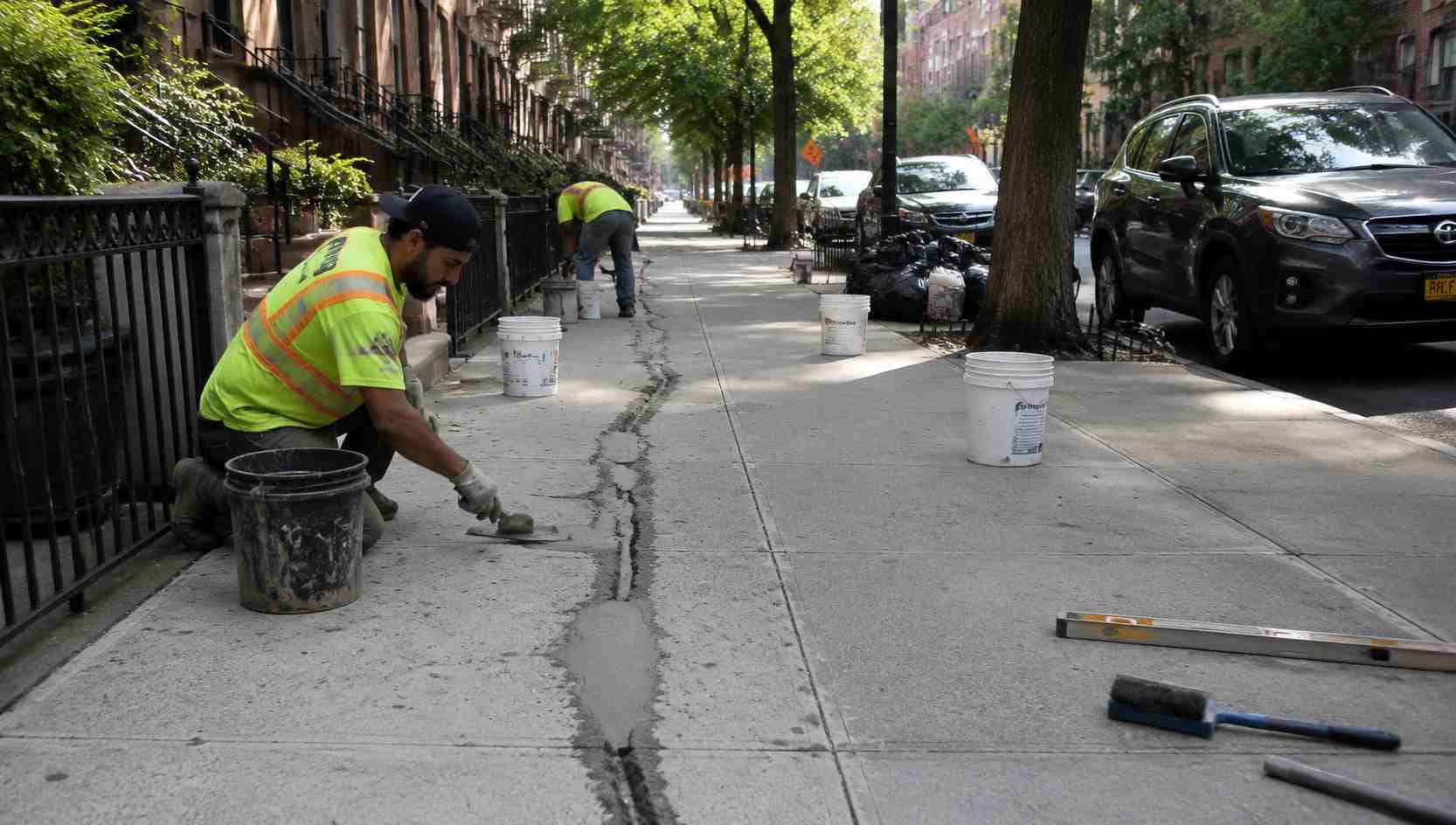
Sidewalks are more than just walking paths—they are vital for public safety. Cracks, uneven surfaces, or deteriorating concrete can pose serious hazards, leading to slips, trips, or falls. In New York City, property owners are legally responsible for maintaining the sidewalks adjacent to their property. Failing to address sidewalk issues promptly can result in violations and costly fines from the Department of Transportation (DOT).
Regular maintenance and timely repairs not only protect pedestrians but also preserve the value of your property. A well-maintained sidewalk contributes to the aesthetic appeal of a neighborhood and demonstrates a commitment to safety and community standards.
NYC Sidewalk Repair Regulations
In New York City, sidewalk repair regulations are detailed and strictly enforced. The city categorizes violations based on the severity of the sidewalk damage. Property owners may receive notices for uneven surfaces, cracked concrete, or missing slabs.
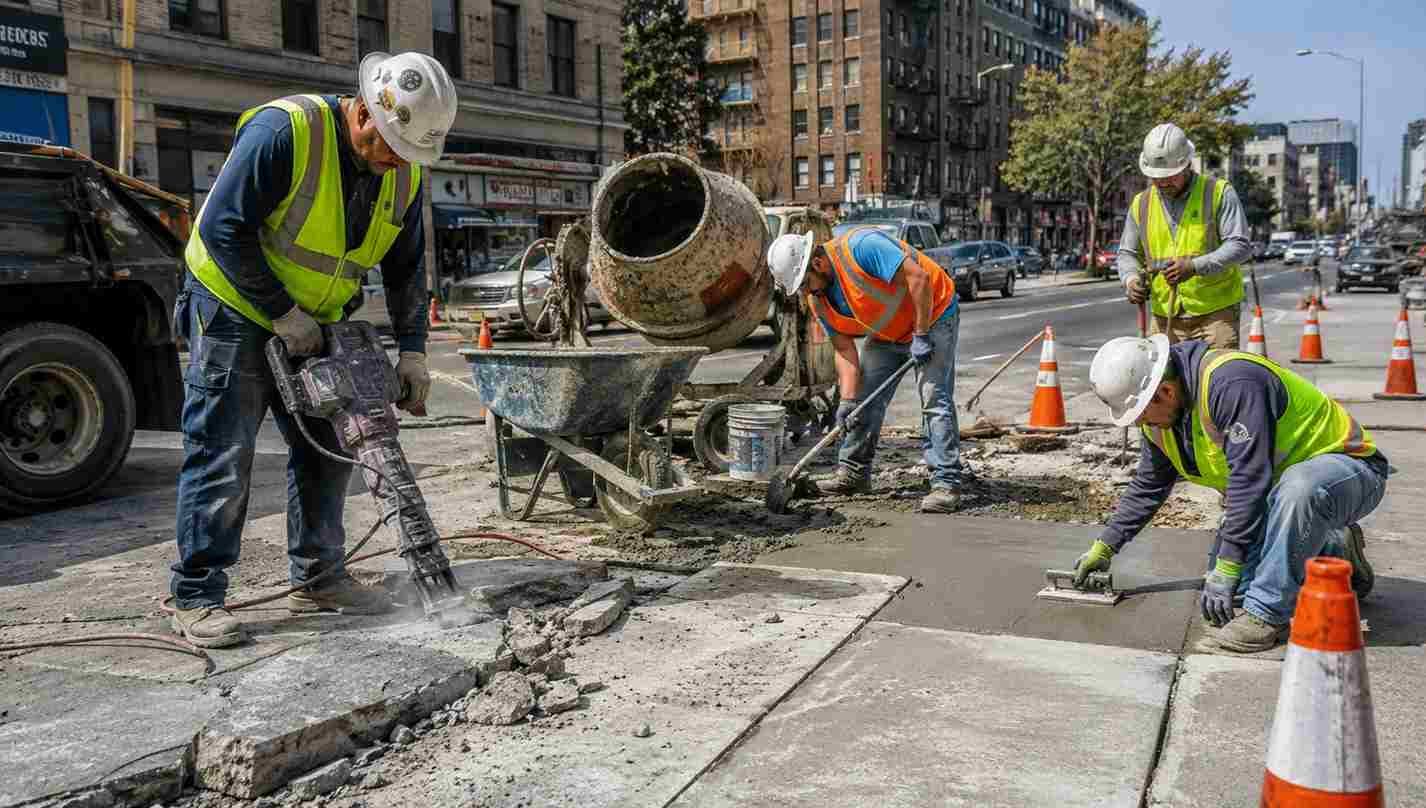
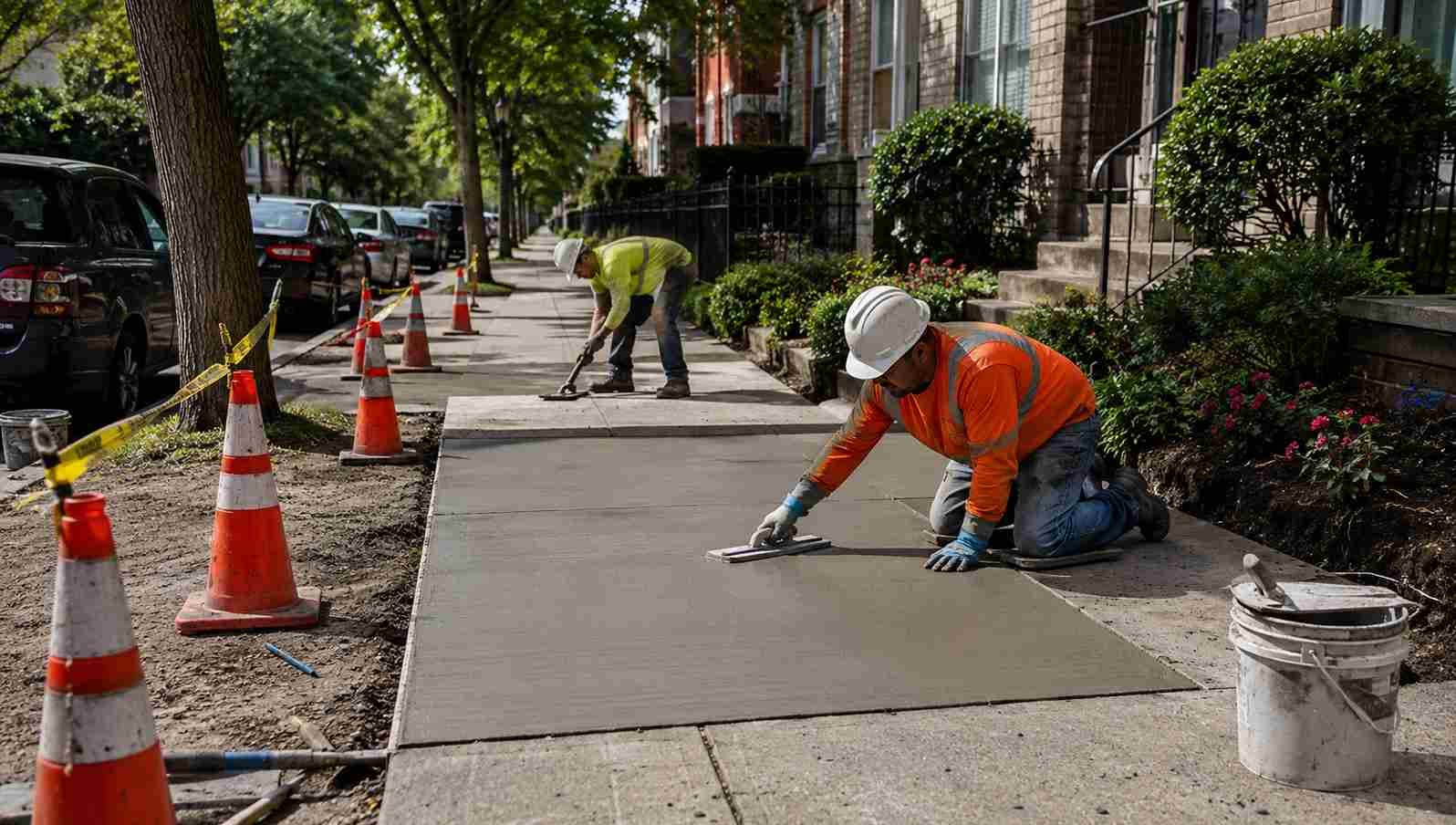
The DOT provides guidelines for the materials, methods, and standards required for sidewalk repairs. Repairs must meet city specifications for durability and safety, which often include using specific types of concrete and following proper installation procedures. Non-compliant repairs may lead to repeated citations, requiring corrective work at the owner’s expense.
Permits for Sidewalk Repair
Before starting any sidewalk repair in NYC, obtaining the proper permits is crucial. The NYC DOT requires a Sidewalk Construction Permit for most repair work. This permit ensures that the repair work follows city safety standards, minimizes disruption to pedestrians, and coordinates with municipal inspections.
Applying for a sidewalk repair permit involves submitting detailed plans, including the scope of work, materials to be used, and estimated completion timelines. In some cases, especially for extensive repairs or commercial properties, additional approvals from the city may be necessary.
Failure to secure the appropriate permit before performing sidewalk work can result in fines and may require the work to be redone under city supervision. Hiring a licensed contractor familiar with NYC regulations can simplify this process and ensure compliance.
Hiring a Professional Contractor
Navigating the rules for sidewalk repair in NYC can be challenging for property owners. Professional contractors who specialize in sidewalk maintenance understand local regulations, permitting requirements, and city inspection processes. They can assess damage, recommend the appropriate repair method, and complete the work to meet city standards.
Working with an experienced contractor reduces the risk of violations and ensures repairs are safe and long-lasting. Moreover, licensed contractors can handle the permit process on your behalf, saving you time and avoiding potential legal issues.
Conclusion
Maintaining your sidewalk is not just about curb appeal—it’s a legal responsibility in New York City. Understanding city regulations and obtaining the proper permits are essential steps in performing sidewalk repair in NYC. By acting proactively and hiring experienced professionals, property owners can ensure compliance with city standards, protect pedestrians, and enhance the overall safety and appearance of their property.