Community Corner
Most 311 Calls Summoning Cops Come From Gentrified Areas: Study
Cops are most often summoned via 311 to communities of color that have seen an influx of white residents, a new study found.


BROOKLYN, NEW YORK — A woman called 311 because a 9-year-old boy's backpack brushed against her in a bodega. Another reported somebody was seeking shelter from the rain in her doorway, while yet another caller told authorities that a state Senator was passing out campaign literature in public.
Lower-income communities of color that have recently seen a large influx of white residents see the most 311 calls summoning police, according to a new report released this week from the advocacy group Community Service Society.
"These enforcement actions are just one small component of rampant over-policing in communities of color," the report states. "And this over-policing has far-ranging consequences, from costly fines to criminal records and, even worse, police brutality."
Find out what's happening in Brooklynfor free with the latest updates from Patch.
The report, "New Neighbors and the Over-Policing of Communities of Color," shows that summons and arrests are three times more likely in recently gentrified Brooklyn neighborhoods such as Bed-Stuy, Bushwick and Crown Heights.
“[Such] complaints are increasingly happening in already marginalized communities," Harold Stolper, the study’s author, told The Root. "That’s bringing the police in and that’s making residents feel unsafe."
Find out what's happening in Brooklynfor free with the latest updates from Patch.
Stolper's team compared census tracts to the 108,000 311 complaints referred to the NYPD in 2017 (a notable spike from 34,227 in 2011) to identify the areas where police are most often summoned on quality-of-life concerns.
The team was unable to analyze the race of 311 callers as the city does not collect that data, and instead focused on neighborhood characteristics.
Analysts also found quality-of-life 311 complaints that ended in a summons or arrest were rare, but three times as likely in low-income communities of color that recently saw an increase in white residents.
"Meaningful reform needs to put the concerns and well-being of long-standing residents in historically marginalized communities on equal footing with the concerns, of newer, more affluent residents," the report concludes.
"And reform must be shaped by residents from communities that bear the brunt of police enforcement."
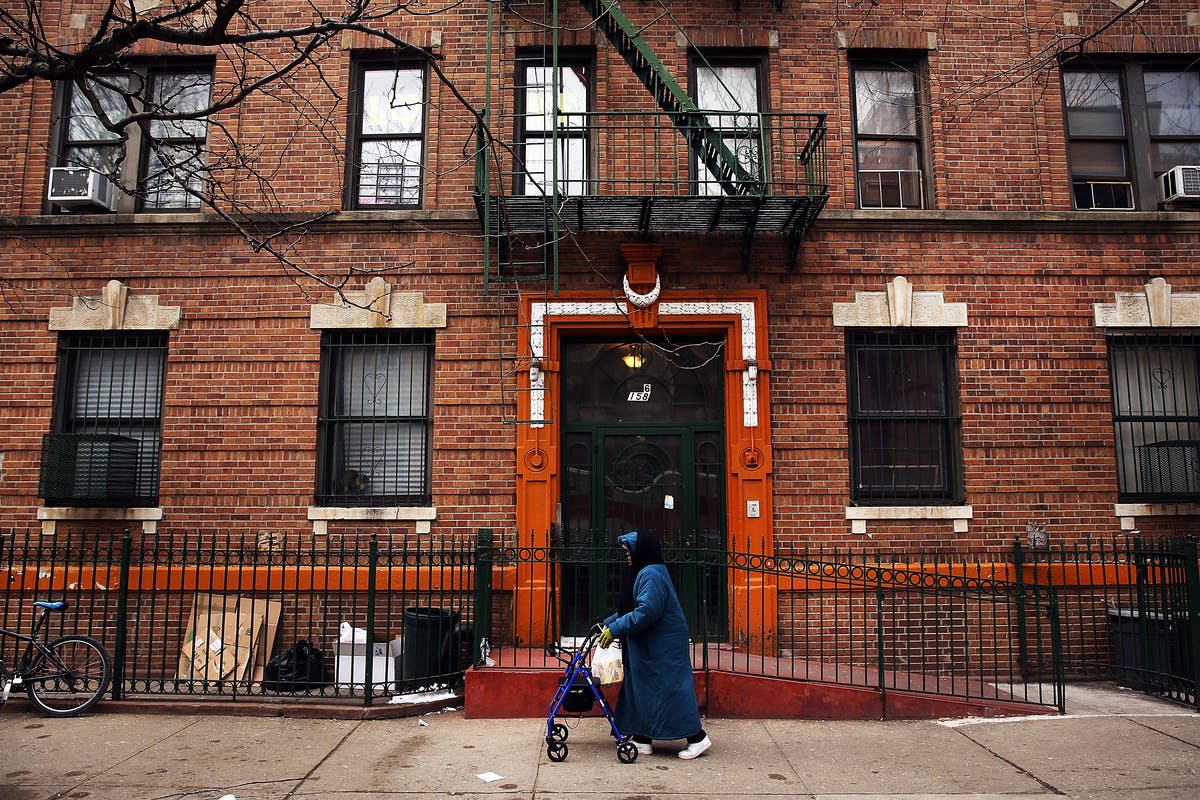
NEW YORK, NY - FEBRUARY 27: woman walks down a street in the Fort Greene neighborhood where the director and artist Spike Lee once lived on February 27, 2014 in the Brooklyn borough of New York City. (Photo by Spencer Platt/Getty Images)
Get more local news delivered straight to your inbox. Sign up for free Patch newsletters and alerts.