Carroll Gardens-Cobble Hill, NY|Local Classified|For Sale|

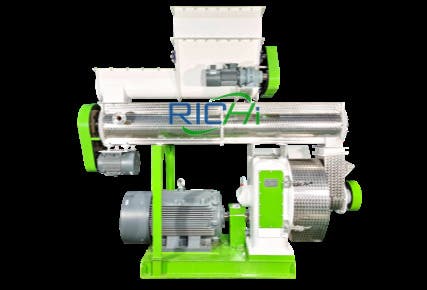
Husk Pellet Machine for Turning Agricultural Waste into Value
Rising Importance of Husk Pellet Production
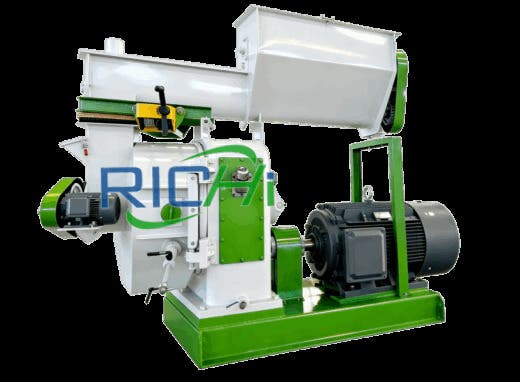
With increasing emphasis on renewable energy and waste recycling, the husk pellet machine has become a key solution for converting agricultural residues into valuable products. Materials such as rice husk, peanut shells, and other crop by-products are often discarded or burned, causing environmental issues. By transforming them into high-density pellets, producers can create eco-friendly fuel or animal bedding while reducing waste.
How a Husk Pellet Machine Works
A husk pellet machine processes raw materials through several stages including crushing, drying, and pelletizing. Since husk materials usually have low bulk density and varying moisture content, proper pre-treatment is essential. During pelletizing, high pressure and temperature compress the biomass into uniform pellets with strong durability.
For specialized materials, equipment like a rice husk pellet machine is designed to handle the unique structure and silica content of rice husks. This ensures smoother operation and higher pellet quality, especially in regions where rice processing generates large volumes of residue.
Flexibility with Different Raw Materials
One of the main advantages of a husk pellet machine is its adaptability. It can process a variety of agricultural wastes, making it ideal for farms and biomass processing plants. For example, integrating a peanut shell pellet machine allows producers to efficiently utilize peanut shells, which are abundant in many agricultural regions.
This flexibility not only increases production efficiency but also helps businesses respond to changing raw material availability and market demands.
Economic and Environmental Benefits
Using husk materials for pellet production offers significant cost savings. Raw materials are often inexpensive or even considered waste, reducing overall production costs. At the same time, pellet fuel provides a cleaner alternative to fossil fuels, helping industries lower carbon emissions.
Additionally, the compact form of pellets improves storage and transportation efficiency, making them suitable for both domestic and industrial applications.
Conclusion
A husk pellet machine is a practical investment for businesses seeking sustainable and profitable biomass solutions. By leveraging equipment such as a rice husk pellet machine and expanding capabilities with a peanut shell pellet machine, producers can maximize resource utilization and tap into growing markets for renewable energy and eco-friendly products.