Business & Tech
Massage Therapy is a Profession at Mt. Kisco School
A look at the Mount Kisco campus of the Finger Lakes School of Message.
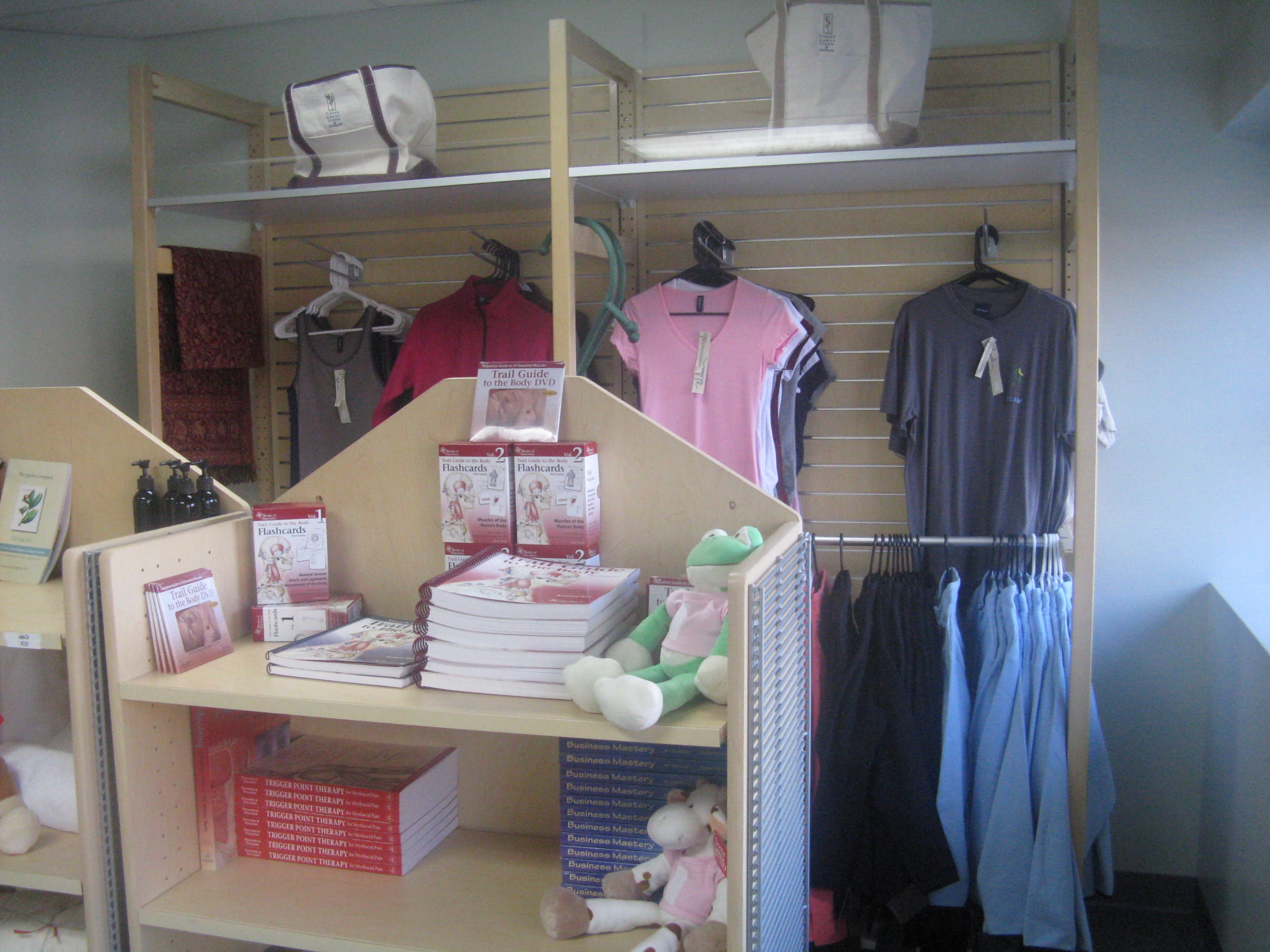


Relaxation techniques can be learned anywhere, even in a nondescript office building on one of Mount Kisco's busiest stretches of North Bedford Road not far from a Staples office supply store.
The Finger Lakes School of Massage (FLSM) opened its Mount Kisco branch in October 2008, a downstate campus of the original school in Ithaca, hence the name referring not to digits used in massage, but to the region in upstate New York. The school is licensed by New York State and completion of its program and passing the state exam allows graduates to practice various aspects of massage therapy, with the letters LMT (licensed massage therapist) after their names.
In addition to its full-time seven-month program, FLSM will offer a program for part-time students that can be completed in 19 months. In all, 1000 hours of classroom study are required to complete the program and be eligible for a New York State license.
Find out what's happening in Chappaqua-Mount Kiscofor free with the latest updates from Patch.
The Finger Lakes School of Massage has programs in massage therapy and related healing subjects such as essential oils and hydrotherapy. Massage techniques include Shiatsu, Reiki, Swedish massage, and various medical massages.
Amy Vona, the director of the Mount Kisco campus, is a graduate of the Finger Lakes School whose world travels led her to Ithaca and now Westchester County. She is soft-spoken but very passionate about her art and teaching it. Originally from the capital region of Albany, Vona learned various massage and herbal techniques in Europe, Africa and India the original and spiritual birthplace of many techniques and philosophies relating to wellbeing and of course, massage.
Find out what's happening in Chappaqua-Mount Kiscofor free with the latest updates from Patch.
The school occupies the second floor of a building that houses a day spa and community services for the disabled. The space was formerly occupied by a small private prep school. The classrooms remain, but without desks typically found in a prep school or college.
Lighting is bright in hallways and student lounge areas, but dimmed in the classrooms where students learn the practical, hands-on aspects of massage. Tables with sheets and pillows are spread throughout the room. Karin Floh-Elias was in the midst of teaching a Swedish massage class. Students stood at the tables in groups of two. Today's lesson was in petrissage, a kneading stroke combining rolling and lifting of skin and muscle. To begin, the students substituted rolled bed pillows for human legs. Vona explained that complicated techniques are often taught with objects before students practice on each other.
In accordance with New York State's licensing requirements, students take courses in anatomy, physiology and kinesiology.
Some of the techniques can be physically demanding on the massage therapist. "Because this is a giving profession, we teach students to take care of themselves as well," explained Vona. "They learn body mechanics and nutrition for their own well-being, because you cannot serve others if you are not in good health."
Students also learn the business of the trade. They learn how to schedule clients, run their own practice or how to interview for work at places such as sports clubs, chiropractor's offices and spas.
In addition to courses that teach massage and healing, students are required to take part in "clinical" hours. These are sessions supervised by an instructor in which the student practices techniques on people other than fellow students or staff. Richmond Community Services and senior citizens in Mount Kisco are among the beneficiaries of the clinic hours.
A student clinic is also open to the public for a nominal fee of $35 per session. The clinic sessions are supervised by an instructor but the students themselves do the scheduling. Massages take place in a large, open space room, so people are encouraged to bring bathrobes for more discreet undressing.
According to Vona, approximately 15-20 students are enrolled in the program. The number of instructors is almost equal to the number of students. "We want instructors who are passionate about their own modality (course subject or technique), rather than have only a few teach a variety of modalities."
When asked about trends and future employment in the field of massage therapy Vona said her philosophy and the school's is not to focus or steer the students in any particular direction. She believes that all forms and options should be presented equally, and that during the learning process each student is allowed to study in a way that best suits him or her.
For more information on the massage therapy program or student massage clinic call 914-241-7363 or go to the Web site, www.flsm.com.