Community Corner
Opioid ODs Top Car Crashes As Cause Of Death In U.S.: Report
"Read this report and weep for your kids." New research also indicates an alarming uptick in overdoses among middle-aged women.


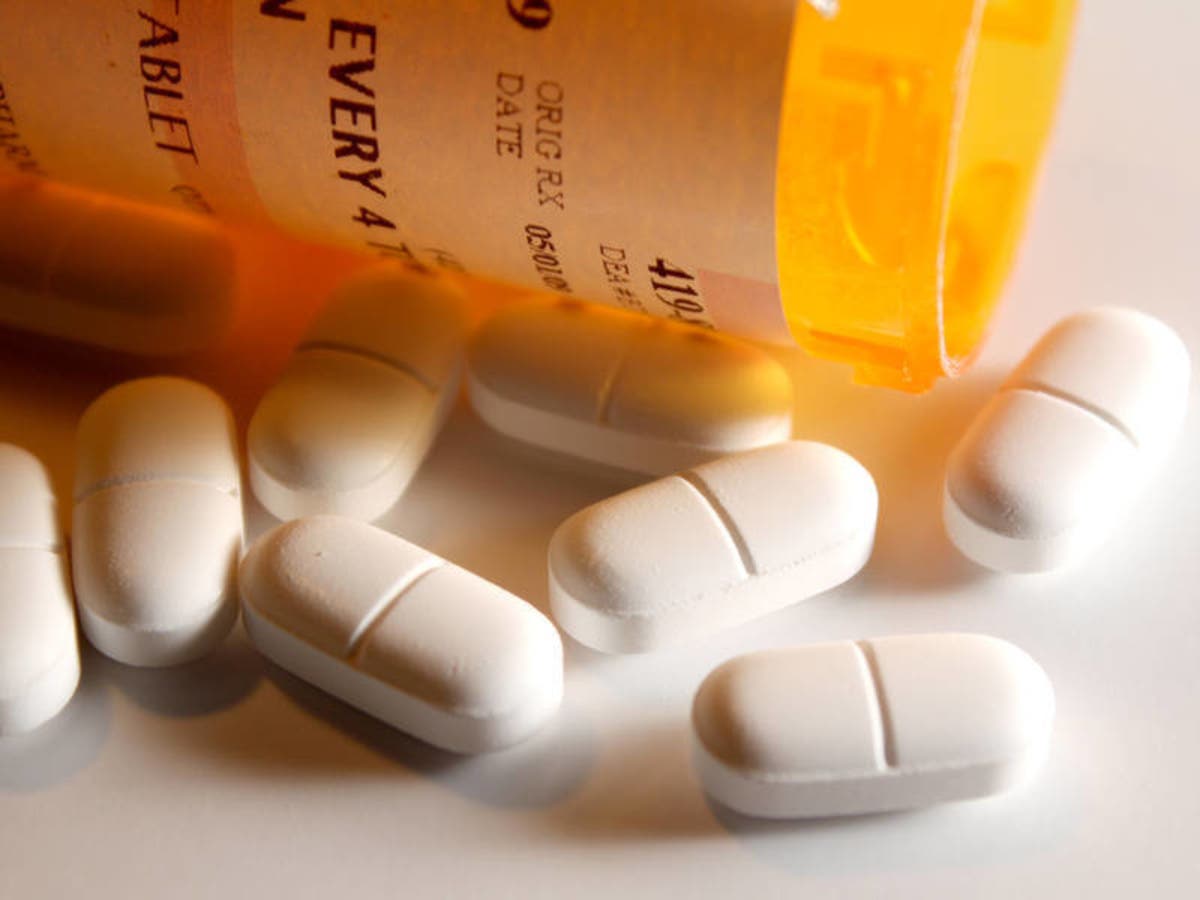
LONG ISLAND, NY — Americans are now more likely to die of an accidental opioid overdose than in a car crash on the road — for the first time in the nation's history, according to a new report.
A new report from the National Safety Council states that the odds of dying accidentally from an opioid overdose have risen to 1 in 96, higher than the odds of dying in a motor vehicle crash, with those odds at 1 in 103.
In comparison, according to the National Safety Council report, the odds of dying from suicide were 1 in 88, dying in falls, 1 in 114, gun assault, 1 in 285, and drowning, 1 in 1,117.
Find out what's happening in East Hamptonfor free with the latest updates from Patch.
"The nation's opioid crisis is fueling the Council's grim probabilities, and that crisis is worsening with an influx of illicit fentanyl,"the NCS said in a release.
Longtime newscaster Drew Scott, who lost his precious granddaughter Hallie to an overdose in 2017, and who served as co-chair on the Southampton Town Opioid Addiction Task Force, was saddened by the new statistics. "Feds say our cars are now too safe, and our kids are more at risk than ever before, it’s just crazy. Read this report and weep for your kids."
Find out what's happening in East Hamptonfor free with the latest updates from Patch.
Fentanyl has dealt a bitter blow to New York State, which has seen an uptick in overdoses linked to the deadly drug — and lawmakers said it's "shockingly easy" for Americans to have fentanyl delivered right through the mail.
A National Vital Statistics report published by the CDC in December, 2018 noted that fentanyl leads the pack in being most frequently involved with drug overdoses from 2011 to 2016 in the United States.
More than 72,000 Americans died from opioid overdoses in 2017, according to preliminary estimates released by the Centers for Disease Control and Prevention in August, 2018. The CDC cautions that the figures are an underestimate because of deaths for which an official cause remains pending.
A significant number of the overdose deaths were reported to be caused by fentanyl, with the CDC estimates attributing nearly 30,000 deaths in 2017 to the synthetic opioid. That represents a sharp increase over 2016, when just over 20,000 overdose deaths were reported to be caused by fentanyl, according to the preliminary data.
Uptick in overdoses among middle aged women
Recently, the CDC announced a shocking increase in drug overdoses among middle-aged women, with the rate of drug overdose deaths in women aged 30 to 64 years increasing 260%, from 6.7 deaths per 100,000 population in 1999 to 24.3 in 2017. Prescription opioid–related deaths increased between 1999 and 2017 among women aged 30 to 64 years, with the largest increases among those aged 55 to 64 years, the CDC said.
"This is a very alarming statistic, and we found overdoses were prevalent among middle aged women in our work at the Southampton Town Opioid Addiction Task Force. There are undoubtedly many factors at play here, including using several drugs at the same time, depression and overdose suicide. It’s not just a young person’s disease any longer — and that’s disturbing," Scott said.
And, said Jeffrey Reynolds, president and chief executive officer of the Family and Children's Association in Mineola: "Addiction knows no boundaries and we are seeing fatalities in every age group from teens to seniors. Fatalities among women are driven by the incredible pressures of everyday life, especially among women with kids who are juggling multiple responsibilities and chronic stress that they often confront alone. Layer on top of that the huge rate of untreated trauma among women and barriers to treatment and you have a perfect storm."
For a single mom with two kids without family support or childcare, Reynolds said, drug treatment options are limited.
"Without treatment, addiction generally gets worse and in many cases, is resulting in death. That’s leaving another generation of kids impacted by addiction, who now, too, are at higher risk for perpetuating a multi-generational cycle of trauma and loss," he added.
FCA’s Hempstead Family Treatment and Recovery Center is the only outpatient treatment center on Long Island that offers onsite childcare, Reynolds pointed out. "Since we’ve added that service, we’ve seen a significant increase in women coming to treatment and higher success rates because they are able to come more regularly.
In other startling news, the number of pregnant women using opioids such as heroin and fentanyl skyrocketed nationwide after 1999, and federal health officials say it now poses a "significant public health concern." Between 1999 and 2014, the national prevalence of opioid use disorder more than quadrupled from 1.5 cases per 1,000 deliveries all the way to 6.5, the federal Centers for Disease Control and Prevention reported in 2018..
In New York, that rate was 4.9 in 2014, the latest year that data was available. That's up from what it was in 1999, when the rate was 1.6 cases per 1,000 deliveries.
Fentanyl's deadly grip
Fentanyl's rise in popularity isn't a surprise, said Reynolds. "Fentanyl has become a major deal in Long Island and elsewhere, which frankly, isn't a shock. We all saw this coming a few years ago, and now many of the skyrocketing overdoses are attributable to drug combinations that include fentanyl," he said.
Fentanyl's allure lies in its potency, Reynolds said.
He added, "There are literally thousands of heavily addicted folks in our region searching for the best and most cost-effective solution they can find, and the stakes continually get higher."
Image via Shutterstock.
Get more local news delivered straight to your inbox. Sign up for free Patch newsletters and alerts.