Neighbor News
Selling Gold: What to Know Before You Sell
If you need some extra cash and are considering selling some gold jewelry, here's what to know and do before you sell.
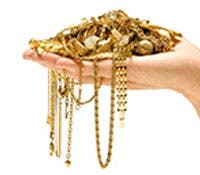
Beware of unlicensed buyers
The first and most important thing to do is to make sure the buyer is legitimate — with the rise in gold prices, there has also been an increase in cash-for-gold scam artists. A Google search for “sell my gold,” or something similar, returns thousands of hits. Almost every jewelry store, pawn shop, and flea market in the country is now buying gold, not to mention online buyers, and many are unlicensed and uncertified. While many jewelry buyers are in fact legitimate, many more are not, especially if they only have an online presence.
Types of scams
Find out what's happening in East Meadowfor free with the latest updates from Patch.
One of the most common online scams is when companies ask sellers to mail their valuables to them. Once the valuables are out of the sellers’ hands, they have to wait patiently for an offer and hope it’s an honest one. What can sometimes happen is either the buyer claims they never received the piece, or, after making an offer, they never return the piece and claim it was lost in the mail.
A second type of scam is when a buyer offers a price far below what the piece is actually worth. While this is an unfair business practice, it is really the fault of the seller if they agree to the offer. That is why it is so important to have an idea what your piece is worth new, as well as what it goes for in its existing condition.
Find out what's happening in East Meadowfor free with the latest updates from Patch.
Gold buying parties
Another gold buying scenario to be aware of is known as gold buying parties. These are gatherings or parties organized by a local sponsor. The sponsor invites their friends and family over to their house, where a “gold buyer” will appraise the guest’s pieces and offer appraisals and cash on the spot. These buyers often pay far under what the pieces are actually worth, which is how they make a profit. The sponsors also usually get a cut of the sales. Again, know what your pieces are worth and understand what the arrangement is between the sponsor and buyer.
Advice for gold sellers
Like any business, the reputation of pawn shops and jewelry stores differ from shop to shop. Some are more professional and offer better prices than others. Research multiple companies beforehand—ask plenty of questions and find out if they are a member of the National Pawnbrokers Association. Unless you know for certain that a company is legit, we recommend you do not mail your jewelry out of town or to an unknown source, as you may never see it again.
Instead, take your pieces to two or three local buyers and get them appraised. In addition to making sure the shop is a member of the National Pawnbrokers Association, make sure its appraisers are certified and/or educated by the Gemological Institute of America (GIA).
If you have multiple pieces, you may want to get individual offers on each piece as one buyer may be willing to pay more for some items than others. Make sure you agree to the appraisal estimate and the terms and conditions of the sale before agreeing.