Community Corner
Fifteen Years Later, the Death Toll Continues to Climb
Many first responders who helped after 9/11 are now battling terminal diseases they contracted at the site.



It has been 15 years since the attack on the World Trade Center on Sept. 11, 2001, and people are still dying.
It’s the reality that many people on Long Island live with every day. Their friends and family -- the people who selflessly gave of themselves in downtown Manhattan after the Twin Towers fell -- are themselves becoming victims of 9/11. Working on the Pile, which the smoldering pit where the Twin Towers collapsed was called, first responders inhaled many chemicals and toxins, causing dozens of different diseases and cancers.
It has created a second wave of 9/11 deaths -- deaths that are being honored along with the people who died in 2001.
Find out what's happening in Garden Cityfor free with the latest updates from Patch.
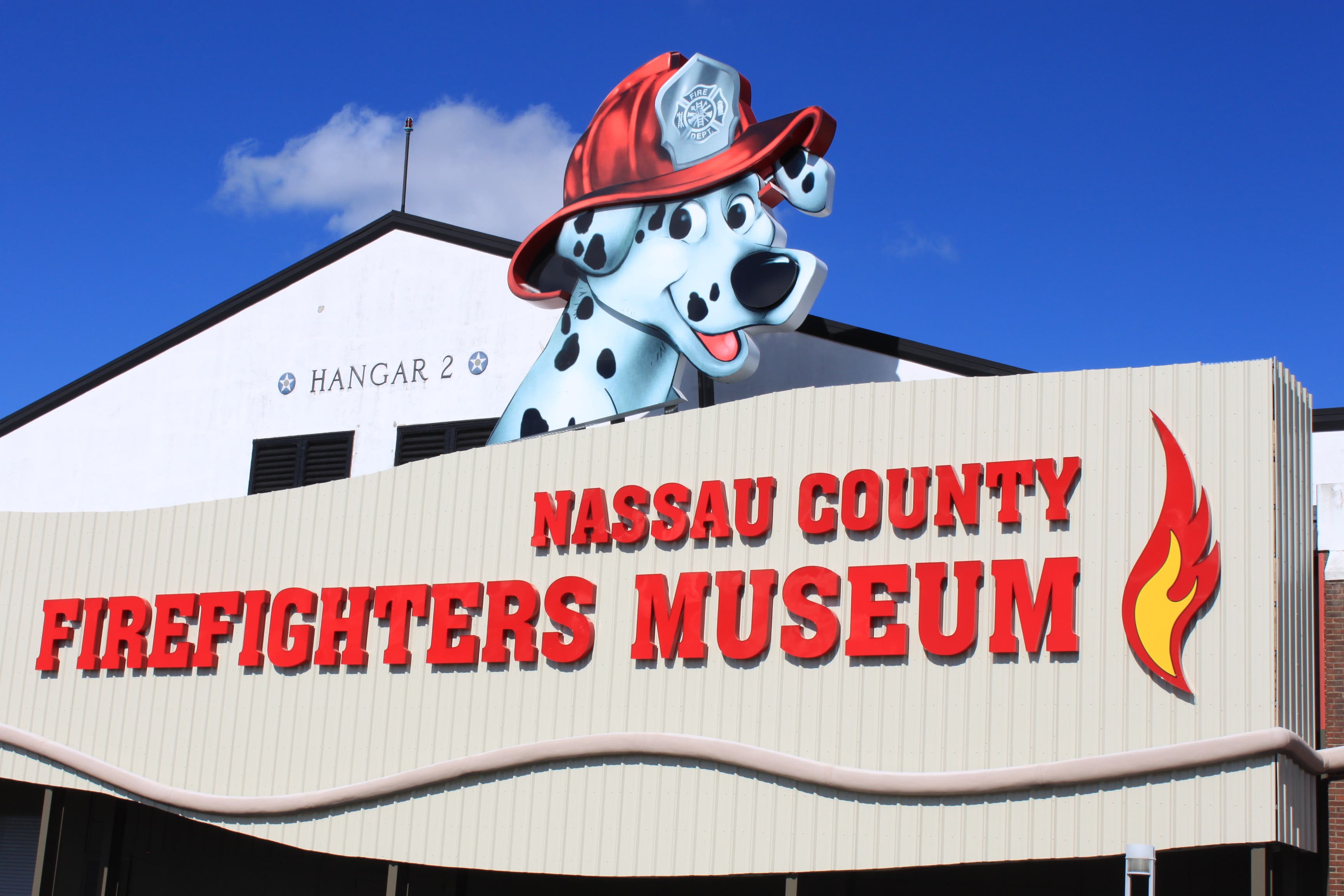
John Murray, an ex-chief of the Rockville Centre Fire Department and the chief educator at the Nassau County Firefighter Museum, has watched many of his friends fight quiet battles against cancers, respiratory diseases, mental trauma and more.
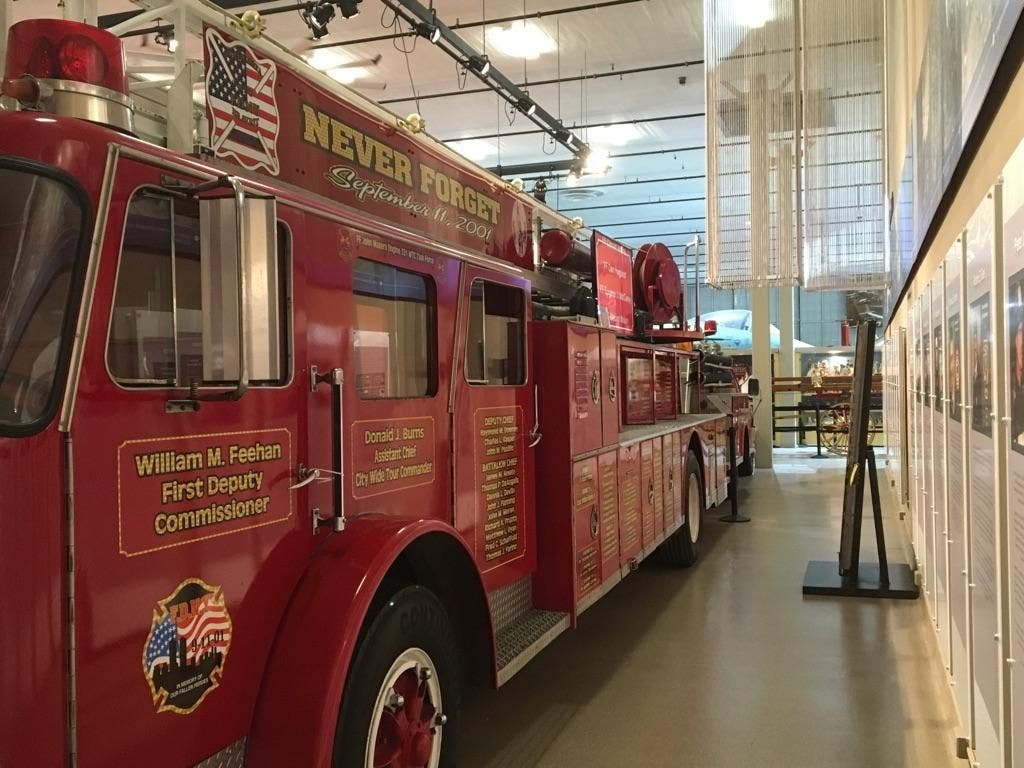
“Five years ago, it was decided that we were going to celebrate the lives of those that had fallen that day,” Murray said. “We put up a massive display in one of our rooms that entailed not only pictures of all the firefighters from Nassau County that were killed that day, but we have a truck. We call it the 343 Truck. And it has all the names of the firefighters and EMS that were killed that day on it.
Find out what's happening in Garden Cityfor free with the latest updates from Patch.
“Unfortunately, here we are at the 15th anniversary,” Murray continued, “and we’re going to be adding about 170 more names to the truck by way of screens that will scroll the names of everyone who’s died since.”
It took years of fighting for first responders to even get officials to recognize that they had contracted illnesses from their time on the Pile. Then it took even more fighting to get Congress to pass the Zadroga Bill to fund healthcare for 9/11 first responders, and then more fighting to reauthorize the bill. But now 9/11 first responders have healthcare for life.
While the aftermath of 9/11 is a national issue, dealing with the healthcare of first responders is very much a New York challenge. There are just under 75,000 people nationwide registered in the World Trade Center Health Program, but more than 65,000 of them are New Yorkers.
“I found that [the first responders] kind of keep it to themselves,” Murray said. “It’s a very personal thing for them and their families. They’re fighting it and doing the best they can. They know their chances of survival aren’t very good, and they’re fighting. Just as they did before they were sick.”
Over the last 15 years, the way the country remembers the events of Sept. 11 has changed. The wounds and memories are not as fresh as they used to be. The unity that came about after the attacks has dissolved. But every day, Murray says he sees people coming to the museum and admiring the memorial. For many, the wounds will never heal.
And for many who responded that day, the wounds are physical and felt constantly. The injuries and diseases they carry will never fade. And there’s not much that can be done.
“I would say this: keep them in your prayers. Keep them in your thoughts,” said Murray. “And appreciate that we still have such sacrifice in this country.”
Photos: Nassau County Firefighters Museum.
Get more local news delivered straight to your inbox. Sign up for free Patch newsletters and alerts.