Neighbor News
SAFE GC Coalition: Parents Learn About COVID’s Effects on Youth
Gabriella Weinberg-Gitlin, LMSW, spoke to parents in SAFE's bilingual Life Skills Training on COVID's effects on youth's mental health.

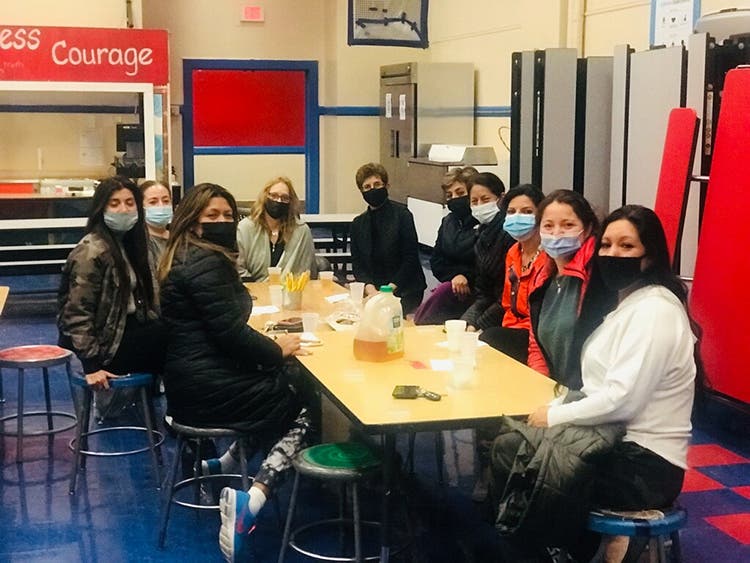
Ms. Gabriella Weinberg-Gitlin, LMSW, recently presented to Glen Cove community parents enrolled in SAFE’s bilingual Life Skills Training (LST) Parent program regarding COVID-19 and its effects on youth- particularly adolescents. The LST program provides parents with the tools and knowledge to be effective, and to learn practical approaches that come with the challenges of raising children. LST for parents includes substance use and violence prevention program components designed to help strengthen communication with their children and prevent them from using drugs and also helps parents prepare their children for a successful and safe transition from adolescence to early adulthood.
COVID-19 pandemic’s social restrictions have prompted a surge in the mental health needs of children of all ages. The psychological toll of COVID-19 serves as a greater challenge for adolescents because this age range (characterized as young people between the ages of 13–17) lack the psychological capabilities of resilience and coping and the physiological development of adults. The mental health challenges of adolescents are even greater among adolescents with pre-existing mental health conditions during periods of crisis, which may be a result of isolation, feelings of uncertainty, lack of daily routines, lack of access to health services provided through schools, and lack of advanced emotional development.
Globally, 10–20% of adolescents suffer from mental health conditions. This statistic is likely to be affected by the vulnerability of adolescents during the COVID-19 pandemic. Due to the negative outcomes associated with poor mental health statuses among adolescents, such as suicide, behavior problems, and emotional distress, Ms. Gitlin stressed the need for further research to build resilience and to reduce anxiety among adolescents. The stressors and motivations to practice social distancing due to the COVID-19 pandemic seem to be difficult for adolescents to process, which results in poor mental health outcomes. The inefficient ability to process difficult circumstances, such as the pandemic are due to negative coping skills, which are risk factors for depression, stress and trauma among various ages of adolescents. The lack of positive coping skills among adolescents is not unusual because adolescent must be provided with the tools to cope in order to be resilient and mentally well during periods of adjustments. However, the exposure to and practice of positive coping skills can lead to mentally well adolescents, who can easily adjust to rapid changes.
Find out what's happening in Glen Covefor free with the latest updates from Patch.
Social support was another major factor identified by Ms. Gitlin, adolescents are still experiencing authentic forms of psychological challenges, such as anxiety and depression associated with the lack of social support and the pandemic. Due to these challenges, it is imperative that support be greatly implemented in homes. Studies have shown that the implementation of social support leads to positive mental health outcomes.
Addiction is another concern for adolescent mental health during the pandemic. Due to stay-at home orders, school closures, or new at home learning methods, students are seeking ways to connect and to socialize in manners that may not be productive for optimal health. The result of these behaviors are smartphone addiction and internet addiction. Both forms of addiction lead to poor mental health outcomes for adolescents. Despite being forced to remain at home, adolescents were identified as still engaging in drug use during the pandemic. Rather adolescents were increasing their use of alcohol and cannabis during the pandemic with 49.3% engaging in drug use alone.
Find out what's happening in Glen Covefor free with the latest updates from Patch.
Ms. Gitlin discussed the following signs of distress in adolescents:
- Changes in child’s mood, such as irritability, feelings of hopelessness or rage, and frequent conflicts with friends and family.
- Change in behavior, such as stepping back from personal relationships
- Difficulty falling or staying asleep or starting to sleep all the time.
- Changes in appetite, weight or eating patterns, such as never being hungry or eating all the time.
- Issues with memory, thinking, or concentration resulting in less interest in schoolwork and drop in academic effort and performance
Speaking with a mental health professional can also be beneficial in navigating ways to help children cope with the trauma of COVID-19 while adapting to new demands at school. Maintaining open communication with children about their feelings on this world topic, as well as creating a positive/ supportive home and school environment is crucial. It is important for children to feel comfortable expressing themselves as this will facilitate support more readily.
To learn more about the SAFE Glen Cove Coalition please follow us on www.facebook.com/safeglencovecoalition or visit SAFE’s website to learn more about the COVID-19 Epidemic and its correlation to increased mental illness, alcohol and substance use in youth and adults please visit www.safeglencove.org.