Politics & Government
Drug Clinics Face Scrutiny In Harlem As Residents Push Back
A "tax revolt" and a new community board resolution aim to stop the placement of drug treatment clinics in Harlem, citing safety concerns.


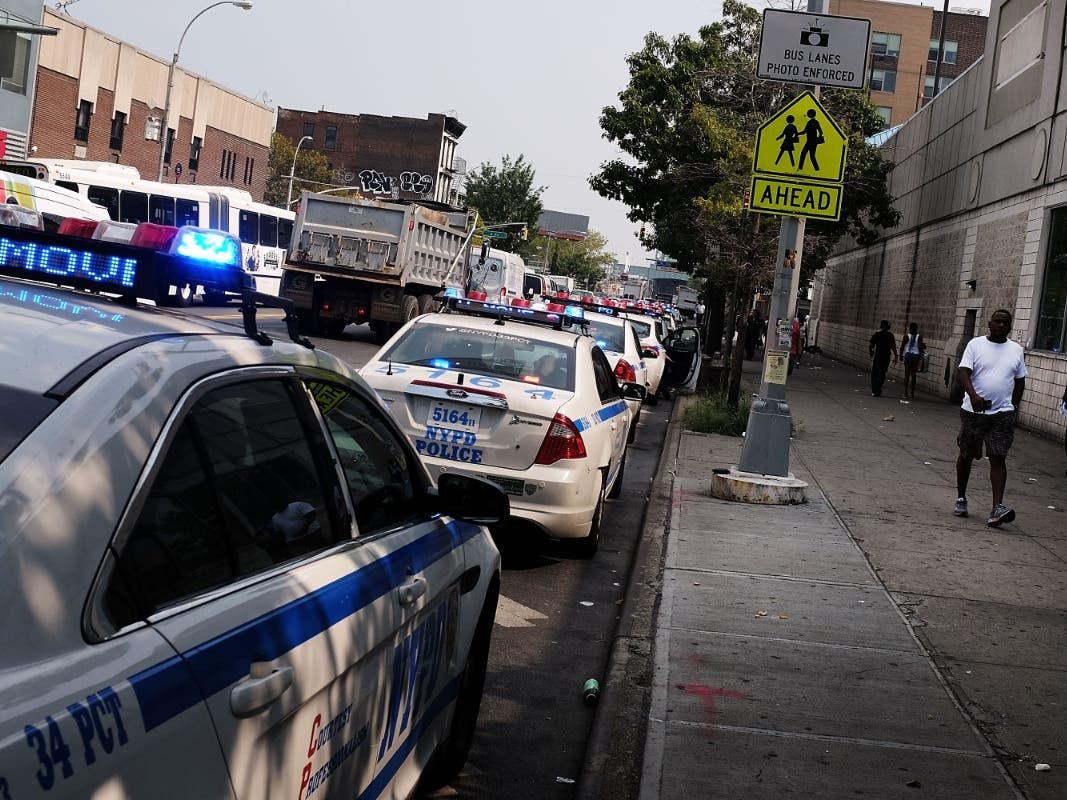
HARLEM, NY — A longstanding debate over the number of drug treatment clinics in Harlem has been reignited in recent weeks, as residents plot a "tax revolt" and a community board calls for a pause on new facilities in the neighborhood.
For years, neighborhood groups have complained that Harlem is overburdened by facilities that treat drug addiction.
As of 2018, Harlem had 19.1 percent of the city's opioid treatment facilities despite making up just 4.3 percent of the population, according to state data obtained by the Greater Harlem Coalition, a group that seeks to reduce the concentration of clinics in the area.
Find out what's happening in Harlemfor free with the latest updates from Patch.
The influx of clients into Harlem each day has given rise to open drug use, discarded needles and filthy sidewalks, according to neighborhood advocates.
On Tuesday, East Harlem's Community Board 11 passed a resolution calling for a one-year moratorium on any new "drug rehabilitation, chemical dependency, or treatment centers" in the neighborhood, to give the board time to contact each provider and learn more about the clients they serve.
Find out what's happening in Harlemfor free with the latest updates from Patch.
It also calls for the state Office of Addiction Services and Supports (OASAS), to share a full list of providers in the district — addressing a concern that some facilities are unlisted and hard to find.
Meanwhile, last week, the Greater Harlem Coalition launched a campaign urging residents to contest their annual property taxes, saying the oversaturation has driven down their home values far lower than what they are currently paying.
"This is a protest. It’s not people who don’t want to pay their taxes," said Maria Granville, a Harlemite who organized the campaign. More than 110 people signed up for Zoom seminars about how to contest their taxes, Granville said.
Tuesday's resolution passed Community Board 11 easily, although five members voted against it.
One of them was Jason Wu, who said he worried the resolution would further stigmatize drug users without addressing the root causes of addiction.
"I would really like to see more of a focus on funding and investment in our community — more investment in affordable and supportive housing, healthcare and economic opportunities," he said. "We have to be very careful to not demonize the people that are directly impacted."
In response, board chair Nilsa Orama said the resolution did not imply that more funding was not needed.
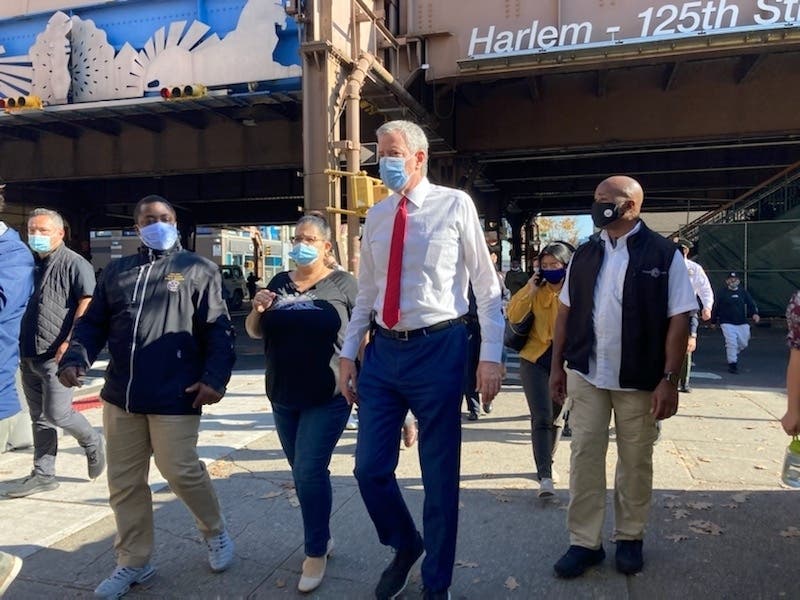
"We need money for everything," Orama said.
Reached for comment, an OASAS spokesperson said the agency's certification process requires all new treatment facilities to notify local officials and community boards.
"OASAS has been in contact with Community Board 11 and is open to continued engagement with them to hear their concerns," spokesperson Evan Frost said.
Related coverage:
Get more local news delivered straight to your inbox. Sign up for free Patch newsletters and alerts.