Crime & Safety
Police Removed From Harlem Mental Health Calls In New Program
Central and East Harlem will be the first neighborhoods to host a new pilot where EMTs, not police, will respond to mental health crises.


HARLEM, NY — A new city program removing the NYPD from most mental health crisis calls will be tried out first in Central and East Harlem starting this spring, officials told the City Council on Monday.
The pilot will be tested in Harlem's 25th, 28th and 32nd police precincts, an area that saw 7,400 mental health-related 911 calls last year — the most anywhere in the city, according to Susan Herman, director of the city's ThriveNYC mental health initiative.
Under the new program, three-person teams composed of two EMTs and a social worker will be dispatched to mental health emergencies — overseen by the FDNY and New York City Health + Hospitals, rather than the NYPD. Police will still respond to calls that involve weapons or imminent risk of harm.
Find out what's happening in Harlemfor free with the latest updates from Patch.
"This pilot represents an important change in how New York City responds to mental health crises and it is imperative that we get it right," Herman told a City Council committee.
East Harlem has been at the forefront of the citywide discussion over the NYPD's role in responding to mental health calls, which ramped up last summer amid the protests that followed the killing of George Floyd.
Find out what's happening in Harlemfor free with the latest updates from Patch.
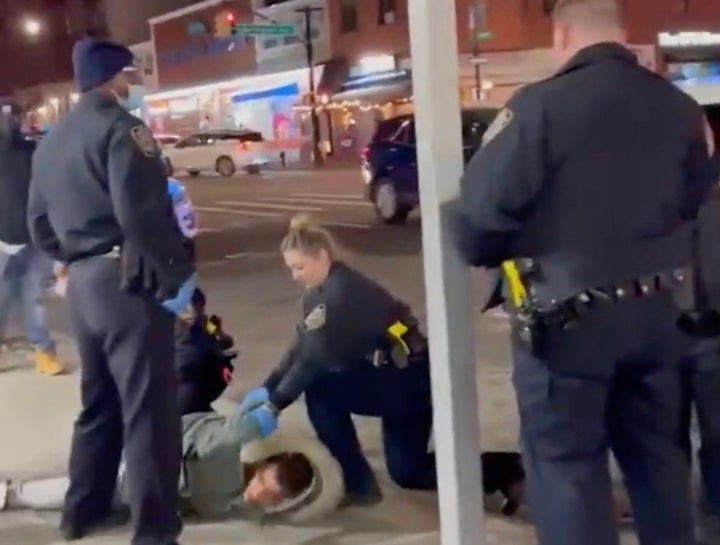
For years, the neighborhood has been plagued by opioid use and residents have complained about mental health crises playing out on neighborhood streets. Last month, footage of police officers taking an impaired man into custody in East Harlem circulated widely on social media, reigniting the debate over how law enforcement treats people who are mentally ill.
Earlier this month, East Harlem Councilmember Diana Ayala introduced a bill in the City Council that would fully eliminate the NYPD's role in mental health calls. Herman, though, said Monday that the de Blasio administration opposed Ayala's bill, calling it premature to change citywide mental health protocols citywide before the pilot is tried out.
The city hopes to expand the program citywide after studying how the pilot plays out in Harlem, Herman said. It will launch this spring once teams are fully staffed and trained.
Ayala said she was "excited" by the city's pilot, but stood by her bill, which she said would ensure that changes to the city's mental health response system last beyond the de Blasio administration.
"If you walk into the street it's pretty obvious that we have a lot of people that are just walking around in serious mental crisis," she said.
More coverage of police and mental health in Harlem:
Get more local news delivered straight to your inbox. Sign up for free Patch newsletters and alerts.