Community Corner
Harrison's History For The History Challenged
A 'Cliff-Notes' version of the beginnings of Harrison.
It is sad but true, that the majority of we Harrison residents know little, if any, of our town's history. Here is the 'Cliff-notes' version for all of the history-challenged among us.
The land on which Harrison is built was Native American land, owned by the Siwanoy Tribe. In 1695 John Harrison approached the Native Americans to buy the land. According to local legend, they gave him 24 hours to ride his horse around an area which would then become his. That area became known as "Harrison's Purchase".
John Harrison soon sold the land to the Quakers who built their first Meeting House in Purchase in 1724. Early Harrison construction was done using slave labor, but the Quakers believed slavery wasn't Christian, and the slaves were freed in Harrison between 1773 and 1783.
Find out what's happening in Harrisonfor free with the latest updates from Patch.
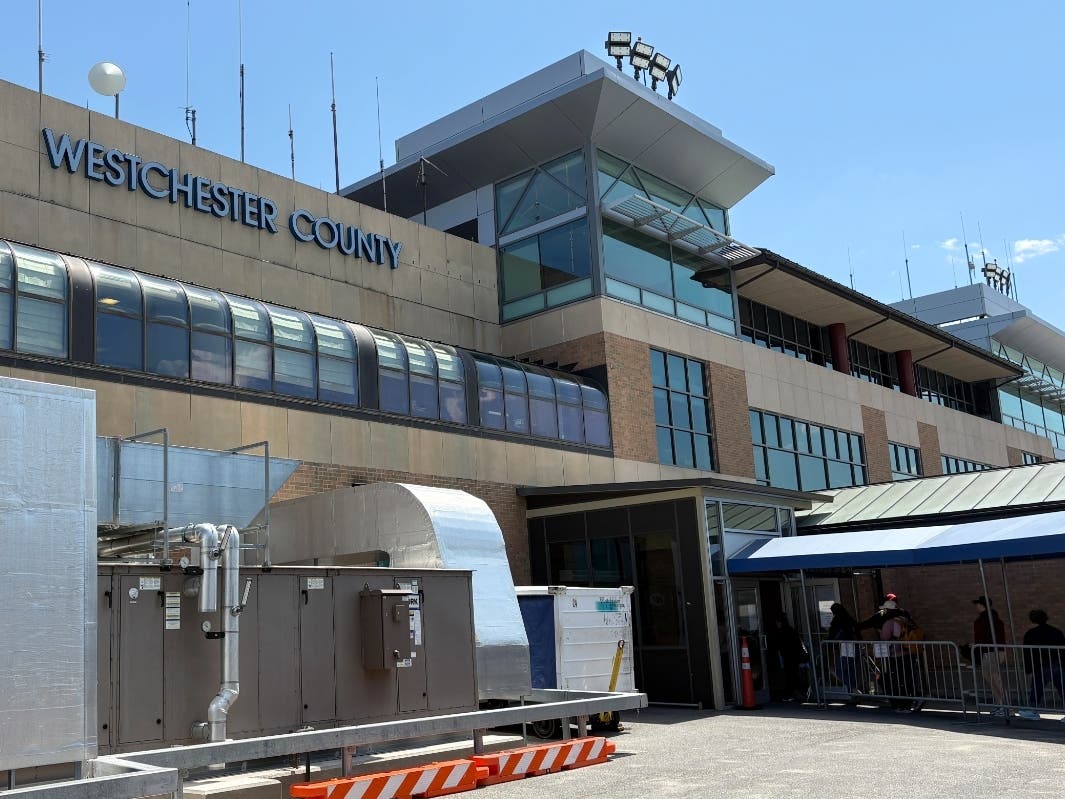
They were then given land by a Quaker, for farms in the Stony Hill area in West Harrison. While the original Quaker Meeting House was destroyed by fire, Quakers still meet today in a building on the original site near Westchester Airport.
The Town of Harrison was also the scene of several revolutionary battles. The hills of West Harrison were geographically perfect for hiding ammunition stores. George Washington's soldiers kept supplies here, which they would then move, by boat up the Hudson River to Tarrytown, then load onto ox carts to take cross country.
Find out what's happening in Harrisonfor free with the latest updates from Patch.
This prompted a two-day battle between the Colonists and the Redcoats at the Horton Grist Mill, off Lake Street in West Harrison in 1732, when British soldiers tried, unsuccessfully, to raid supplies stored in the Mill. The Mill's foundations can be seen today at the south end of St. Mary's Lake. In 1776 one of the last rounds of the Battle of White Plains also occurred on Merritt's Hill bordering Lake Street. There is a monument there today commemorating the battle.
While Harrison's Purchase and Silver Lake areas witnessed early settlement, it was mainly for farms and country homes for wealthy Manhattanites. Harrison's downtown section did not develop until the railroad was built in 1848. Even then, residents working in New York were slow to move to Harrison as residents had to try to flag down the train to get aboard!
In 1870 the Harrison station was built, finally making it more amenable to families who wanted to live in Harrison and commute to work in the city. The new railroad also brought many Italian immigrants to Harrison. They bought small plots of farming land in the Brentwood and Silver Lake districts of town. Their Italian culture subsequently formed a strong part of our town's culture and background.
Today approximately 27,000 people make their home on the land John Harrison bought from Indians over four hundred years ago, that the Quakers settled, where George Washington's soldier's fought, and which has since become the town of Harrison, New York.