Schools
Lice: Are We Overreacting?
Recent studies show that schools might be too quick to diagnose a lice infestation
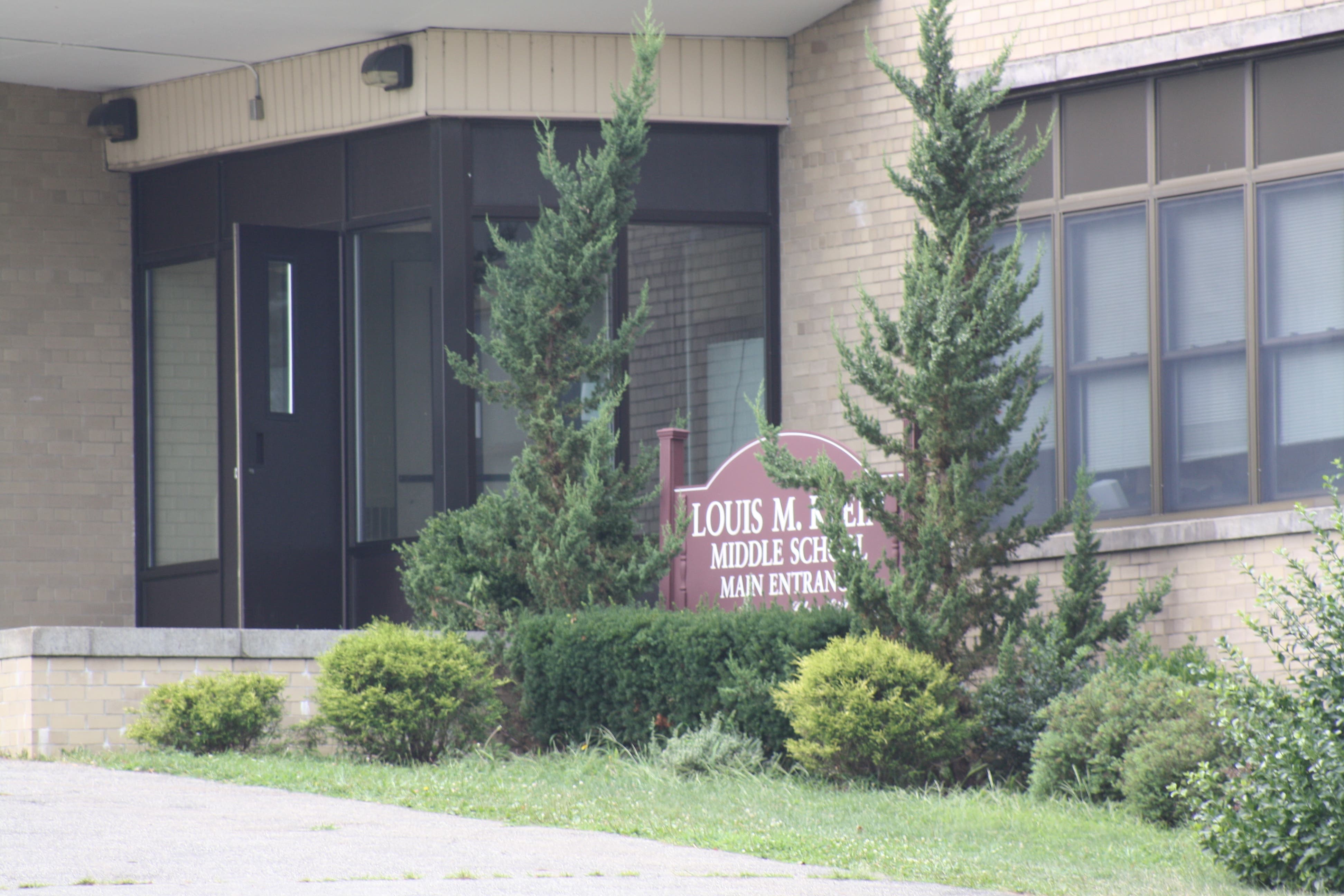

For some parents, this is the most wonderful time of year: back-to-school. However, with the ever-present fear of lice infestations both teachers and parents may be on edge every time a child raises a hand… to scratch his or her scalp.
The Harrison school district's policy on lice infection (or Pediculosis) is pretty standard. Generally, students discovered to have lice are sent home immediately, with letters containing treatment instructions for parents. When the child has been cleared he or she can return to school, but only after being checked over by the school nurse.
Parents often look to place blame on the child who started the spread of the lice infection, and jump at the strongest and quickest forms of treatment. But this is often more harmful than helpful. The National Pediculosis Association (NPA) recently discussed CombFirst!, an initiative designed to encourage early intervention and reasonable action by parents, in order to protect children from treatments that contain pesticides and other chemical-based products.
Find out what's happening in Harrisonfor free with the latest updates from Patch.
"Some products are marketed without safety studies yet recommended for daily use," says the NPA. More information can be found at this helpful site: www.headlice.org.
On July 26 ABC News reported on the American Academy of Pediatrics' new guidelines regarding safe treatment and preventatives.
Find out what's happening in Harrisonfor free with the latest updates from Patch.
"While the 2002 guidelines listed Permethrin (commonly known as Nix) as the approved treatment, the new set adds products known as Pyrethrins to the lineup, as well as benzyl alcohol, which is to be used only when other methods fail," the study said.
The ABC News report reiterated the consensus that many times the reaction to lice is over-dramatic.
The Harvard School of Public Health published the results of their studies on the issue of lice "epidemics" in schools. "The discovery of lice on the hair should not cause the child to be sent home or isolated. Although head lice are transmissible, their potential for epidemic spread is minimal. The basic reproduction number would be far lower for head lice than for infections due to cold or flu viruses."
While this may be true, nobody wants to find lice crawling about in their child's hair. Still, the Harvard School of Public Health says: relax. "The greatest harm associated with head lice results from the well-intentioned but misguided use of caustic or toxic substances to eliminate the lice," said the school's report.
According to the AAP, there have been between six and twelve million lice cases in the United States each year since 2002. The AAP urges school officials to "abandon their no-nits policies, which require children to be free of nits, the empty casings left behind by lice once they hatch from their eggs, before they may return to school."
This may be the logical course of action, but if you've attended public school, you probably remember that a case of lice may be preferred over the grade school teasing that comes with it.