Politics & Government
McDonald's Adds Apples to Happy Meals, But No Veggies
McDonald's is taking steps to make their products healthier, but is the company doing enough to send the right messages to children?
Last week, McDonald's USA said the company was taking steps to make its menu options healthier, particularly for kids.
On its face, this seems to be good news in many ways. Parents, policy groups and even the federal government are pressuring companies to re-assess their tactics when it comes to marketing to children. And the companies seem to be responding.
McDonald's got the most press after the announcement for its planned addition of apples to Happy Meals while also decreasing portion sizes for french fries.
According to nutritional information on the McDonald's website, a Happy Meal consisting of four chicken nuggets, low-fat milk, and french fries has 520 calories. McDonald's said it wants to reduce Happy Meal calories by 20 percent over the next year.
The company also said that by 2020, it will "reduce added sugars, saturated fat, and calories through varied portion sizes, reformulations and innovations...and reduce sodium an average of 15 percent overall across its national menu of food choices."
These are all good initiatives. I drove by a McDonald's sign on road trip last weekend and it said, "BILLIONS AND BILLIONS SERVED." That being said, it's likely, considering such a massive market, McDonald's move could get other companies on board with such initiatives.
SODIUM IN PROCESSED FOODS
Sodium intake is a serious issue for Americans, so it's a step in the right direction that McDonald's is looking at ways to reduce sodium in its foods. According to the CDC, the average American consumes 3,436 milligrams of sodium daily, more than twice the recommended intake of 1,500 mg.
The risks of excess sodium intake include two of the top killers of Americans, namely heart disease and stroke, which are also . Other risks include high blood pressure and complications from diabetes and kidney problems.
People with diabetes and kidney problems are also vulnerable to excess sodium consumption problems.
"Since the 1970s, the amount of sodium in our food has increased, and we are eating more food each day than in the past," says the CDC. "The vast majority of the sodium consumed is from processed and restaurant foods; only a small portion is used in cooking or added at the table."
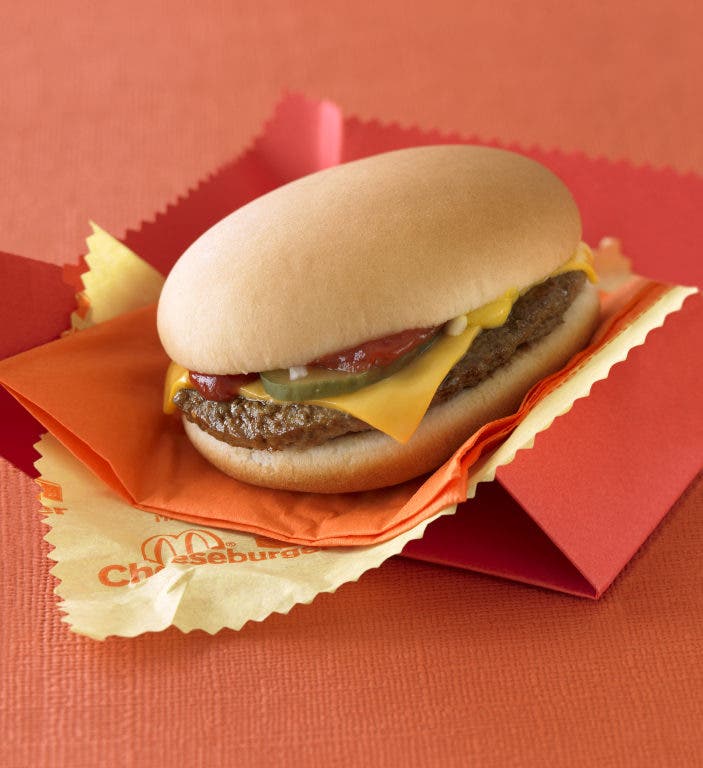
A parent pulls up to the drive-thru. She orders a cheeseburger, apples with low-fat caramel dip, and 1% milk for her daughter. According to McDonald's nutrition information, that meal currently has 920 mg of sodium. If that meal had a serving of fries instead, the sodium intake would increase to 1,040 mg of sodium.
If McDonald's meets its goal of decreasing sodium amounts by 15 percent, both meals would still have more than half the recommended sodium levels.
The CDC says that both sodium intake and the amount of food Americans eat has increased since the 1970s, with "the vast majority of the sodium consumed is from processed and restaurant foods; only a small portion is used in cooking or added at the table."
Some people believe that eating McDonald's once in a while isn't going to kill them,and it probably won't. But when combined with a steady diet of high-sodium and processed foods, chances are it's going to affect your health.
This means that kids who don't eat healthy are exposed for a longer period of time to the dangers of a processed food-dominated diet, high in salt and unhealthy calories.
IS KETCHUP A VEGETABLE?
McDonald's said as a part of their nutrition campaign, the company may assess "alternatives to the automatic apples, such as other produce or low fat dairy items."
The key term here for me is "other produce." The only vegetable you'll find in a Happy Meal right now is...fried potatoes? Do pickles and ketchup count, too?
McDonald's, as well as other fast food chains, should take a look at how vegetables are incorporated into their menu options. Of course someone could order a salad if they really wanted to, but right now Happy Meal fare is a far stretch from something that once grew in the Earth.
The company says that as a part of its nutrition initiative, it "will promote nutrition and/or active lifestyle messages in 100 percent of its national kids’ communications, including merchandising, advertising, digital and the Happy Meal packaging. McDonald’s will also provide funding for grass roots community nutrition awareness programs."
There's a certain moral imperative for the public and others to , but I'm hoping that on-the-go healthy foods like carrot sticks, cucumbers, strawberries, and, raspberries would also be part of the marketing.
McDonald's says its fulfilling its agreement with the Council of Better Business Bureaus Food Pledge nutrition standards just by providing apples with every Happy Meal.
Find out what's happening in Harrisonfor free with the latest updates from Patch.
But in the pledge the company signed in February 2010, it doesn't say anything about vegetables. Instead, the pledge says, "any advertised meal must provide no more than 600 calories; and no more than 35 percent of calories from fat, 10 percent of calories from saturated fat, and 35 percent total sugar by weight."
WHAT'S IN A FRENCH FRY?
Watching your calorie consumption is important, but so is feeding kids foods that are actually food. According to McDonald's ingredient listings, here's what's in a four chicken nuggets, a Happy Meal serving of french fries and apple juice.
Chicken McNuggets®: White boneless chicken, water, food starch-modified, salt, seasoning [autolyzed yeast extract, salt, wheat starch, natural flavoring (botanical source), safflower oil,
dextrose, citric acid], sodium phosphates, natural flavor (botanical source). Battered and breaded with: water, enriched flour (bleached wheat flour, niacin, reduced iron, thiamin mononitrate, riboflavin, folic acid), yellow corn flour, bleached wheat flour, food starch-modified, salt, leavening (baking soda, sodium acid pyrophosphate, sodium aluminum phosphate, monocalcium phosphate, calcium lactate), spices, wheat starch, dextrose, corn starch.
French Fries: Potatoes, vegetable oil (canola oil, hydrogenated soybean oil, natural beef flavor [wheat and milk derivatives]*, citric acid [preservative]), dextrose, sodium acid pyrophosphate (maintain color), salt. Prepared in vegetable oil (Canola oil, corn oil, soybean oil, hydrogenated soybean oil with TBHQ and citric acid added to
preserve freshness). Dimethylpolysiloxane added as an antifoaming agent. (Natural beef flavor contains hydrolyzed wheat and hydrolyzed milk as starting ingredients).
Find out what's happening in Harrisonfor free with the latest updates from Patch.
Minute Maid® 100% Apple Juice Box: Filtered water, concentrated apple juice, less than 0.5% of: calcium citrate, ascorbic acid (vitamin C).
Ketchup: Tomato concentrate from red ripe tomatoes, distilled vinegar, high fructose corn syrup, water, corn syrup, salt, natural flavors (vegetable source).
It's all well and good that McDonald's is making an effort at supporting kids health--they're even donating money toward community health initiatives--but would you really want your child eating this stuff, even once in a while? The decision is left with parents whether or not their kids will eat foods containing TBHQ, dimethlypolysiloxane and sodium acid pyrophosphate.
As for my child, he's eating at home!