Community Corner
Expanded Study Of Huntington's Peter Crippen House Recommended
An archaeologist made the suggestion. A crowdfunding campaign with a $10,000 match was launched to help cover the costs of the study.


HALESITE, NY — After an archaeologist recommended an expanded study of the Peter Crippen House, a site significant to the Town of Huntington's African American history, the town and the 1653 Foundation launched a crowdfunding campaign, the town stated in a news release.
A donor who preferred to remain anonymous offered a $10,000 match to help cover the costs of an archeological study of the house. The donor would match donations made before Oct. 31.
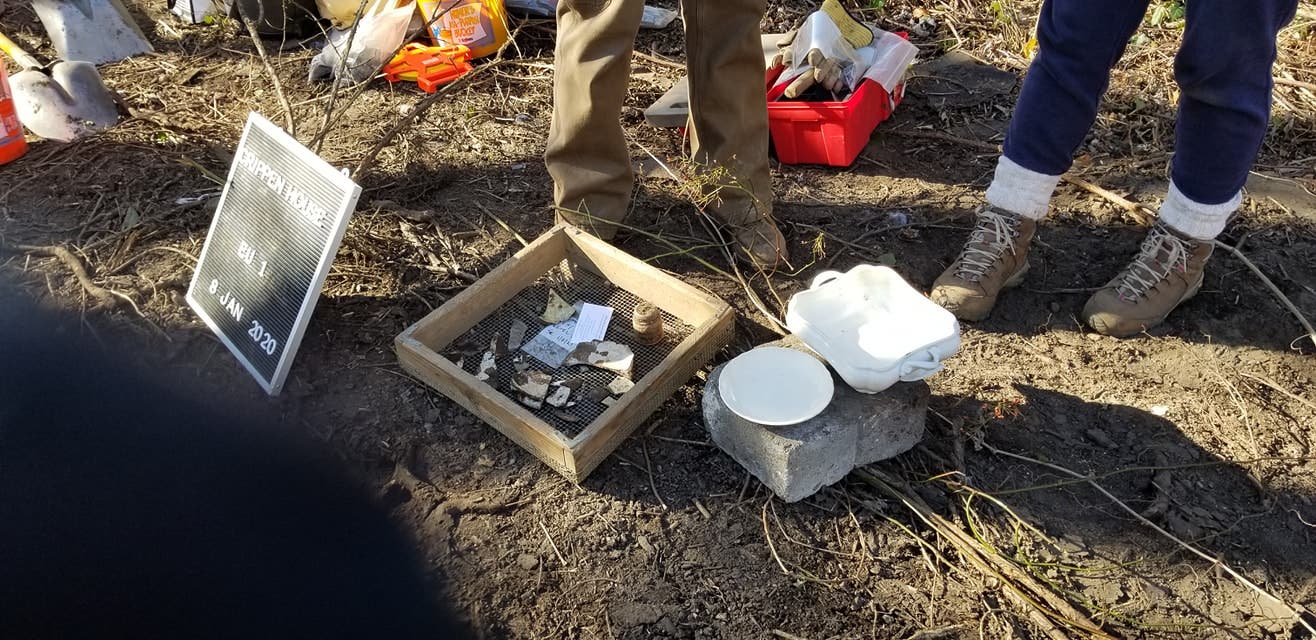
Based on findings from the Phase I archaeological study at the Peter Crippen House, Dr. Allison McGovern recommended an expanded dig, or Phase II study, to uncover historical artifacts from the site. The dig would cost roughly $30,000, according to the town.
Find out what's happening in Huntingtonfor free with the latest updates from Patch.
The town currently has a donation of $5,000 from Empire Auto Group to cover part of the cost, but it needs $25,000 to move the project forward.
Those who wish to donate to the Peter Crippen House archeological dig project can do so here.
Find out what's happening in Huntingtonfor free with the latest updates from Patch.
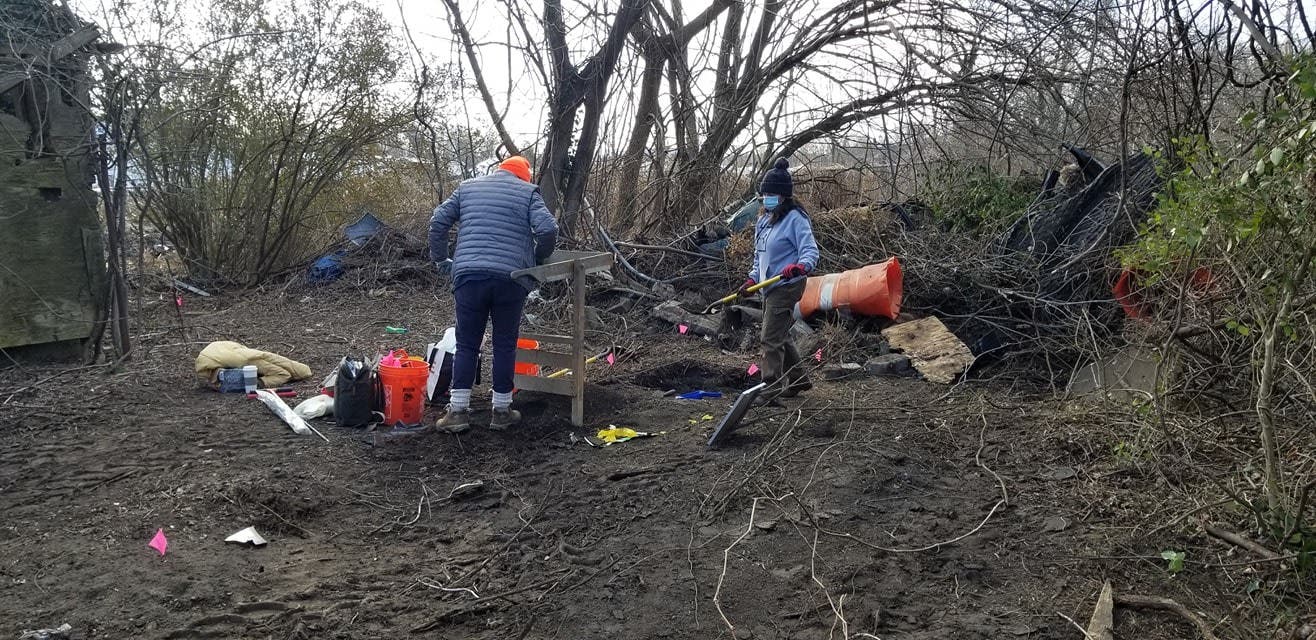
McGovern is an archaeologist with VHB Engineering, the firm hired by the town to oversee the Peter Crippen House archaeological study. The Manes Peace Prize Foundation donated $8,500 to the town to conduct an archaeological study at the site, which covered the cost of the Phase 1 archaeological dig conducted in January 2021 by McGovern, who works with historical societies and local interest groups to investigate aspects of the past through archaeology.
The town is seeking to retain McGovern to complete the project. Her previous fieldwork will inform the process going forward, and if the town were to hire a different archaeological firm to conduct the expanded study, it stated it may feel compelled to replicate the work that has already been completed, adding to the project costs.
"There are very few Long Island-based archaeologists, especially none with the depth of experience Dr. McGovern has working with sites related to the history of people of color on Long Island," Supervisor Chad A. Lupinacci stated. "She is unique in that regard."
Greg Wagner, co-founder of the 1653 Foundation, said the mission of his foundation is to restore, maintain and enhance Huntington's parklands and open space.
"Partnering with a local anonymous donor, the Foundation is facilitating a funding match of up to $10,000 toward the preservation of the history of the Peter Crippen House and other early African American settlers," Wagner stated. "This initiative highlights the home's historical significance and will continue to celebrate the Town's deep historical roots."
The north wing of the Peter Crippen House is believed to be the town's first mill building built in 1658; the mill was taken out of service in 1672, moved from Mill Lane to Creek Road in 1674 and converted into a house.
In 1864, the home was purchased by Peter Crippen, an African American who was born a free person in 1809 on a plantation in Virginia and came to Huntington in the 1830s, arriving to work at the Crossman brickyards in Lloyd Neck in 1836. Crippen was a prominent member of Huntington's African American community: In 1843, he was a founding member of the African Methodist Ebenezer Church in Huntington — currently the Bethel AME Church.
"While the property was not prime real estate, as the building was old even then and on marginal, marshy land, this purchase reflected an important achievement for Crippen, as African American land ownership was rare during this period," the town stated.
After Crippen's death in 1875, the house was expanded to the south. The house stayed in the Crippen family until the town began a $75,000 purchase of it in 2017 and closed on the property in June 2019. In early 2017, the town board removed the structure's historic designation because of its deteriorated condition. A public hearing was scheduled for June 2017 to consider the acquisition of the property for use as extra parking for the Huntington Wastewater Treatment Plant, which sits next door to the site.
In December 2019, the Crippen House and accessory garage were declared to be structurally unsound and in danger of imminent collapse by the town's deputy director of engineering, who is a professional engineer. Perimeter fencing with locked gates provides protection to the public. The town prepared a resolution for the demolition of the structures in May 2020. No one can enter the house.
The town has planned to have any demolition or dismantling of the house overseen by its engineering department to ensure any salvageable pieces of the structure will be properly preserved. The contract with the demolition company requires a pre-construction meeting to discuss options to salvage the timber frame of the structure's oldest section. The resolution was not considered by the Town Board until June 2020, when it passed unanimously.
Get more local news delivered straight to your inbox. Sign up for free Patch newsletters and alerts.