Health & Fitness
Should Long Islanders Be Worried This Flu Season?
Flu outbreak, influenza epidemics, national pandemic - Is the media hype warranted? More importantly, do we on Long island really have to be worried?

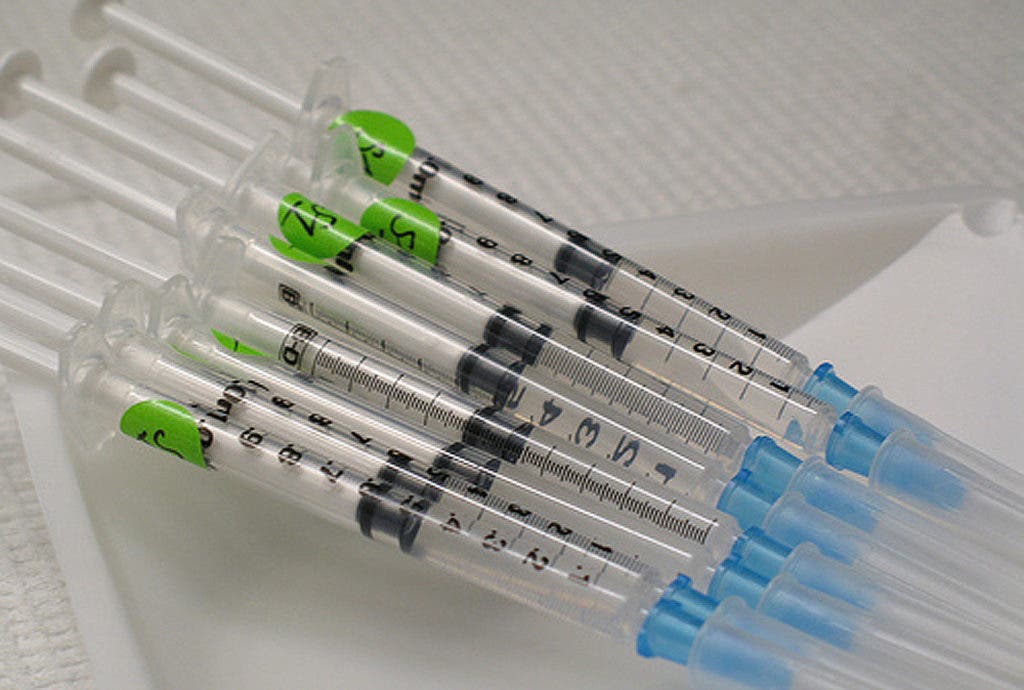


FLU OUT BREAK. INFLUENZA EPIDEMICS. NATIONAL PANDEMIC. These alarming phrases are being tossed around media outlets conveying a serious and severe flu season. What’s the deal? Is the hype warranted? More importantly, do we on Long island really have to be worried?
HERE ARE THE FACTS. New York has already seen two pediatric deaths and 18 children nationwide have died due to the flu this season. 19,128 cases of influenza have been reported in New York at the present time. In comparison, the total amount of positive laboratory tests for the flu last year only amounted to 4,404.
Also, while Hurricane Sandy may be long gone, her overwhelming effects have placed many of us Long Islanders at increased risk for contracting the flu due to less than optimal living arrangements, lack of access to healthcare providers, and from the increased stress of rebuilding our homes and businesses.
Find out what's happening in Lindenhurstfor free with the latest updates from Patch.
THE FLU IS HERE, and based on the CDC’s numbers, we haven’t even reached the peak yet. State officials took note and heeded the public health warnings - New York State Governor Cuomo understandably declared a public health emergency in New York. Such an order isn’t for show or political credentials.
By Cuomo declaring such an emergency he gave pharmacists permission to administer flu vaccinations to people who previously weren't able to receive them - most importantly young patients between the ages of six months and 18 years old. This order suspended state law that previously restricted pharmacists from administering the vaccinations to minors.
Find out what's happening in Lindenhurstfor free with the latest updates from Patch.
Health officials everywhere are stressing how important is it that everyone, adults and children, get their vaccine - and it’s not too late considering the flu season can last as long as May.
SO MANY REMAIN VULNERABLE. During their most recent conference, the CDC stated that the current vaccine uptake estimates indicate only 36.5 percent of people six months and older have received a flu vaccination this season.
Children's Hospital of Philadelphia (CHOP) states on their Vaccine Education Center website, "Many people who die from influenza actually die from complications related to the illness, such as pneumonia or a secondary bacterial infection. Most of these people did not have the vaccine.
In some cases people had the vaccine, but it did not work well enough or at all for them. We know that for every 10 people who get the vaccine, about six or eight of them will be protected from influenza. The others may still get influenza, but in most cases - not all - their disease is mild.”
How devastating can influenza be? History reminds us that it can be vicious and unforgiving. The 1918 influenza pandemic killed 21 million people in a single influenza season.
And of course we only need to look back to the flu season of 2003/2004, one of the most lethal seasons in the past 35 years, with more than 48,000 deaths.
Unfortunately, the dominant type of flu during that season is the same one seen this year.
VACCINE SUPPLY. Still need to get yourself or your family vaccinated? While supply is low, if one is willing to make phone calls, then you’ll be able to find a clinic or pharmacy distributing the flu vaccine. To make the hunt easier, use the HealthMap Vaccine Finder. The site includes more than 40,000 locations across the United States. Users can plug in their addresses or ZIP codes and find which sites are offering vaccine close to home (http://flushot.healthmap.org/).
ARE THE 2012-2013 SEASONAL FLU VACCINES SAFE? Yes. Over the past 50 years, flu vaccines have been shown to be safe in multiple of national and global studies. The 2012-2013 flu vaccines have a similar safety profile as past seasonal flu vaccines.
According the Centers for Disease Control, the most common side effects seen with the flu shot are soreness, redness, tenderness or swelling and nasal congestion after the flu vaccine nasal spray. The CDC and FDA closely monitor the safety of seasonal influenza vaccine and other vaccines, and work to quickly identify new or rare adverse events, or health problems following vaccinations.
GOOD HYGIENE. After vaccinating oneself from the flu, practicing good hygiene is an important part of staying healthy.
Proper techniques include: washing hands often, using a hand sanitizer, and keeping surfaces clean.
People should avoid touching their eyes, nose and mouth, as these areas are the main portals that viruses enter.
An often forgotten tip that can decrease the spread of germs is using a tissue to cough or sneeze and then discarding it immediately.
The media has it right this time; the flu season is not to be easily dismissed. If you haven’t already, protect yourself and your loved ones - get vaccinated today. Stay safe and healthy!
Additional Information and Influenza Resources
- FAMILIES FIGHTING FLU
http://www.familiesfightingflu.org/
- VACCINE EFFECTIVENESS - How Well Does the Flu Vaccine Work?
http://www.cdc.gov/flu/about/qa/vaccineeffect.htm
- WHO SHOULD GET FLU VACCCINE?
http://www.cdc.gov/flu/protect/whoshouldvax.htm
- 2012-2013 SEASONAL INFLUENZA VACCINE SAFETY
http://www.cdc.gov/flu/protect/vaccine/general.htm
Lindenhurst native Melody Butler, BSN, RN, is a pediatric nurse from Good Samaritan Hospital, and the creator of the Nurses Who Vaccinate organization.
Related Coverage:
- Suffolk Notebook: County Executive Urges All to Get Flu Shots
- Blog: Flu Resources for Parents and Teachers
- Blog: Doggie Flu Season
- After Sandy - Long Island Recovers
- Hurricane Sandy Long Island
- The Latest Sandy Updates