Arts & Entertainment
Applying Color Theory to Interior Design
Instruction and information for a do-it-yourself design that anyone can handle.



Color theory lessons are intense and long. When I was in art school, the course was divided into two sections and each was seriously difficult. I think we had five or more assignments due each week! Combine that with 4 other courses of BFA work and it’s enough to make you go nuts.
However, as much as there is to know about color theory, there are a few tips that can help with everyday design. It is essential you understand the basics of color in order to create a finished and beautiful piece of work. Whether it’s interior design or a painting, color is one of the main or most important elements of the complete design.
The Color Wheel
Find out what's happening in Long Beachfor free with the latest updates from Patch.
Remember the color wheel? Well, it’s a nifty little tool to help with all types of design work, especially when designing a space in your home. It's good to know which colors compliment each other, so understanding different palettes is essential. A good way to teach yourself is to use objects in your home. By using items you are familiar with you should pick up a sense of color in no time.
Stop by True Value Hardware or Centre Millwork on Long Beach Boulevard to pick up some paint samples. This is another good way to get familiar with color palettes.
Find out what's happening in Long Beachfor free with the latest updates from Patch.
How Do Colors Make You Feel?
This is a very important element when creating a design. Colors are an extension of who you are and express emotions with clarity. What do you want out of the space? Do you want to evoke energy, or rather have it appear more relaxed? Is the space for everyone in the home or just you? Knowing this is the first step, and then using color to create a personal palette of style is next.
Warmer colors like reds, oranges and yellows create intimate spaces that, although they may be bright and colorful, are homey and alive. These colors bring energy to the room so they would be good for living rooms, kitchens and dining rooms, where people often gather to eat, play games or hang out.
Cooler colors like blues, greens and purples are best at creating relaxed spaces that are soothing and calm. They work great for bedrooms, kids rooms and bathrooms, since you sleep and relax in both. But if you are like me and love to have a crisp, cool and open space, than cool colors are your best bet. If you are worried the room will look too cold, then there are many ways to warm it up with textures, furniture and accessories.
Both warm and cool colors can open a space but in different ways. Cool colors help give a space a clean, airy and modern feel. With the help of whites, it's refreshingly brightened. Warm colors stimulate a space so the energy they create can make a room seem larger that it is. On the other hand, they can also make it seem smaller if the room is already tiny, because it also adds weight to the area.
Color and Extra Elements
Once you have chosen the main color palette for the room, it’s time to figure out other colors that will go nicely. You do this through window treatments, rugs, furniture and accessories. This is the fun part but it’s important to know how colors react when they are together.
Mixing warm and cool colors are fine as long as you do it successfully. This is when complimentary and analogous palettes come into play. Complimentary colors, such as yellow and purple and pink and green, are opposite each other on the color wheel. On the other hand, analogous are colors side by side, such as yellow, green and orange.
So if you have blue on the walls, whether light or dark, keep it cool by using grays, whites, browns and greens. These neutral colors will accent the space but not change the feel you have created. Adding pops of orange, black and pink will bring more energy into the space.
If warmer colors surround the room, then darker neutrals such as browns and greens will work. Adding whites will allow the space to pop even more, while dark blues and oranges spread the energy more throughout the room.
An easiest scheme is to pick one color you love, say blue, and then just add white. Using different tones of the main color will add depth and interest without creating friction.
To find some great accessories and more, visit Pier 1 Imports on East Park Avenue, or Frances Stoia Associates on West Park Avenue.
Accessories: Textures and Patterns
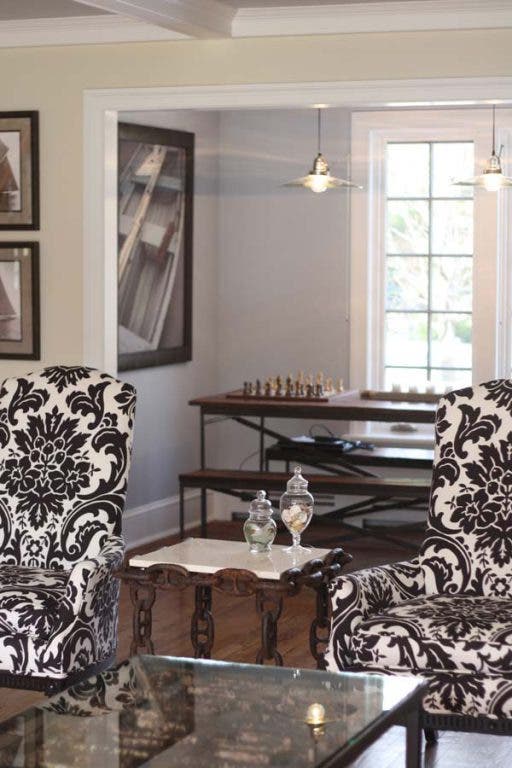
Use patterns to really bring in style and personality. Have fun and get creative. Whether its stripes, plaids, floral or illustrative design, adding these elements will complete the space. Adding colored pillows to a white couch warms it up, while a rug can add weight to a room. The lampshades, curtains, blinds and the fabric on seating can all make a big difference in a space.
Adding texture to a design is important as well. You don't want a room to feel flat or dead. Texture can be found in window treatments, rugs, fabrics on furniture, blankets and accessories, both on the wall and throughout the room. Just don't overdo it because too much texture can feel stuffy. You want just enough here and there to add depth and warmth.
Visit the Treasure Chest on West Beech Street for some interesting finds, as well as Kings N Things. And don't forget about Long Beach Craft & Variety on West Park Avenue.
So, get a better understanding of color and you will see how your world changes for the better. Living in a space that is poorly designed can really take its toll, even if you don't realize it. I'm not saying everyone has to be an amazing designer, but with a few easy tips and practice you can proudly say you designed your home with confidence.
Just remember that color creates life and energy, but it can easily make a space feel dead and cold. By using different tones and hues, you can experiment to see what you like and how colors make you feel. The most important thing about a house is that you feel like you're at home.