Community Corner
Increase In Ticks, Lyme Disease, 'Red Meat Allergy' Across LI: Experts Weigh In
"Consider yourself to always be at some level of tick risk," health officials say.

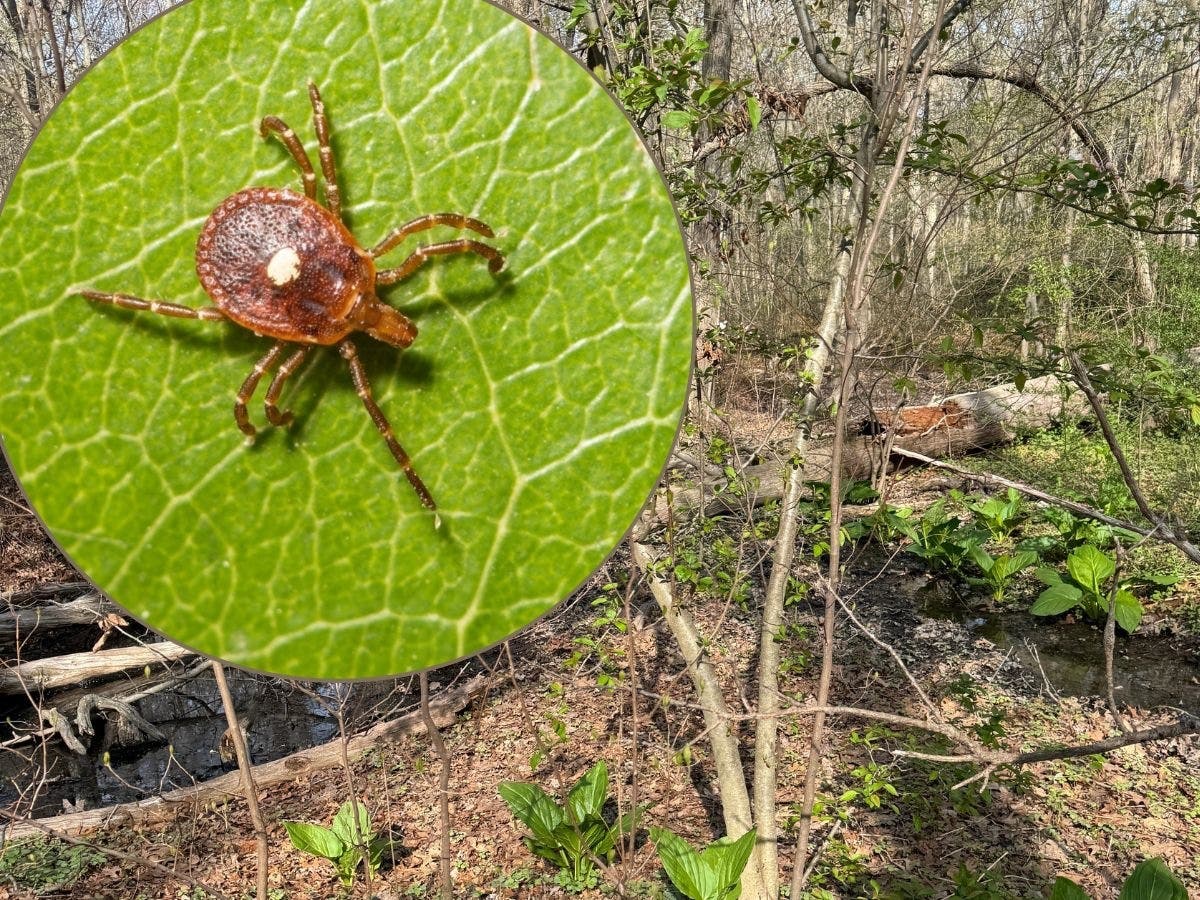
LONG ISLAND, NY — Long Island is seeing an increase in ticks and doctor visits for tick-infected illnesses and rashes, especially with the advent of the warmer months, officials said.
According to the New York State Department of Health, the tick risk score of encountering a blacklegged (deer) tick across Long Island, for both adults and nymphs, is in the "high" range at a 3.7 out of 5.0.
In 2024, there were 3,152 reported cases of Lyme disease in Suffolk County and 521 in Nassau County, according to the NYSDOH. That number has been steadily increasing, and in comparison, in 2019, there were only 433 reported cases of Lyme disease in Suffolk County and 136 in Nassau County.
Find out what's happening in Long Islandfor free with the latest updates from Patch.
Karen Wulffraat, administrative director at the Tick-Borne Disease Resource Center & Clinic at the Stony Brook Southampton Hospital, said the clinic saw a 35 percent increase in the number of patients seen in 2025, compared to 2024.
"Lyme disease remains the most commonly reported tickborne illness in Nassau County, with cases remaining elevated over the last few years," the NCDOH said. "There has also been an increase in some other tick-borne diseases, including babesiosis and anaplasmosis."
Find out what's happening in Long Islandfor free with the latest updates from Patch.
The CDC has reported the number of ER visits for tick bites, which can be found online.
Ticks found on Long Island
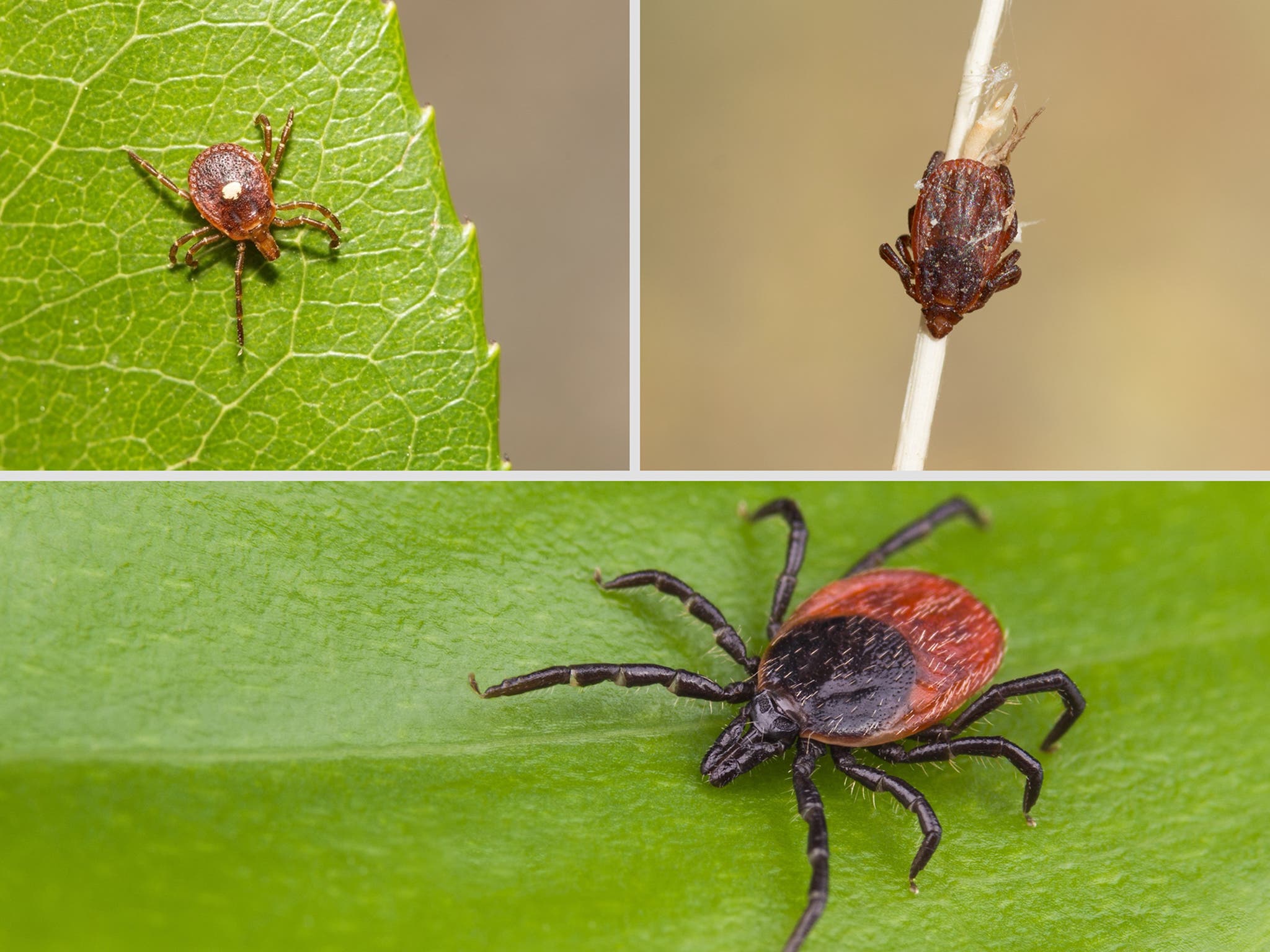
There are five types of ticks primarily found on Long Island: The Lone Star tick, American dog tick, blacklegged (deer) tick, the Asian longhorned tick, and the Gulf Coast tick.
Long Island has seen an increase in the Lone Star tick over the past few years, Dr. Scott Campbell, laboratory chief, arthropod-borne disease laboratory at Suffolk County Department of Health Services, told Patch.
said. For years, the East End has been hit hard by tick-borne diseases due to a burgeoning deer population, which Campbell said is moving westward.
Efforts to eradicate the swelling deer population have led to culls, which some have deemed controversial, on the East End.
Joellen Lampman, tick and school IPM coordinator for the Cornell Integrated Pest Management Program, said the five types of ticks can be found across the board, and possibly ven inside.
And now, Nassau County is grappling with a growing tick presence.
"Nassau County has all of them at increasing levels," she said. "Each of them are most active at different times of the year, with no time being completely safe."
Why an increase?
Tick specialists said the tick populations are driven by many factors, including temperature and deer population. Dr. Campbell said looking at a year-to-year chart of tick population and tick-borne diseases on Long Island, it is not always an increase or a decrease that has sparked concerns, but instead, an overall upward trend.
"With regards to tick-borne diseases, locally as well as nationally, they just seem to be climbing," Dr. Campbell said.
Drzewucki agreed that Nassau County is seeing an increase, whereas it used to primarily be Suffolk County that saw more ticks.
"20, 30 years ago, I never used to see them, but climate change has changed our environment, so that's one reason we're seeing more," he said.
He added that deer are infiltrating Nassau County, bringing white-footed mice with them. These mice are an alternate host for a tick to feed on, so many times, the tick will pick up the disease from the mice, as well as the deer, and consequently, transmit those health concerns to humans.
While all agree that the issue is complex and it is difficult to pinpoint one specific reason for the overall increase, experts have verified factors:
- Increase in deer.
- Increase in white-footed mice.
- Temperature changes, including extreme hot summers and extreme cold winters.
"What we are finding is it seems there are more adult blacklegged ticks out currently," Campbell said. "They were there all winter long, but because of the snow, they were unable to quest and find a blood meal."
Ticks thrive in humid temperatures and need moisture, so they were able to survive under the blanket of snow Long Island received during winter, experts said.
With the snow gone, they are actively feeding. Dr. Campbell said in the beginning of spring, they tend to find very few ticks, but with the warmer months, a slight increase has been evidenced.
In general, tick populations can be localized even across Long Island, experts said. One town may have more deer and more ticks than the town just a few minutes over.
"So, 50 years ago, the Lone Star tick was really only starting to be witnessed on the East End," Campbell said.
Ticks need hosts to feed on, and females feed on deer; they can lay anywhere from two to 6,000 eggs, depending on the species, he said.
"It doesn't take long before you can have a significant increase in tick populations," Campbell said.
Diseases
Ticks can be infected with any of the pathogens causing Lyme disease, Alpha-gal syndrome, anaplasmosis, babesiosis, hard tick relapsing fever, or Powassan encephalitis, according to Lampman.
The Centers for Disease Control and Prevention said that untreated Lyme disease can produce a range of symptoms that depend on the stage of infection. In the beginning, symptoms may be seen physically on the body, resulting in, for example, a bull's-eye rash. Some other symptoms include fever, facial paralysis, an irregular heartbeat, and arthritis.
Babesiosis, Lampman said, is a malaria-type disease that needs to be treated very differently from Lyme or anaplasmosis; the Powassan virus can be transmitted within minutes of the tick becoming attached.
"The other tick impact that has been getting a lot of attention is the alpha-gal, aka 'red meat allergy,'" Lampman said. "Mostly associated with Lone Star ticks, we now know that it can be transmitted by blacklegged ticks as well. You really do not want to be bitten by a tick."
Dr. Campbell said that in laboratory conditions, it has been shown that there is a delay in the germs that are passed from the tick to humans in germs that cause certain illnesses, such as Lyme disease.
"That's the number one tick-borne illness in Suffolk County and the nation," he said.
That germ is a bacterium that is found in the gut, and the tick gets it from the white-footed mouse that's infected with the bacteria — and will pick it up after they digest a meal and molt into the next stage, he said.
Then, they're able to transmit the germ to something else, whether it's a mouse or a human, so that bacterium sits in the gut waiting until the tick starts to feed.
As the tick feeds, it stimulates that bacterium to move out of the gut and into the body of the tick, ending up in the salivary glands; it will then be secreted with saliva from those glands into the bite, he said.
"That process takes about 36 hours in laboratory conditions," he said. "So we have about 36 hours or so to get that tick off before we're infected. Some are shorter than 36 hours, some are maybe a little longer, but again, the point is to try to get them off as quickly as possible."
Alpha-gal syndrome is the "red meat allergy" that is essentially a sugar molecule or carbohydrate found in most mammals, such as dogs, cattle, deer, but not humans, Dr. Campbell told Patch.
The alpha gal molecule is found in tick saliva in both the Lone Star tick and the blacklegged (deer) tick. When someone is bitten by a tick that has that molecule, the alpha-gal enters the body, and the human body sees it as "something foreign" and creates antibodies to fight it. The more molecules, the more antibodies, and the more times someone is bitten, the more they will have an increase in that antibody, he said.
"Some people can have high antibody levels and not have any symptoms," he explained. "Other people can have lower antibody levels and have symptoms."
When someone eats red meat, alpha gal is digested and absorbed into their blood, but if the immune system sees it as a foreign substance, they create an immunological assault on those molecules after two to six hours — basically an allergic reaction.
"It's not immediate like a peanut allergy or a bee sting," he clarified, adding that the symptoms can be hives, a rash, stomach upset, or difficulty breathing like anaphylaxis.
"If people continue to be bitten by ticks and then continue to eat alpha gal-products, then the condition will get worse, and it never goes away," he said.
On the positive side, he said, if people who were affected stop eating red meat, their antibodies will start to come down over time, perhaps after one to two years, and they should be able to start to reintroduce red meat into their diets.
Cornell Integrated Pest Management's website has additional information on the possible health impacts of a tick bite.
Vincent Drzewucki, a horticulturist and tick expert, is also a Long Island resident with more than 50 years of experience working outdoors.
He said he grew up spending most of his life outside, and yet, he has never seen as many ticks in past years — the numbers now are unprecedented, he added. Drzewucki has never been bitten, and he said it's all due to prevention tips and taking precautions when working in heavy brush.
"I've never had a tick on me," he said. "I've also never gotten poison ivy because I protected myself."
Despite all the information that's been garnered about tick-borne illnesses, Drzewucki said there is more that remains unknown, so the best advice is to stay safe.
"The most important thing is just to protect yourself and be knowledgeable about ticks," Drzewucki said. "Be aware. Learn how to protect yourself, and you won't have to be miserable dealing with ticks, removing them, and worrying. These diseases are terrible. I don't think we really know everything we need to know
The Nassau County Department of Health added that there are steps people can take to reduce tick exposure.
"Ticks are active on Long Island," the NCDOH said. "Prevention is the best protection."
Lampman cited a March 2026 Ohio State University study that indicated that Lone Star ticks and Gulf Coast ticks can survive indoors for up to two weeks.
"The first tip is to consider yourself to always be at some level of tick risk," she said. "Which means that you no longer need to decide whether to take precautions against ticks. Making tick protection part of your daily routine will ensure year-round safety."
Prevention Tips:
The following prevention tips were recommended by many of the health officials Patch spoke with:
- Conduct a daily tick check year-round on yourself and any children and pets.
- Lampman said it is recommended to commence those checks in the shower, spotlighting the warm, dark places of the body that a tick can latch onto. It is also safer to have a tick fall off in the shower than on the bedroom floor or carpet, experts said.
- Wear long pants tucked into tightly-woven high socks and tuck in shirts.
- Shower after a day outside or hiking.
- Throw clothes into the dryer, especially immediately after coming inside from a day outdoors.
- Ticks can survive a wash-dry cycle, even if the water is on hot.
- Spray clothing with Permethrin for outdoor activities; the substance can be toxic to cats in its concentrated form, but once it is bound to the cloth, it is no longer a risk, Lampman said.
- Some repellents can interfere with the tick's ability to sense humans.
- Stay away from tall grass, heavy brush, and even edges of tall lawns.
- Even lawns can carry ticks if the grass is taller than a few inches in height.
- Take care of the property.
- Rake leaves – otherwise, they represent a great habitat for ticks, one that fosters tremendous reproduction, Drzewucki said.
Drzewucki added: "Stay away from the edge of the lawn, which is where ticks hang out to clasp on to a warm-blooded animal or human passing by," he said. "Ticks need the moisture under the leaves to survive. They are very fearful of drying out, and that's where they'll come out during the day and try to latch on to an animal, but if it's a very hot, dry day, they'll hide in the underbrush and the leaf litter to stay moist. If they dry out, they die."
"Permethrin-treated clothing is my number one recommendation for protecting children," Lampman said.
Lampman added that the CDC conducted a study showing that "minimum-risk products" were minimally effective.
"When choosing repellents, it is important to remember that we need to weigh any risk of wearing a repellent or permethrin-treated clothing with the consequences of a tick bite and the variety of potential health impacts," Lampman said.
Dr. Campbell stressed the importance of the tick check defense method as a year-round procedure.
"In Suffolk County, the blacklegged ticks are active all winter long, so when the day is above 40 degrees, people are potentially at risk of being exposed to ticks and tick bites if they're outside," he said.
Drzewucki also advised tucking pants into socks and binding them with either a belt or rubber bands – anything to help prevent a tick from crawling up into shoes.
"I worked in landscaping," he said. "I worked at nurseries. I do a lot of tree work. I never wore shorts and sandals, even in the summer, if I knew I was going to be working in heavy brush. Arborists wear long sleeves to protect themselves."
What To Do If Bitten:
Health officials told Patch that if someone finds a tick attached to their skin, the tick should be removed promptly with these steps:
- Use fine-tipped tweezers, grasping the tick as close to the skin as possible and pulling upward with steady, even pressure.
- If the mouthparts break off, Lampman said to treat it like a splinter.
- After the full tick has been removed, disinfect the bite site with soapy water, peroxide, rubbing alcohol, or iodine, the NCDOH said.
- Save the tick in a container with a date, where it was attached on the body, and the species, if known, in case symptoms evolve over the next two months. Place the tick in a zippered plastic bag or jar of alcohol and avoid having it crushed or manipulated.
- Seek a medical provider.
"Keeping the mouth parts in the head and the body altogether will prevent the toxin or the disease from going into your body," Drzewucki said, adding to work slowly and with proper tools when removing the tick for best results.
"A tick bite does not automatically mean someone will become ill, and it does not necessarily mean they need testing right away," the NCDOH said. "It is most important to watch for symptoms in the days and weeks that follow, such as fever, rash, fatigue, or joint pain, and contact a healthcare provider if symptoms develop."
There's also a chance that illness might evolve from a tick that was never found. The CDC said that negative results can lead to false assurances, and individuals may have been unknowingly bitten by a different tick that was infected.
There are various clinics to contact across Long Island if bitten by a tick, including the Tick-Borne Disease Resource Center in Hampton Bays.
The Suffolk County Health Services also has additional information on ticks.
The Nassau County Department of Health said there was a recent summary of tick-borne disease incidence in Nassau County online.
In addition, the Cornell College of Agriculture and Life Sciences' 'Don't Get TICKED' website has various resources.
Get more local news delivered straight to your inbox. Sign up for free Patch newsletters and alerts.