Politics & Government
State Senator Proposes Law Banning Use Of Carcinogenic Chemical
1,4-Dioxane is found in high quantities in Long Island water. Sen. Todd Kaminsky hopes to curb it.


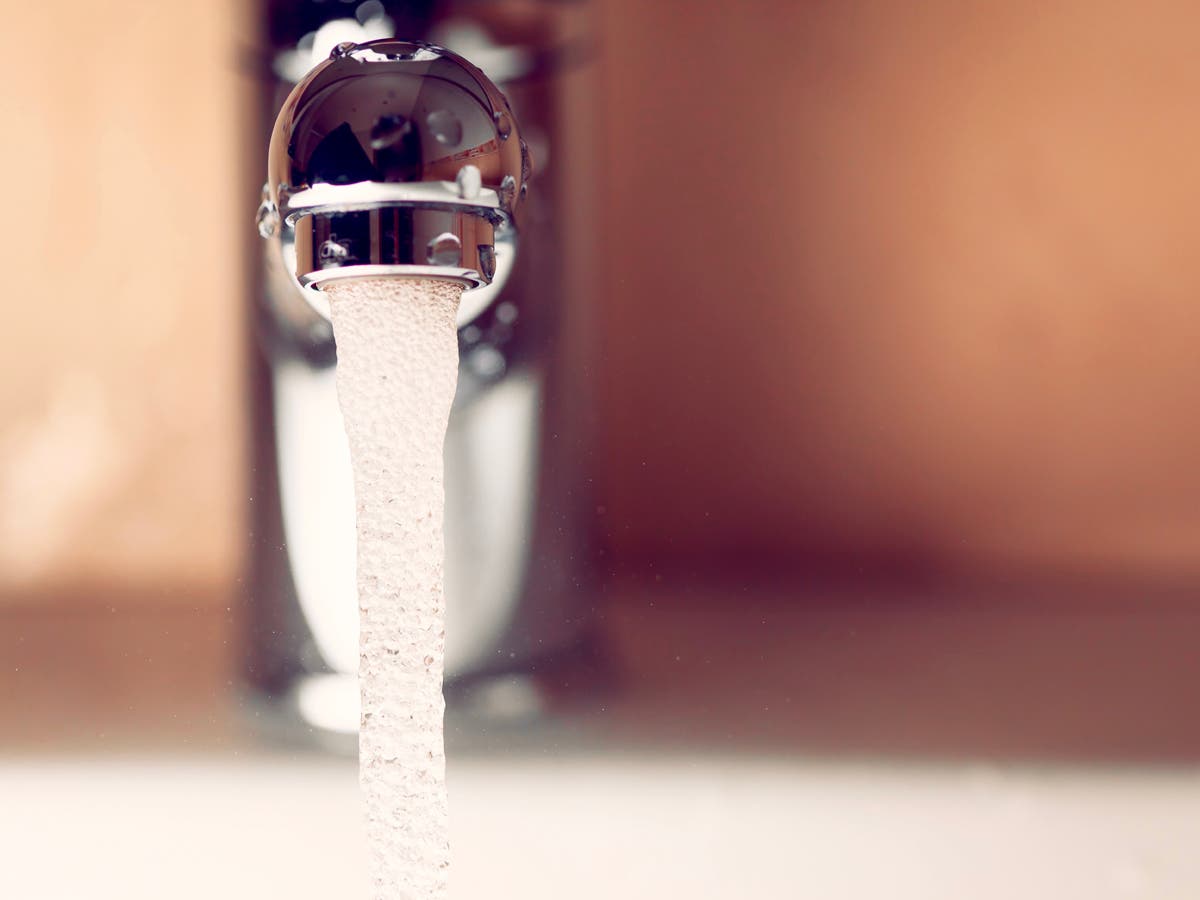
State Sen. Todd Kaminsky, a Democrat from Long Beach, has put forward legislation that would ban the carcinogen 1,4-Dioxane from cosmetic and cleaning products. Dioxane, it was revealed this year is, prevalent in Long Island's water supply. In fact, Long Island water has the highest concentration of the chemical anywhere in the country.
Kaminsky, the ranking member of the Environmental Conservation Committee, is sponsoring the legislation to help get the chemical out of the water, since it is not controlled by the federal government.
"In the absence of federal action on 1,4-Dioxane, New York has made some progress," Kaminsky said. "Yet while we wait, more and more of this hazardous chemical is seeping into our water supply. My legislation will protect our drinking water by reducing contamination from the hazardous chemical 1,4-Dioxane in products that are often flushed down the drain. Albany cannot be complacent when it comes to protecting the health of New Yorkers, and I will keep fighting to protect our water supply."
Find out what's happening in Long Beachfor free with the latest updates from Patch.
According to the EPA, 1,4-Dioxane is often used to stabilize solvents in the ground, is a byproduct of textile production, is used as a purifier in the production of pharmaceuticals, and is a byproduct of manufacturing certain types of plastic. The EPA says it is "likely carcinogenic in humans." Prolonged exposure to a purer form of the chemical can also cause skin, kidney and liver damage.
Kaminsky proposed legislation in January to study the effects of the chemical on Long Island's water.
Find out what's happening in Long Beachfor free with the latest updates from Patch.
The legislation Kaminsky is proposing now would prohibit the sale of all products containing 1,4-Dioxane and require manufacturers to use alternative chemicals. Manufacturers who demonstrate that the use of a product does not result in exposure and that the removal of 1,4-Dioxane isn't financially or technically feasible can apply for a one-year waiver.
Despite the Environmental Protection Agency labeling 1-4 Dioxane as “likely carcinogenic,” the chemical continues to be found in many consumer products, including cosmetics, detergents, deodorants, shampoos and baby shampoos. The EPA has not established a nationwide standard for the amount of exposure to 1,4-Dioxane considered safe, leaving individual states to determine their own limits. However, state law says there can be no more than 50 parts per billion of the chemical found in water. The Water Authority of Western Nassau County says its water meets that standard and is safe to drink.
Photo: Shutterstock
Get more local news delivered straight to your inbox. Sign up for free Patch newsletters and alerts.