Neighbor News
How Hackers are Winning and AI Race and How Small Businesses Can Catch Up
Hackers are using AI to create emails, deepfakes, and malware that your employees may not even recognize as fake.

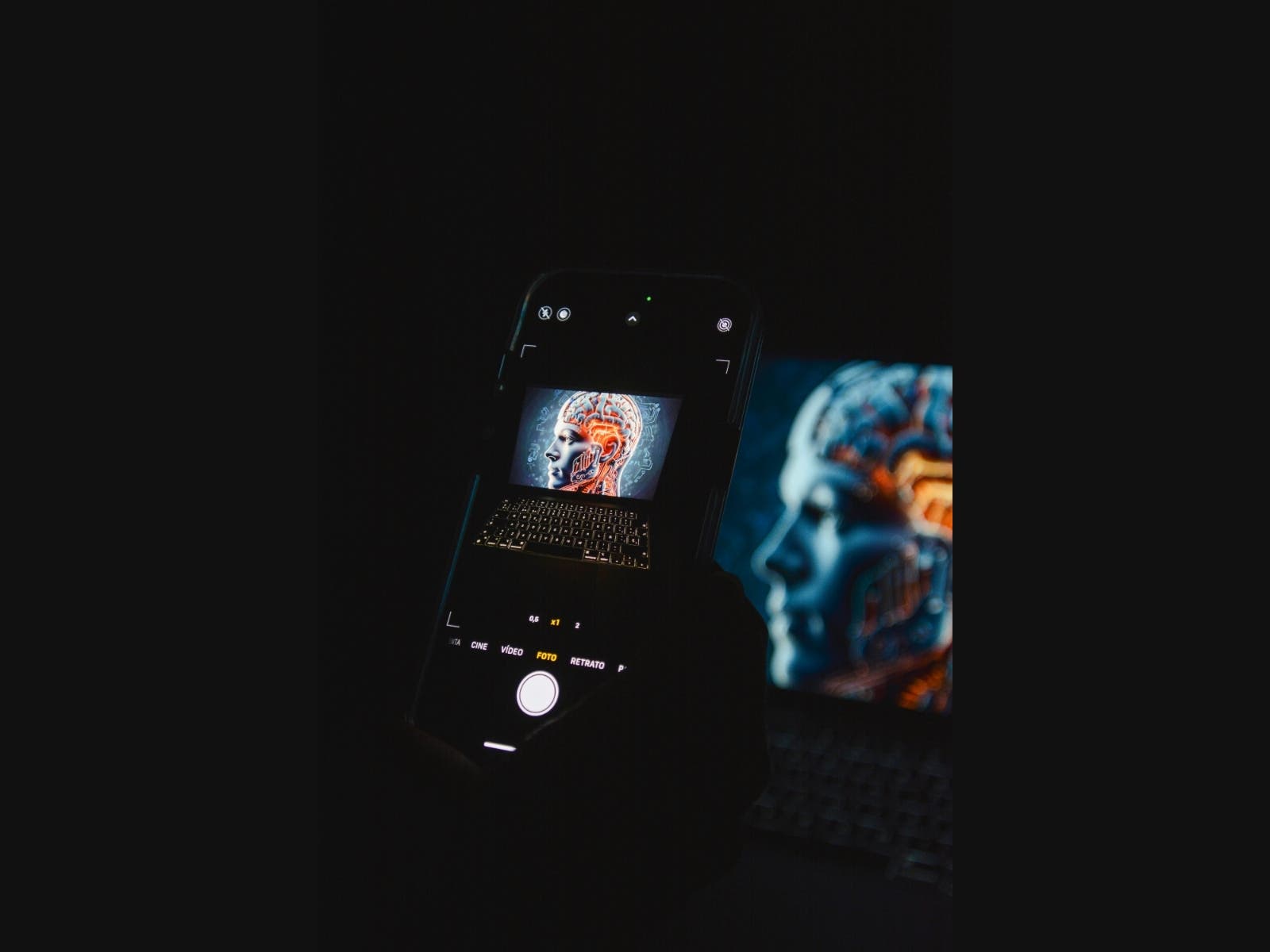
Imagine this: Your employee receives an email from you asking for sensitive client data for a last-minute urgent meeting. The email looks legitimate and your employee does not think twice. However, it was actually AI generated by a hacker.
Here’s the thing with AI, hackers are using their tools to type realistic emails, bypass traditional cybersecurity measures and create deep fakes that’re difficult to spot. In fact, over the last few years, cyberattacks against small businesses have increased over 70% in the last two years since AI tools started accelerating these attacks by automating phishing and malware at large scale.
In 2025, small businesses that’re attacked pay an average of $120,000 to $1.4 million to recover. (PurpleSec).
Find out what's happening in Long Islandfor free with the latest updates from Patch.
AI Powered Phishing Emails
Picture this, your HR team receives an email that looks like its from the sales department. They are claiming they need a wire transfer. Since the language, email signature and tone appear flawlessly accurate, they send the money on its way. However, the money does not go to the sales department because the sales department never sent the email, cybercriminals did.
Find out what's happening in Long Islandfor free with the latest updates from Patch.
How do they do this you ask? Hackers provide AI tools with public information about your company and employees like LinkedIn profiles, company websites and social media posts. AI is then able to craft personalized emails that are incredibly hard to spot.
For a successful phishing email AI can:
- Generate subject lines that match previous emails from your company
- Mimic the language and tone your employees are used to
- Format identical signatures
- Test variations to see which of their emails get the most clicks
- Send hundreds of emails in minutes
- Evade any spam filter or security tool
Deepfake Audio & Video
One of your customer service employees receives a voicemail from a high value client asking for confidential account updates. Everything sounds perfectly legit, but it’s actually an AI generated deepfake voice and your employee gives a hacker access to sensitive information.
Here’s how it works: Hackers gather any publicly available recordings of employees or known clients. This can be puled from webinars, podcasts, interviews or social media posts. Hackers send deepfakes to employees to very realistic channels like video calls, voicemails and internal messaging platforms.
Here’s how AI can assist cybercriminals with deepfakes:
- AI can mimic the tone, pitch, accent and speech patterns of a real person
- Cybercriminals feed AI with publicly available recordings for convincing voice messages
- Deepfakes can be produced very quickly at a large scale so hackers can target multiple employees or organizations
- Even companies with strong firewalls are vulnerable because the employee is tricked into giving access voluntarily
Automated Malware & Password Attacks
An employee clicks a link in an email and within minutes, malware is installed into your computer silently. It begins scanning the network for weak passwords and sensitive files. Before anyone notices, hackers access critical systems.
Let me explain; Malware evades antivirus systems by mimicking normal system activity. It scans the system for anything it can find, system vulnerabilities, credentials or sensitive files. Passwords are stolen to log in to accounts. Sometimes, passwords are stolen from breaches and sometimes, hackers try every possible combination until one works.
Here’s how AI makes malware and password attacks more effective:
- AI allows attackers to predict passwords and brute force them quicker than humans can
- AI powered malware also learns from its environment to avoid any detection
- AI can quickly determine the weakest points of entry to get into your computer fast AI can generate realistic links tailored to the victim so they can deliver malware
AI for Social Engineering
Imagine this, you receive an email that looks like it’s from Microsoft. The email says, “Your account has been locked. Click here to reset your password immediately.” Caught off guard, you click the link and it takes you to a fake login page where hackers steal your credentials.
How does this happen? Social engineering is a cyberattack method relying on manipulation rather than technical exploits. The attacker tries to trick a victim into giving away sensitive information, granting access, etc. These types of attacks include phishing emails, offering something enticing to download which ends up downloading malware and impersonation.
Here’s how AI is advancing these techniques:
- AI chatbots can be used to mimic human conversation
- AI can analyze data and determine which messaging works best to trick people (fear, urgency, trust or reward
- AI bots can engage with employees on social media to gain trust
- AI translation makes it easy for hackers to create scams in all different languages
What Does All of This Mean?
AI has changed the way cyber criminals operate. This gives hackers a major advantage over your business. It is not a distant threat, it’s already here. Deepfakes, phishing emails, and automated attacks are evolving too quickly for traditional defenses to keep up. With the right strategy, businesses can stay ahead of attackers. Small to medium sized businesses can seek help from a Managed Service Provider and start protecting themselves from evolved cyber threats today.