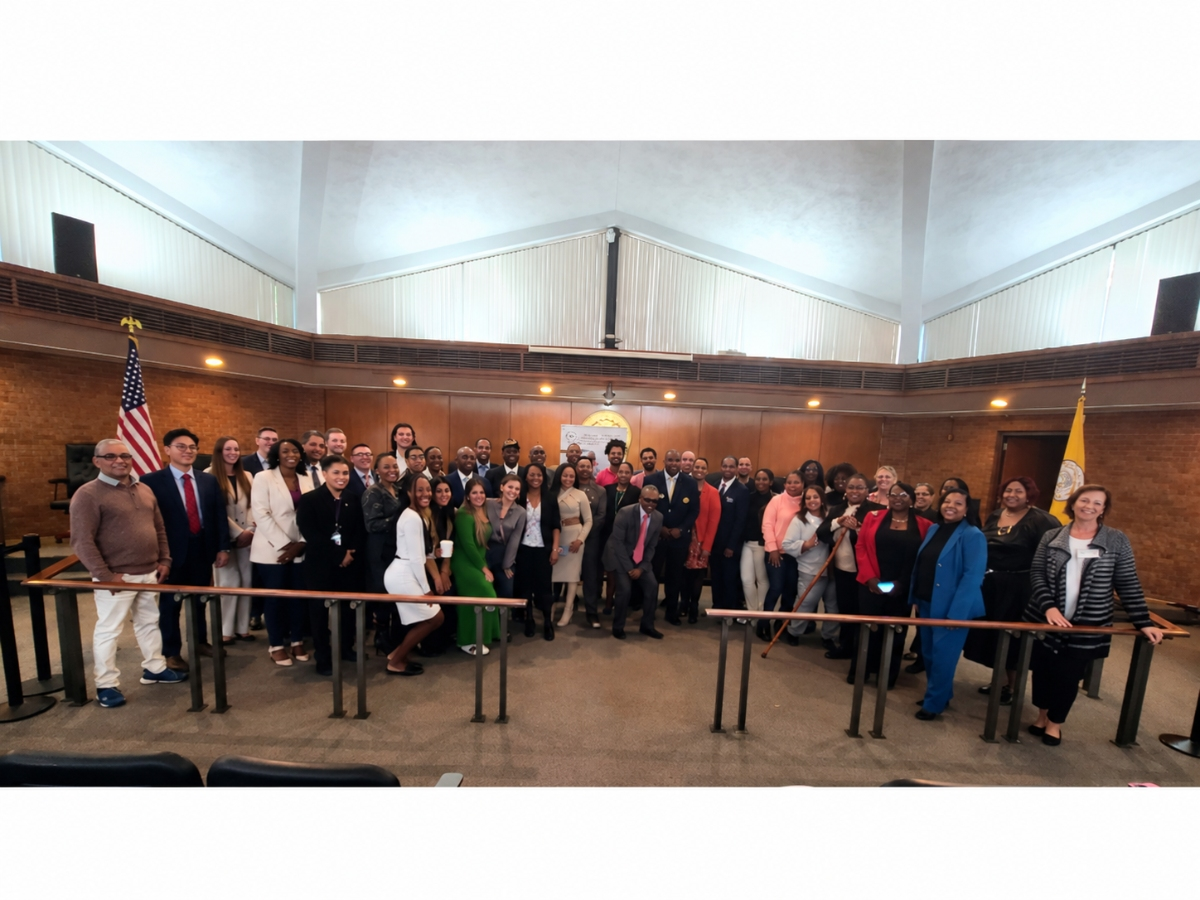
Long Islanders want to learn about GMOs, and not just the basics. A large group of residents came to the Cinema Arts Centre in Huntington, N.Y. last month to watch the documentary Food Evolution, directed by Scott Hamilton Kennedy and narrated by science celebrity Neil deGrasse Tyson, and have their questions answered by experts in the field. To help communicate the science regarding GMOs to the broader public, Science Advocacy of Long Island (SALI) joined with Cold Spring Harbor Laboratory to host a special screening of this documentary followed by a panel discussion with four renowned plant biologists: Dr. David Jackson, Dr. Ullas Pedmale, Dr. Zachary Lippman, and Dr. Doreen Ware.
Jon Stewart once referred to GMO as "the three most terrifying letters in the English language.” Genetically modified organisms, or GMOs, have become an extremely heated and polarized issue over the last 20 years. But what exactly is a GMO? When people refer to GMOs, they are typically speaking about crops developed through a specific type of biotechnology knows as genetic engineering (GE). Biologists argue that GE is just a more precise method of plant breeding. It allows plant breeders to take a desirable trait found in nature, like disease resistance, and transfer it from one plant or organism to another.
Humans have been modifying plant genes since the advent of modern farming more than 10,000 years ago. There are multiple plant breeding techniques that farmers have utilized over the years to create new crop varieties with desirable genetic traits (for example, resistance to pests or diseases). These techniques include selective breeding, mutagenesis (the process by which the genetic information of an organism is changed, resulting in a mutation), and genetic engineering. GE differs from other plant-breeding techniques because it allows for more specific changes to be made to known plant genes.
Find out what's happening in Long Islandfor free with the latest updates from Patch.
There are currently 10 commercially available GMO crops in the U.S. - including corn and soybean, which are widely used in processed foods. Common modifications include herbicide tolerance, insect resistance (such as “Bt crops”, named for Bacillus thuringiensis (Bt), a bacteria that naturally produces a protein that is toxic to many insects), resistance to environmental stress, disease resistance, and consumer or producer enhanced (such as enhanced nutritional content or traits engineered to reduce food waste, such as the Arctic apple, which eliminates surface browning when the produce is cut or handled). However, just like when conventional pesticides and herbicides are overused, the overuse of certain GE crops has allowed weeds and insects to adapt to the features of these modified crops and become resistant, which is an important consideration for all types of farming practices- but not an issue specific to GMOs.
One of the most fiercely debated questions is, “Are GMOs safe to consume?” The overwhelming scientific consensus is that they are. However, despite this, the public perception is vastly different. A 2015 Pew Center poll found that only 37 percent of the public thought GE foods were safe to consume, compared to 88 percent of scientists. This a greater gap than the gap on the issues of human-caused climate change, evolution, and even childhood vaccinations.
Find out what's happening in Long Islandfor free with the latest updates from Patch.
In 2016, the National Academies of Science, Engineering and Medicine issued a comprehensive 20-year report on genetically engineered food and crops in which “the study committee found no substantiated evidence of a difference in risks to human health between currently commercialized genetically engineered (GE) crops and conventionally bred crops, nor did it find conclusive cause-and-effect evidence of environmental problems from the GE crops.” In the last two decades of consuming GE crops, there have been no substantiated adverse effects reported on human health in the peer-reviewed literature. The World Health Organization, another independent, non-corporate organization, also concludes that all of the GMO products available on the market are safe for people to eat.
The film Food Evolution, which is currently available to stream on Hulu (and will soon be available on Amazon Prime), examines the science behind GMOs and delves right into the polarizing politics surrounding the issue, including societal anger at the apparent lying and greed by corporations (and distrust of Monsanto, in particular, as one of the major producers of DDT and Agent Orange). The viewer was given a glimpse into agricultural fields around the world, and heard from scientists, science communicators, and others regarding their views on GE technology.
The documentary highlights the success of the GMO Rainbow papaya in Hawaii, which was developed to be resistant to Papaya ringspot virus (PRSV), a devastating disease that almost crippled the industry. In the Q&A session after the showing, Dr. Ware described how biotechnology, and a better understanding of biology in general, “allows us to be more proactive” against disease challenges such as PRSV. The combination of biotechnology and a deeper biological understanding of AIDS and Hepatitis B, for example, was key in the development of successful treatments of those diseases.
Dr. Jackson noted that GMO plants are safe for other organisms as well as humans. He explained that farmers without Bt crops spray insecticides that not only kill the insects that eat the plant pollen, but all other insects as well (including bees, an important pollinator on the brink of collapse). He pointed out that farmers- even organic farmers- spray insecticides. Additionally, the panelists all stressed that current biotechnology techniques are far more efficient and precise than traditional breeding practices, since they can target specific and known genes. Traditional breeding techniques generate mutations at random, yet are broadly accepted by the public as safe.
Dr. Jackson and Dr. Ware also described how rigorous the regulatory process is to gain approval for a GMO crop in the U.S.- in some cases it’s tougher than for a pharmaceutical company to bring a new drug to the market, and includes many years of safety and environmental testing. This therefore restricts the advances in the technology to those who have enough economic investment to bring it forward, which is currently limited to large corporations in developed countries. However, much like drug patents, a GMO patent is limited, and older varieties are already off patent- some of which can be freely obtained from the United States Department of Agriculture (USDA). This means that farmers who own small farms can have access to older seed varieties free of charge.
Although GMO crops are available in the US, some states and counties have banned them or required them to be labeled. While this may seem like a “better safe than sorry” approach to some, the film emphasized that regulatory decisions made in the developed world can have tremendous global implications. For example, it showed that moves to ban GMO crops in the US and elsewhere has led to difficulties for Ugandan farmers in gaining access to GMO bananas that can combat decimation by banana bacterial wilt (BBW). Without access to disease-resistant banana crops, these farmers will not be able to support their families.
Lastly, but importantly, the panelists discussed how critical education is. The most important thing scientists can do, Dr. Ware stressed, is to educate others so that people can make informed decisions, in addition to educating policy-makers so that they too can make educated decisions. When it comes to education, Dr. Ware summed it up best: “You can never start too young and you are never too old to learn.”
_______________________
Many thanks to Cassandra Greco and Nadia Jaber for their critical input on this article.
Miriam Fein is the reviews editor at Genes & Development (Cold Spring Harbor Laboratory Press). She completed her PhD in Genetics from Stony Brook University at Cold Spring Harbor Laboratory.